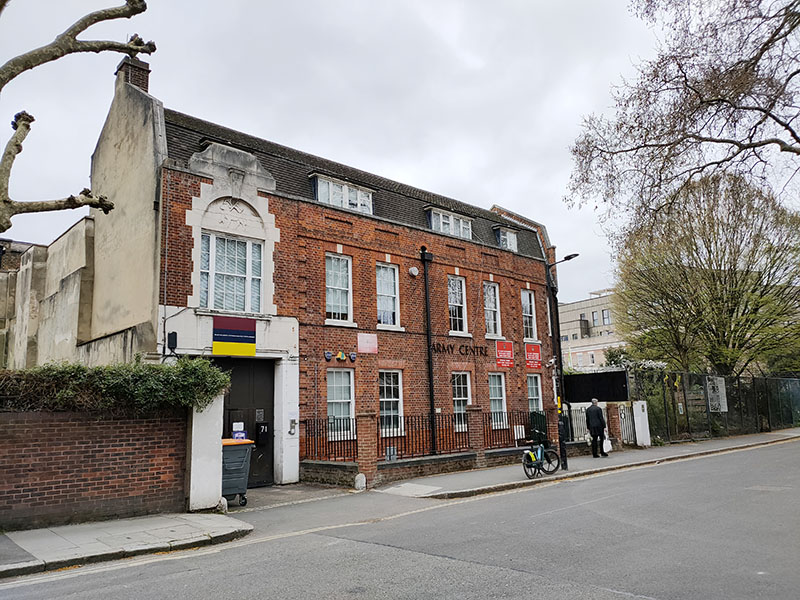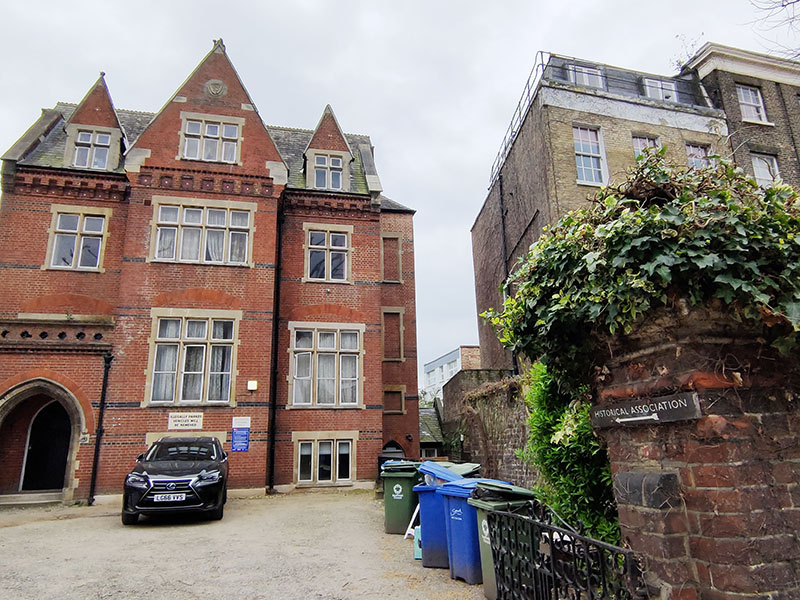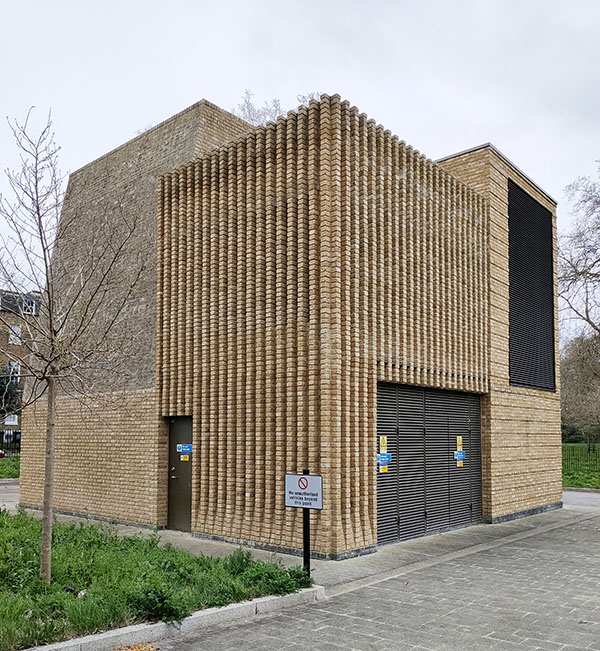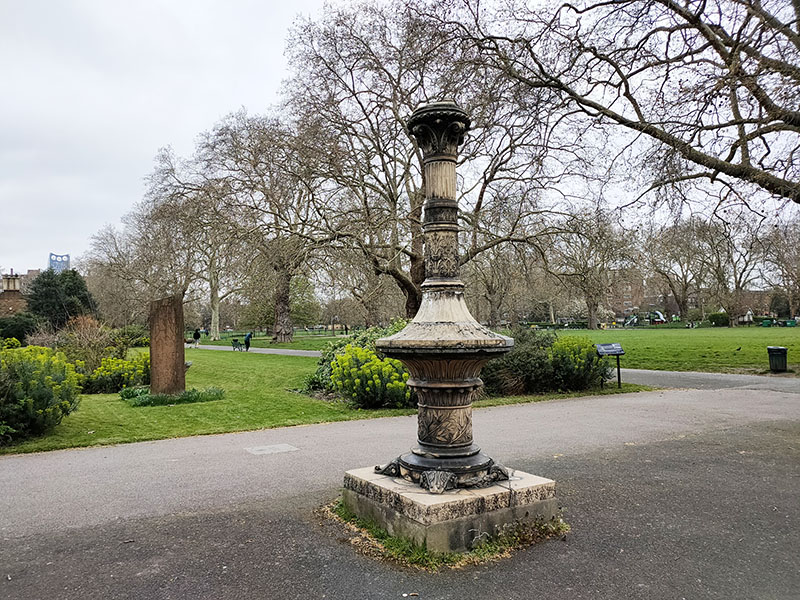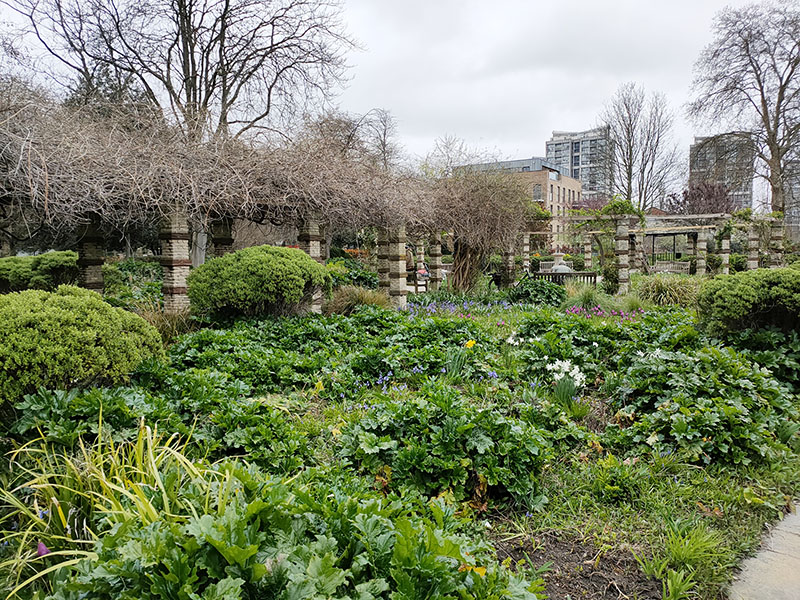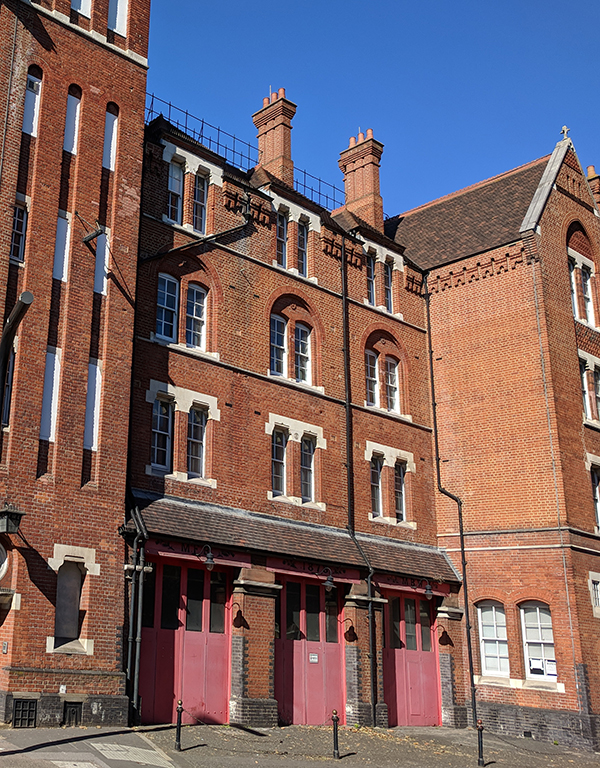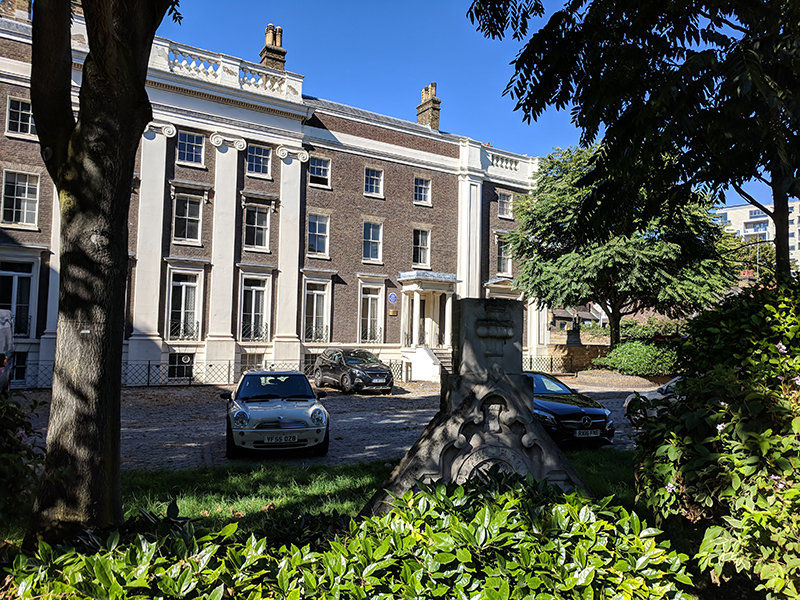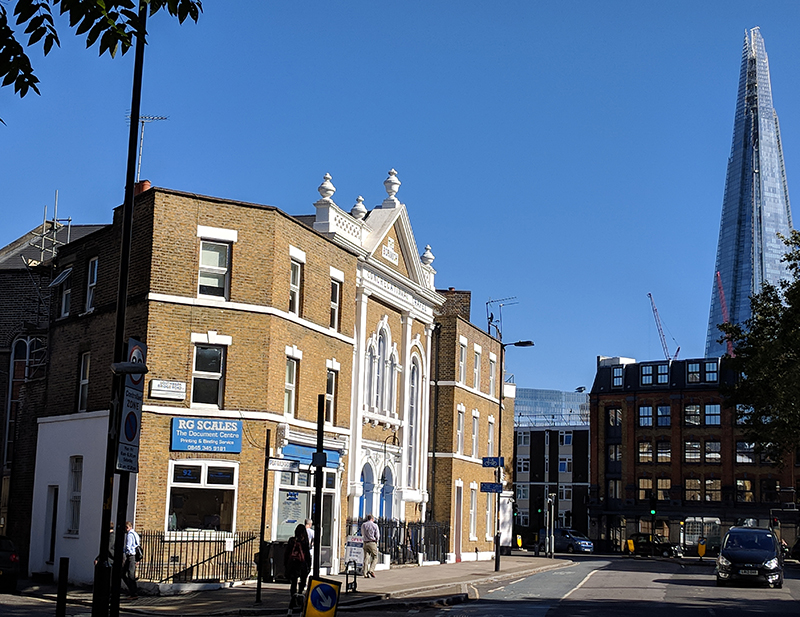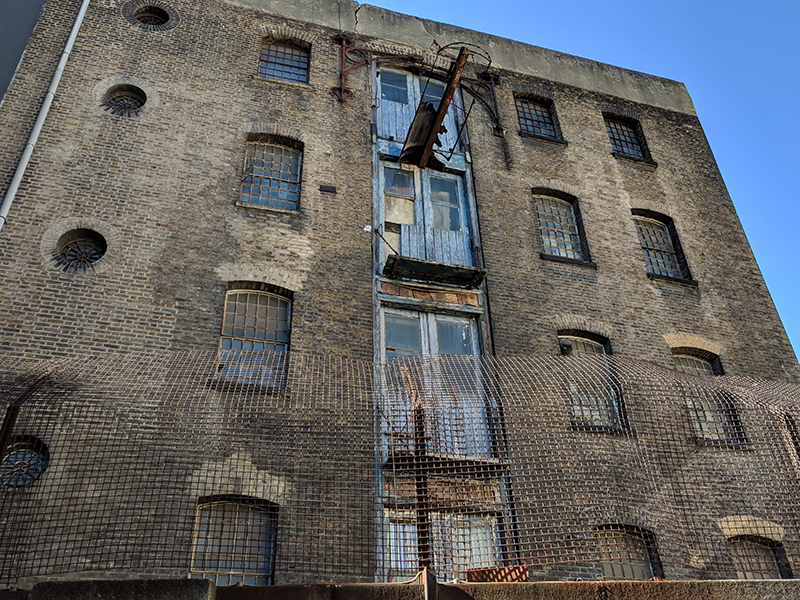
Day 80 – Elephant & Castle – New Kent Road

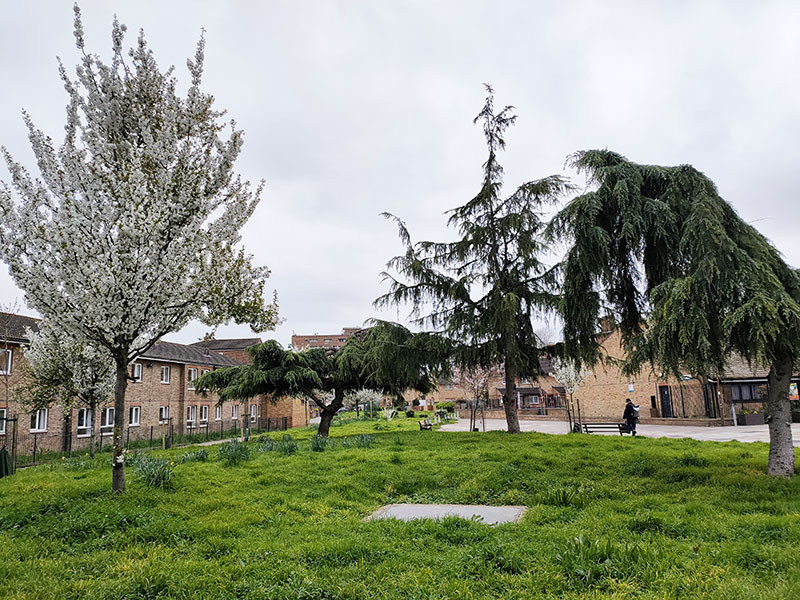
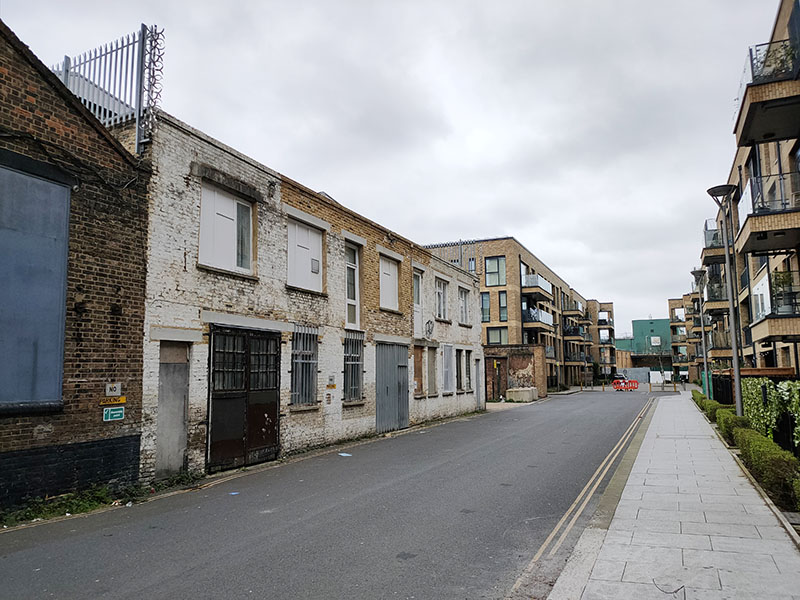
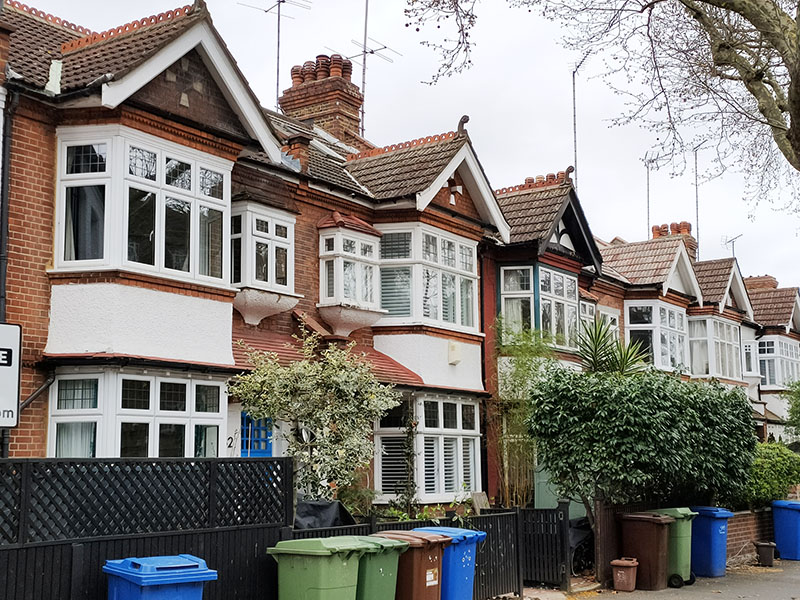
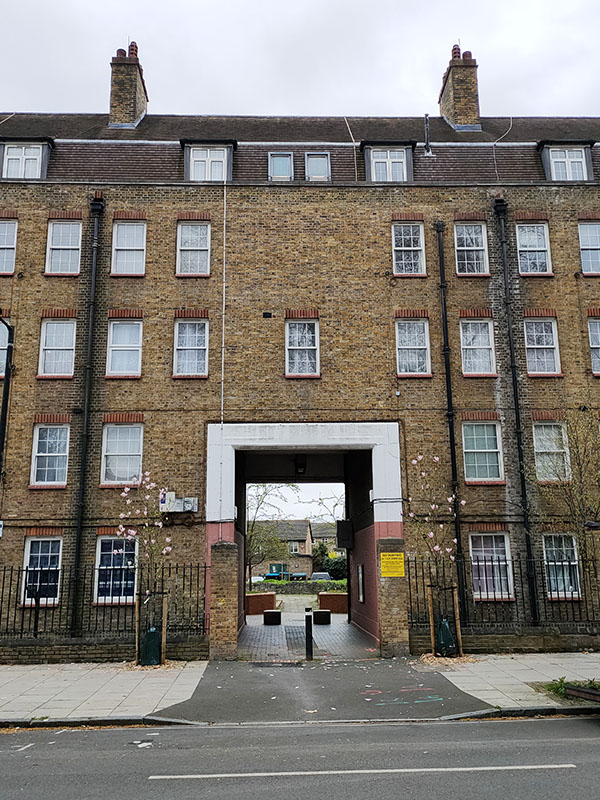
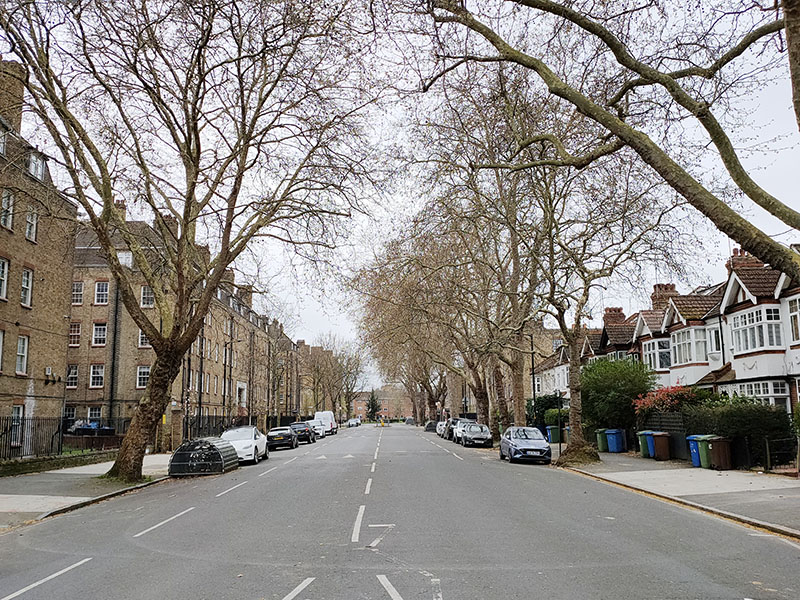
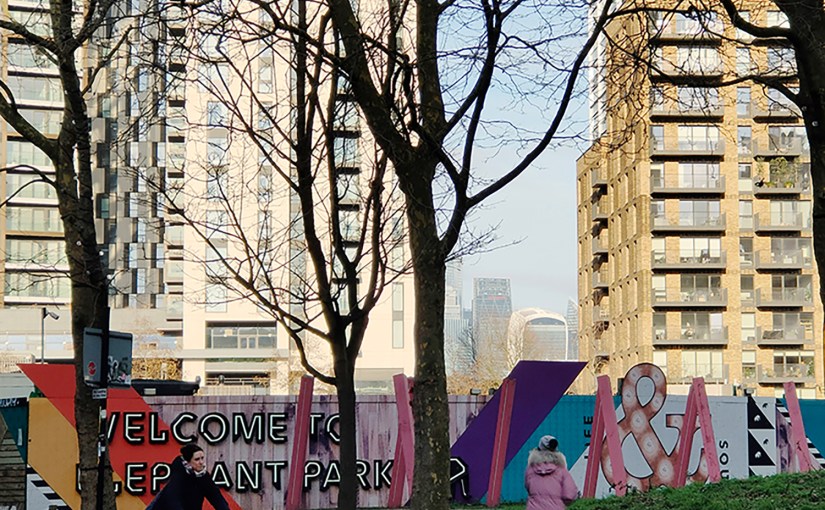
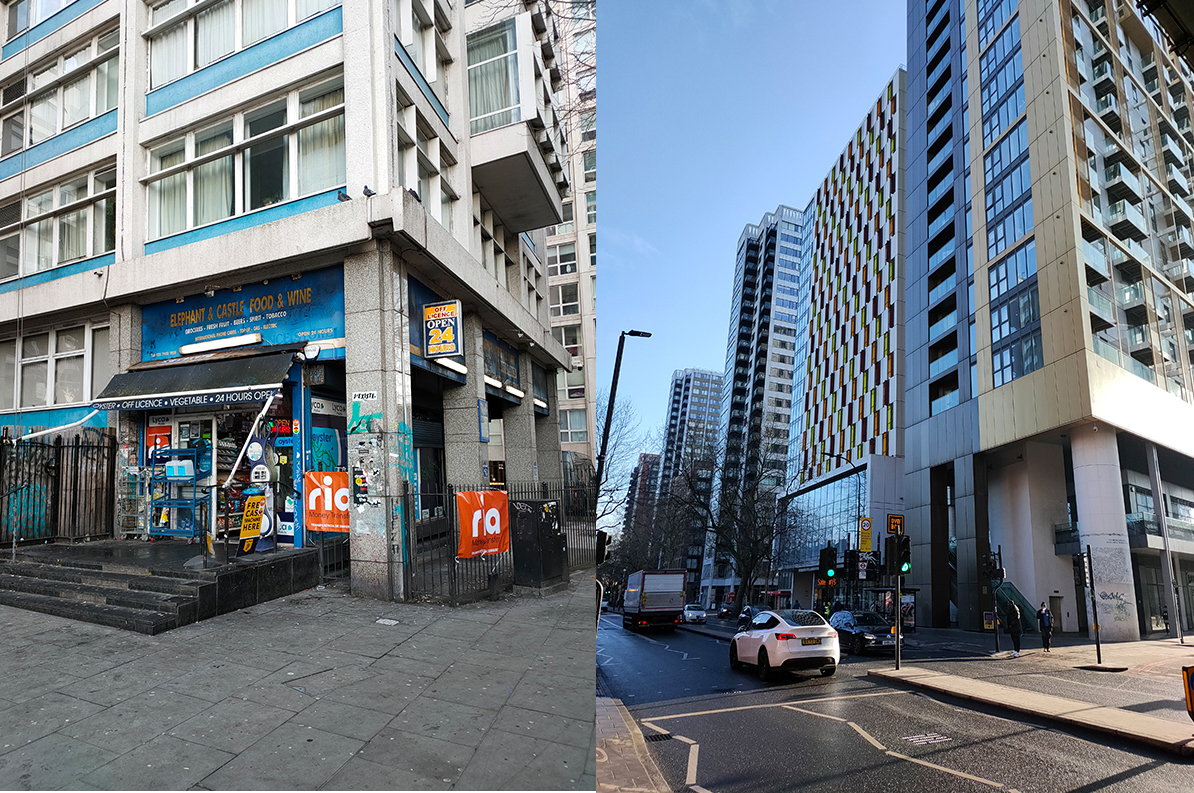
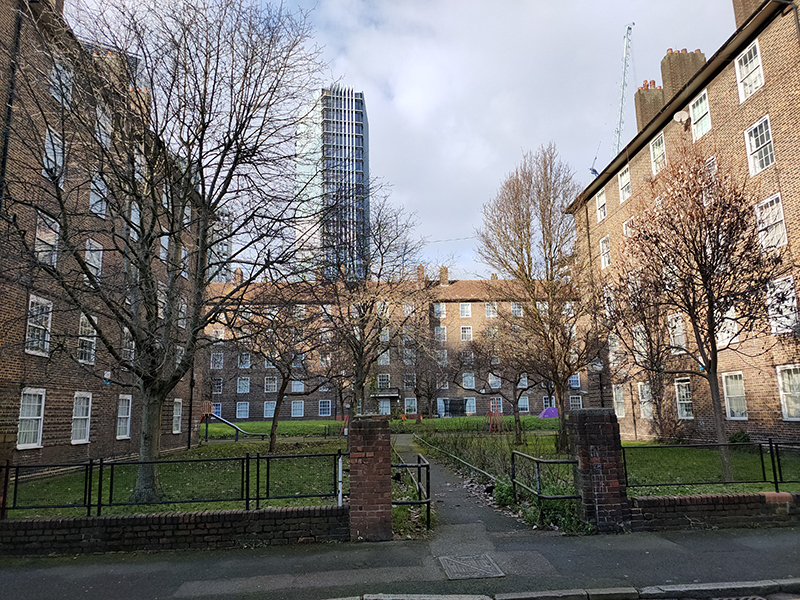
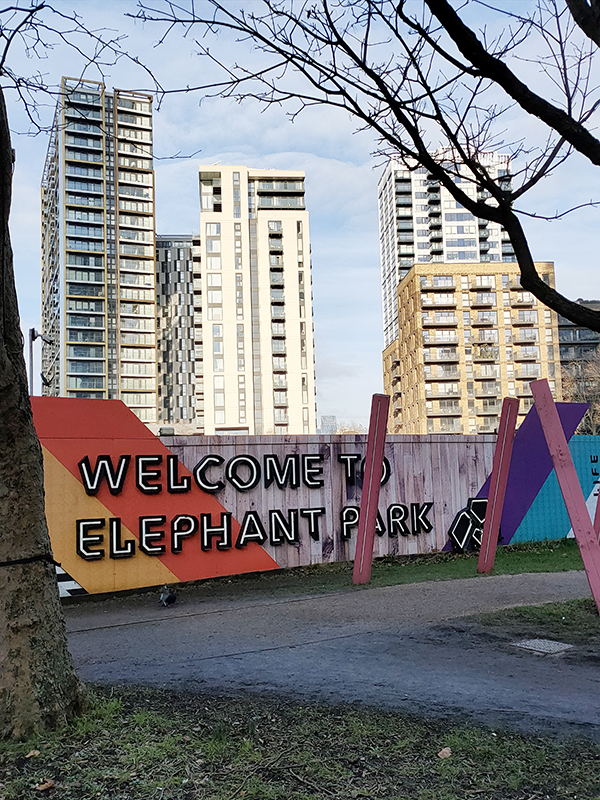
Today’s excursion takes us on a tour of the very differing areas on either side of the New Kent Road and as such is one for both fans of pre- and post-war public housing developments and fans of tearing down the latter. This is because the area to the immediate east of Elephant & Castle and south of new Kent Road has been the site of arguably the largest regeneration project in the capital this century. In the 2010’s the massive and infamous Heygate Estate, built in 1974, along with other adjacent post-war social housing was demolished and the site has subsequently been redeveloped as Elephant Park, a mix of new private and social high-rise housing including, what is claimed to be “the largest new green space to be created in London for 70 years”. More details on that later.

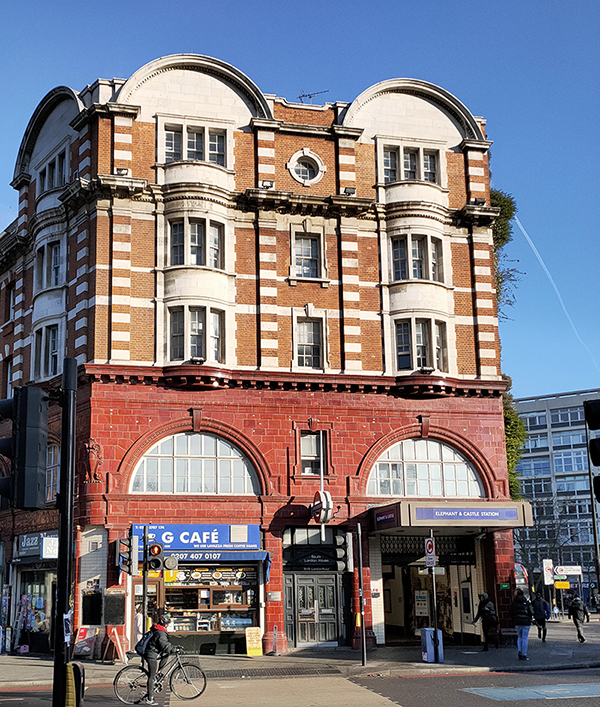
We’re starting out today at the Bakerloo Line entrance/exit of Elephant & Castle Tube Station. This dates from 1906 and is in the classic Leslie Green style with façade of oxblood red tiles. The Northern Line station to the south was originally built sixteen years earlier but that has been rebuilt several times over the years whereas the Bakerloo Line building remains pretty much as when constructed. A girl, named Mary Ashfield Eleanor Hammond, born at the station on 13 May 1924 was the first baby to be born on the Underground network. Her second name, Ashfield, was from Lord Ashfield, chairman of the railway, who agreed to be the baby’s godfather, but also said that “it would not do to encourage this sort of thing as I am a busy man”.

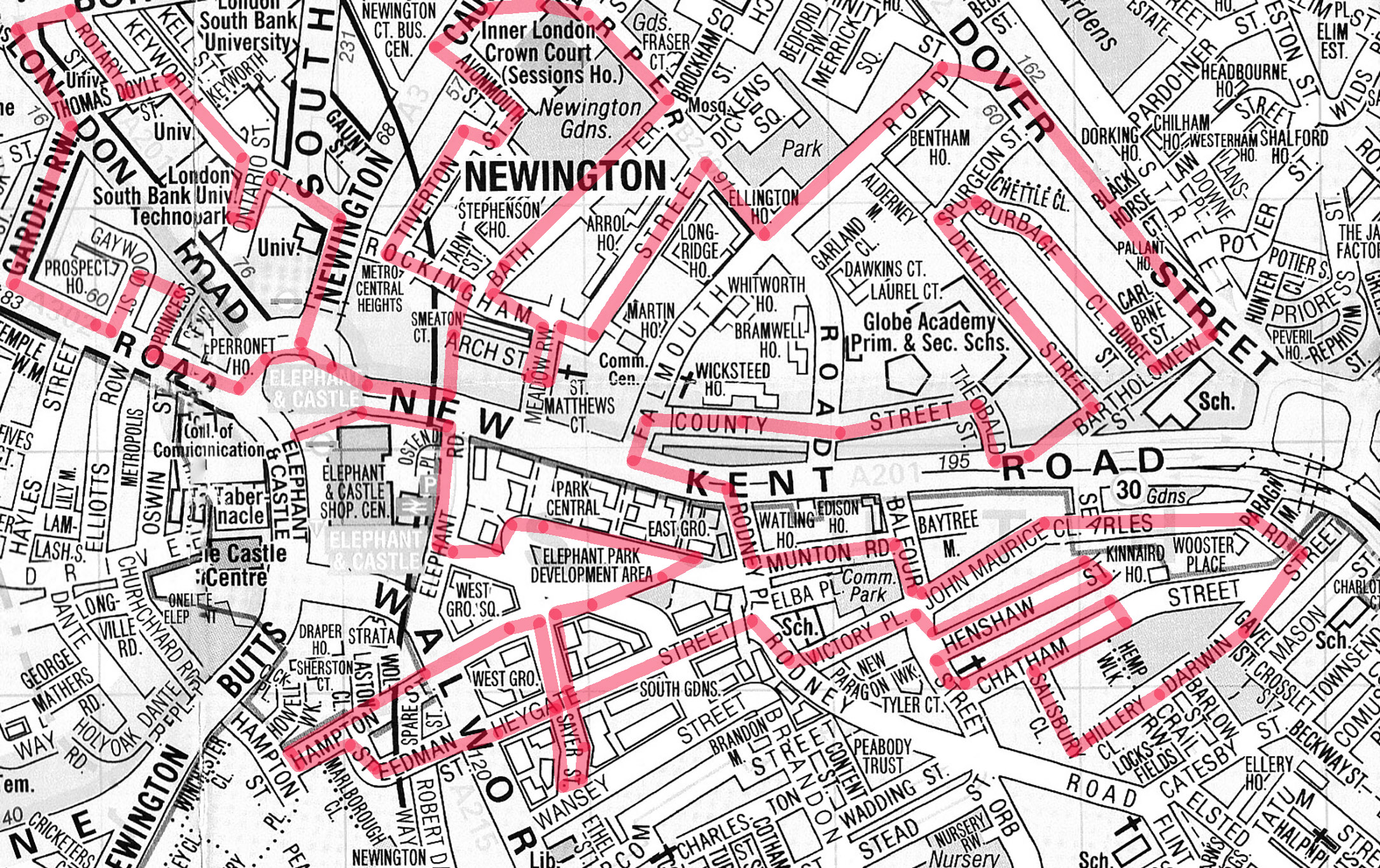
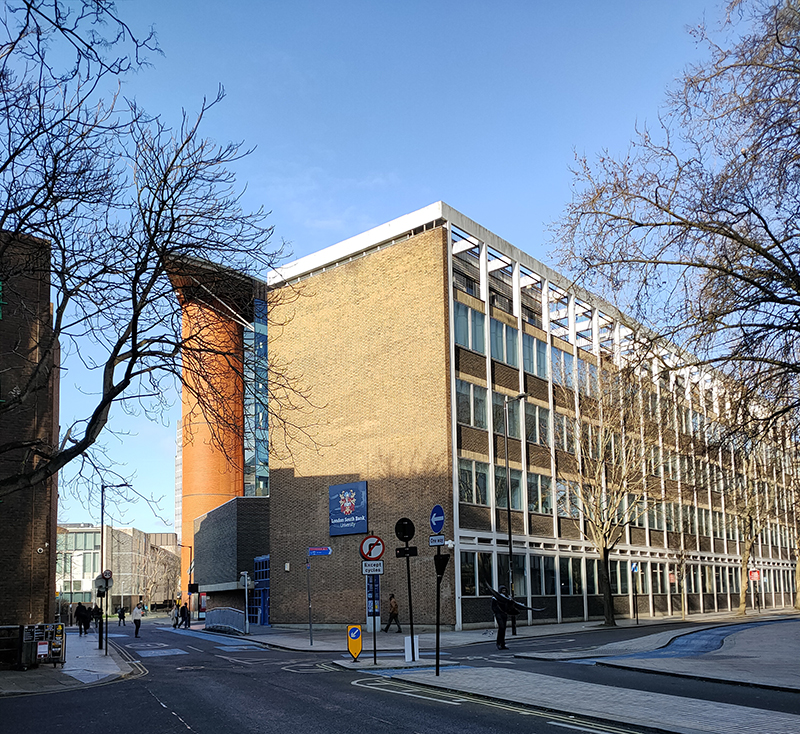
We follow the roundabout to Newington Causeway and then complete an outstanding section to the north-west of E&C that includes most of the London South Bank University (including its Technopark).  Founded in 1892 as the Borough Polytechnic Institute, LSBU attained university status in the year of its centenary; 70% of UK students are Londoners and 80% of the total student body are classified as mature (over the age of 21 at entry). Circumventing the campus takes us via Keyworth Street, Ontario Street, Thomas Doyle Street, Rotary Street, Garden Row, Gaywood Street and Princess Street.

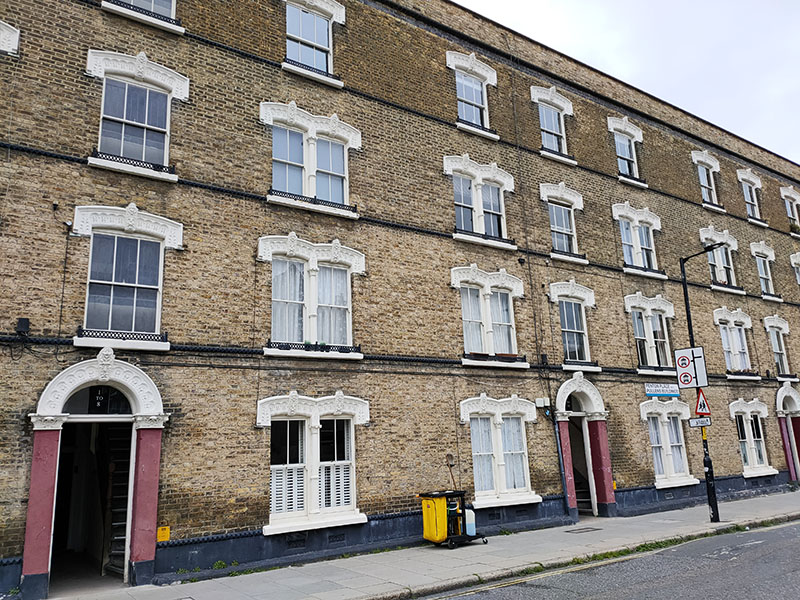
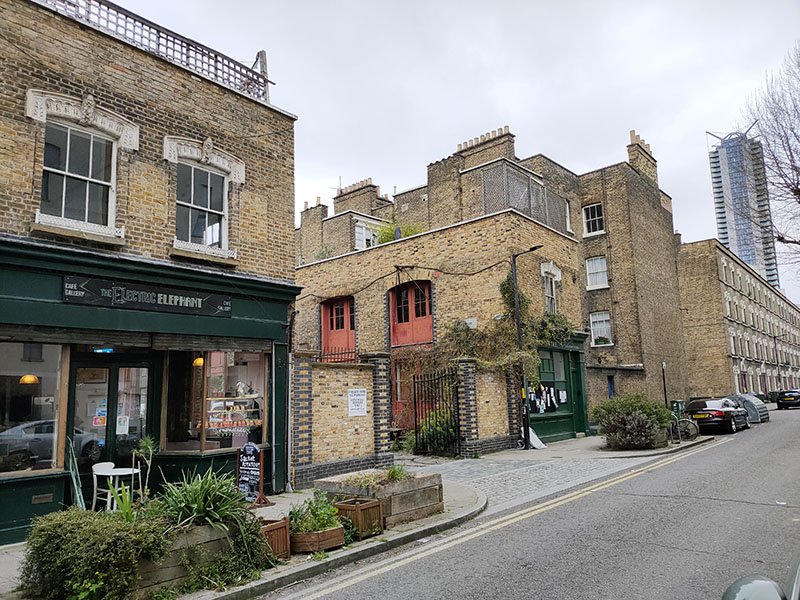
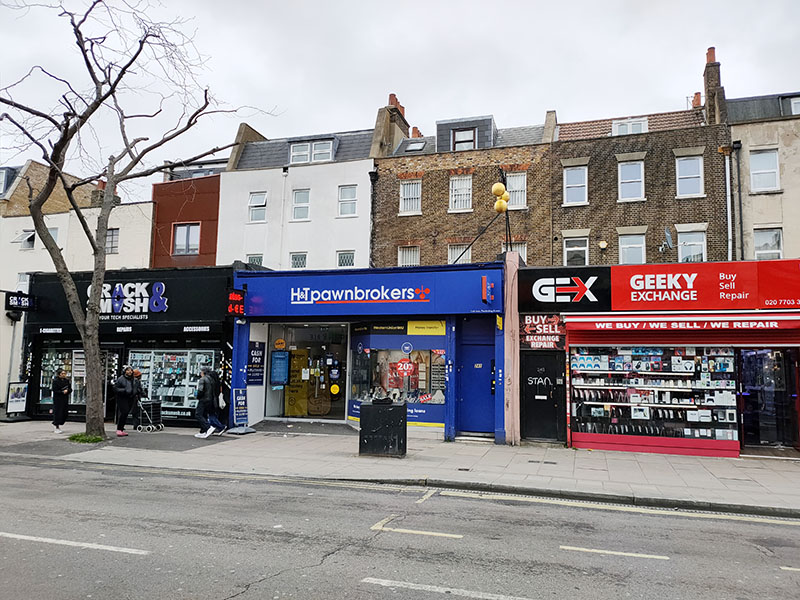
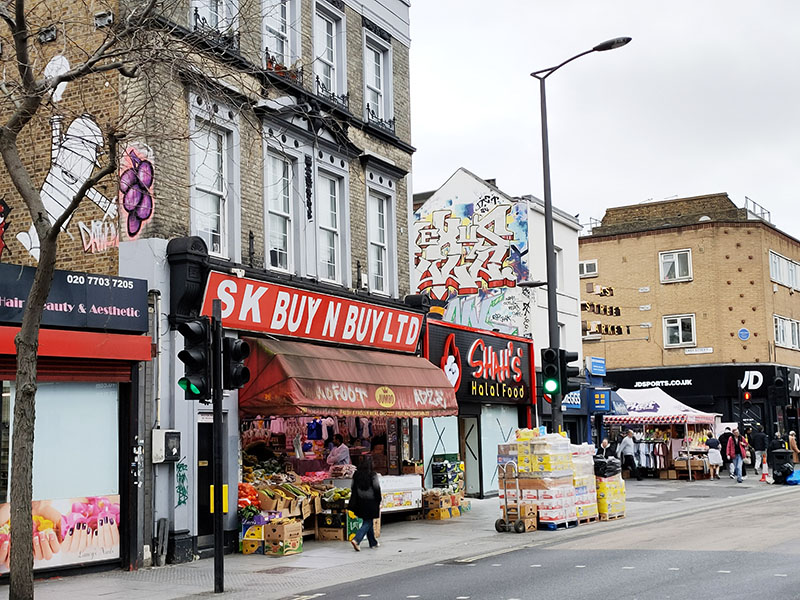
Arriving back the roundabout we head round on to the New Kent Road (NKR)where from the very off the new division between north and south of the road is starkly apparent.

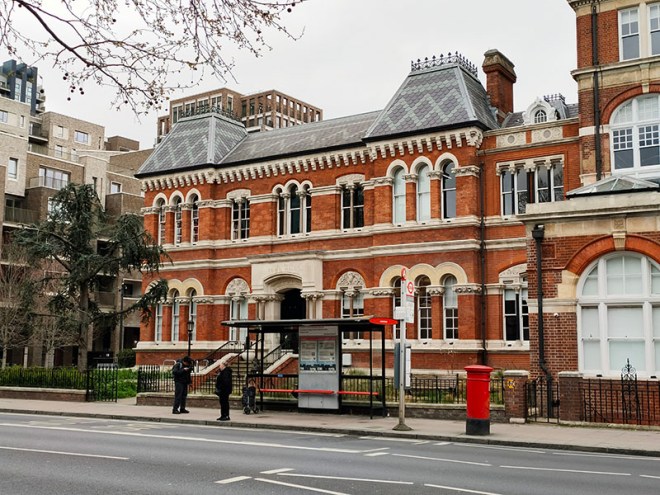
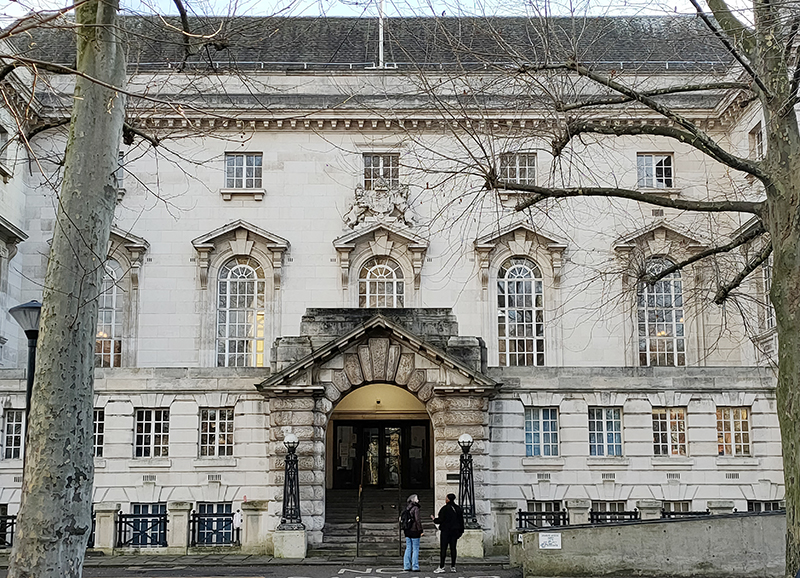
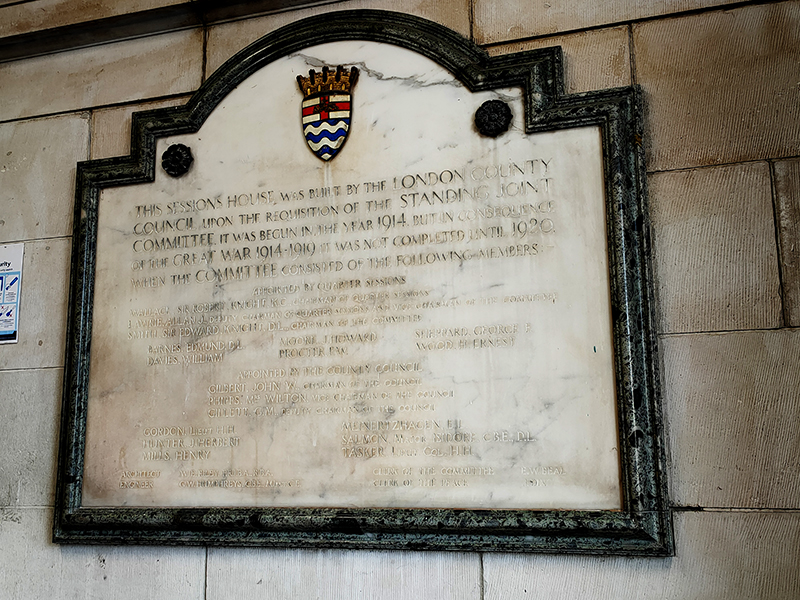
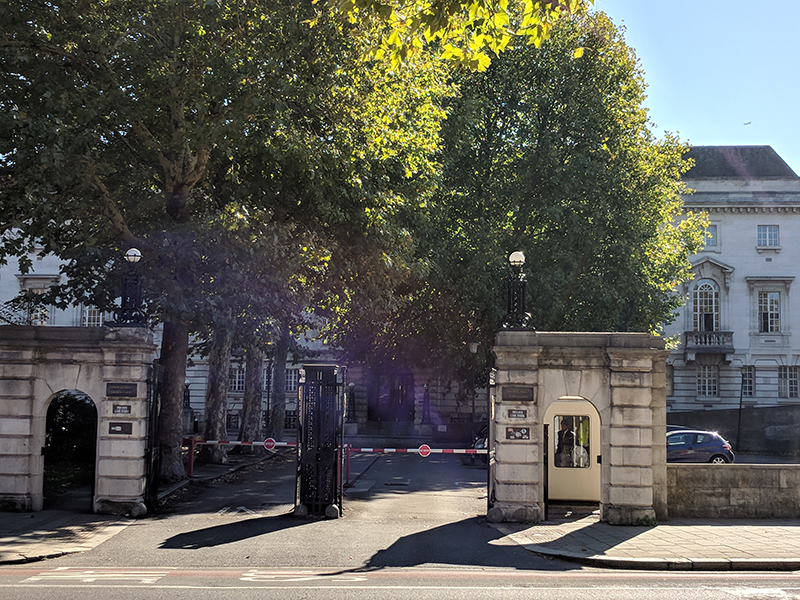
We soon pass the beneath the southbound Thameslink rail line and immediately turn left down Arch Street which runs down onto Rockingham Street from where Tiverton Street and Avonmouth Street take us back onto Newington Causeway and Sessions House, the home of the Inner London Crown Court (2.5* on Google). A Surrey County Sessions House originally stood on this site from 1791, a sessions house historically being a courthouse where criminal trials (sessions) were held four times a year on quarter days. By the mid-19th century however it was sitting regularly and operating as the main County Court. Following local government reorganisation in 1889 the Sessions House was no longer within the bounds of Surrey and fell under the aegis of the London County Council which decided to rebuild and expand the facility. The current building was designed by the London county architect, W. E. Riley, in the classical style. Work began in 1914 but due to the First World War wasn’t completed until 1920. Following the Courts Act of 1971 the building was designated as a Crown Court venue which meant it could hear cases relating to more serious criminality.

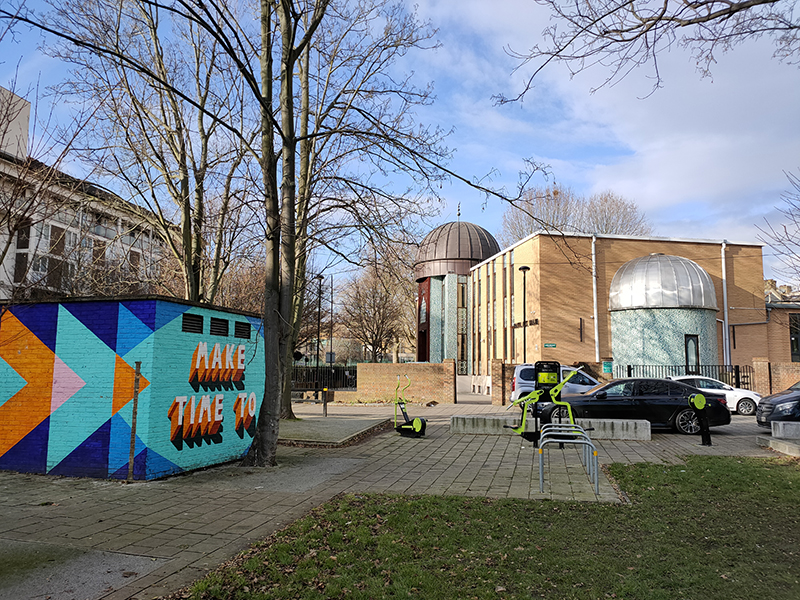
Beyond the court we turn right onto Harper Road and proceed as far as the Baitul Aziz Mosque and Islamic Cultural Centre.

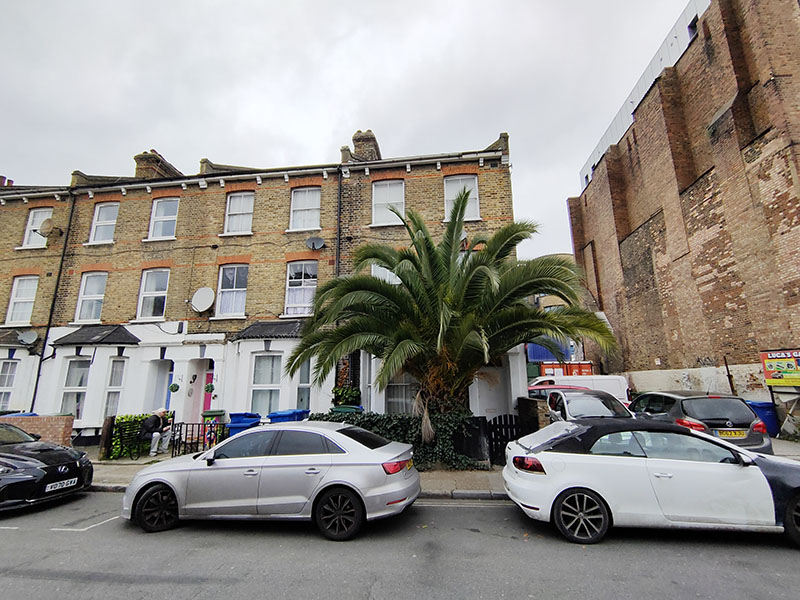
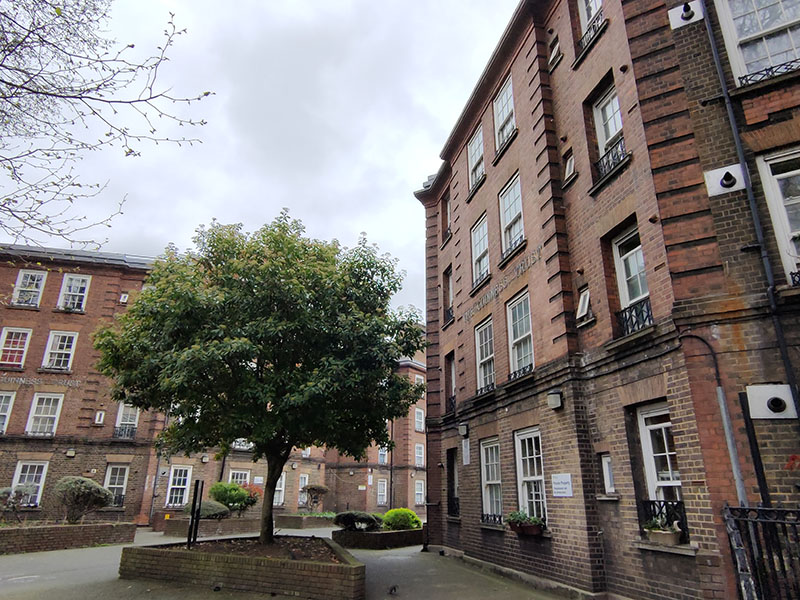
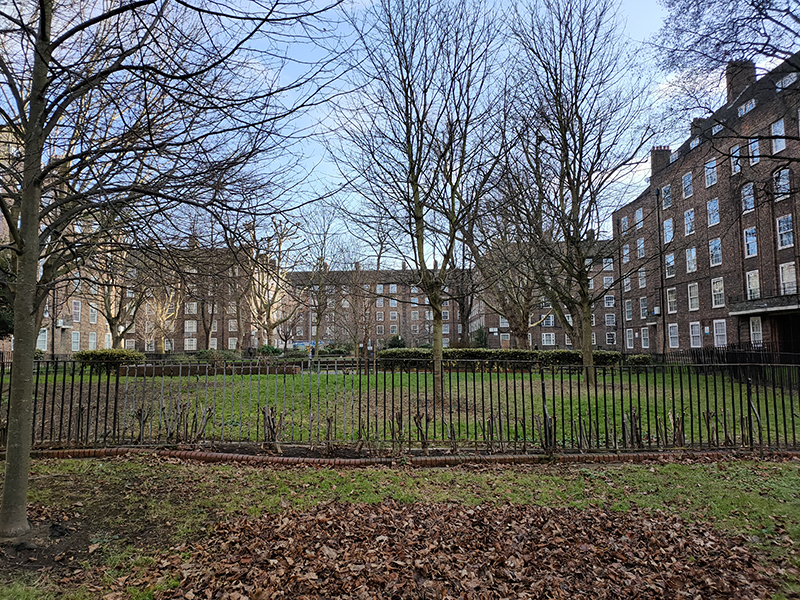
Then we head up Bath Terrace back to Rockingham Street and follow this, via Meadow Row, as it loops round to the north to return us to Harper Road. This part of the route takes us through the heart of the enormous 1930’s built Rockingham Estate. The following is an extract from one of the contributions to the BBC’s archive of WW2 reminiscences. In 1936 my mother and father moved to a newly built London County Council flat on the Rockingham Estate at the Elephant & Castle. We were allocated number 34 Banks House, which was at the foot of the stairs leading to four further levels. Forty-five flats in all. These were luxurious to what most people had been used to at the time – three bedrooms, a living room, kitchen, bath and separate lavatory. The blocks were surrounded by lawns and shrubbery. Since 2019 both Southwark Council and the Mayor’s Office have funded initiatives aimed at tackling crime and anti-social behaviour on the Estate and based on this visit I would say it looks in a reasonable state considering it’s getting on for 90 years old.

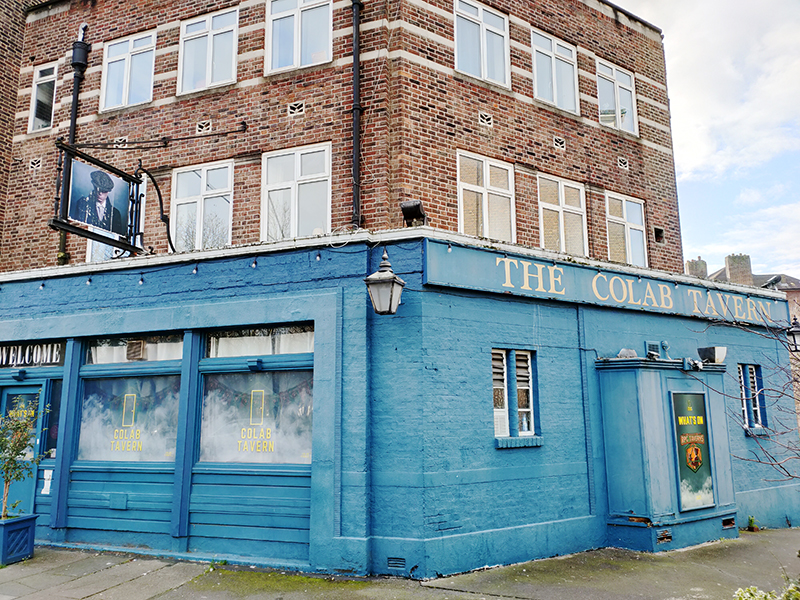
On the corner of Rockingham Street and Harper Road stands the Colab Tavern which (and this is the first of few misconceptions today) at first sight, based partly on the picture of Tommy Shelby on the sign, seems to be a place to steer clear of. Turns out though that this is one of the venues run by an eponymous Theatre Company that specialises in immersive and interactive theatre. (Having said that you might still want to give it a wide berth given that the company’s current production is a drag panto parody of Die Hard called Dead Hard).

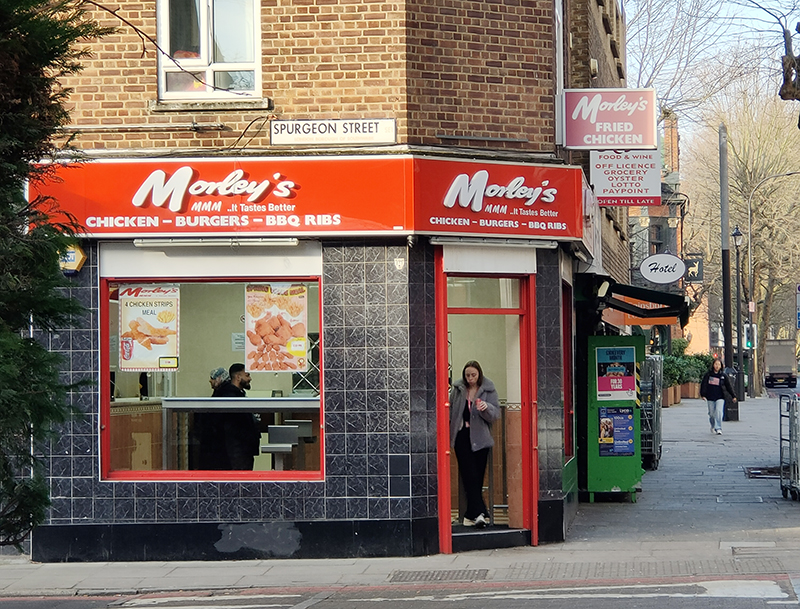
We turn left off Harper Road onto Falmouth Road which takes us down to Dover Street (the start of the A2) where we swing right towards the Bricklayers Arms roundabout. On the corner with Spurgeon Street is a rare example of a chicken shop that doesn’t try to trade under a name that has a tenuous association with KFC. I’ve also included this as a facile contrast and compare to the eating establishments that we’ll encounter on the other side of NKR.

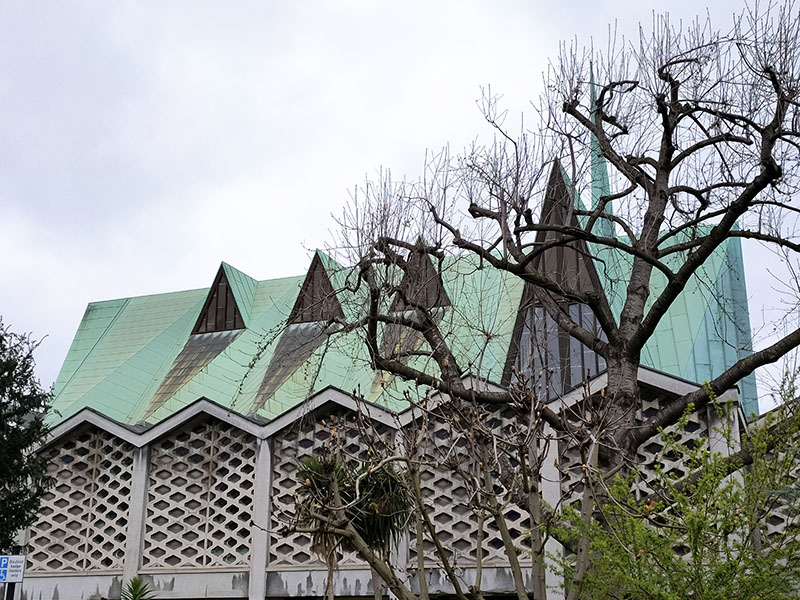
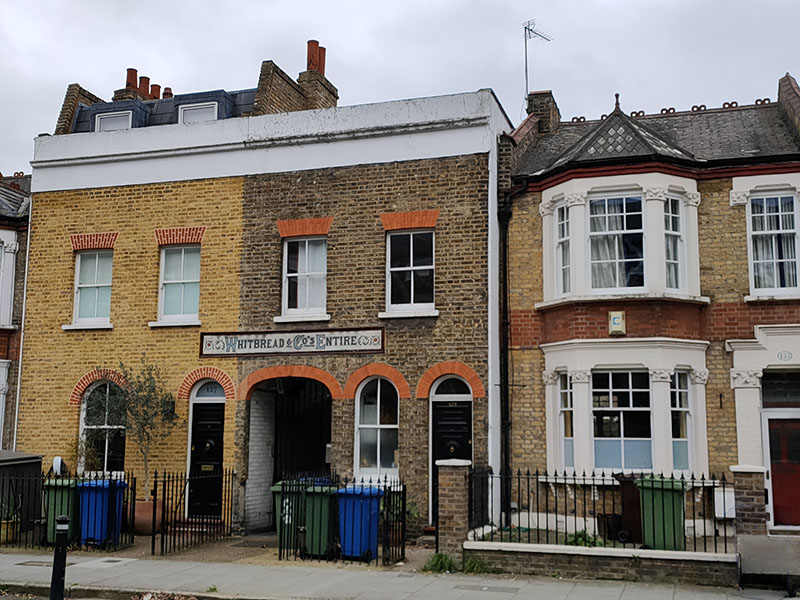
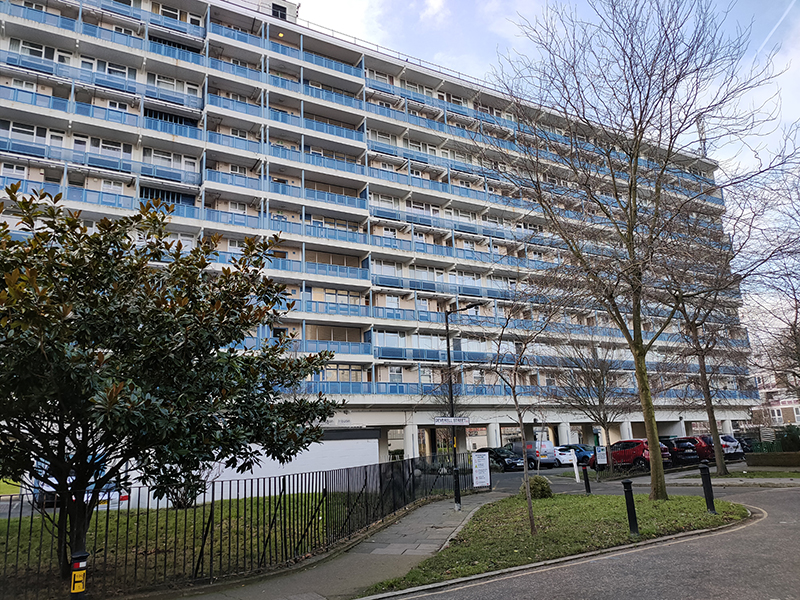
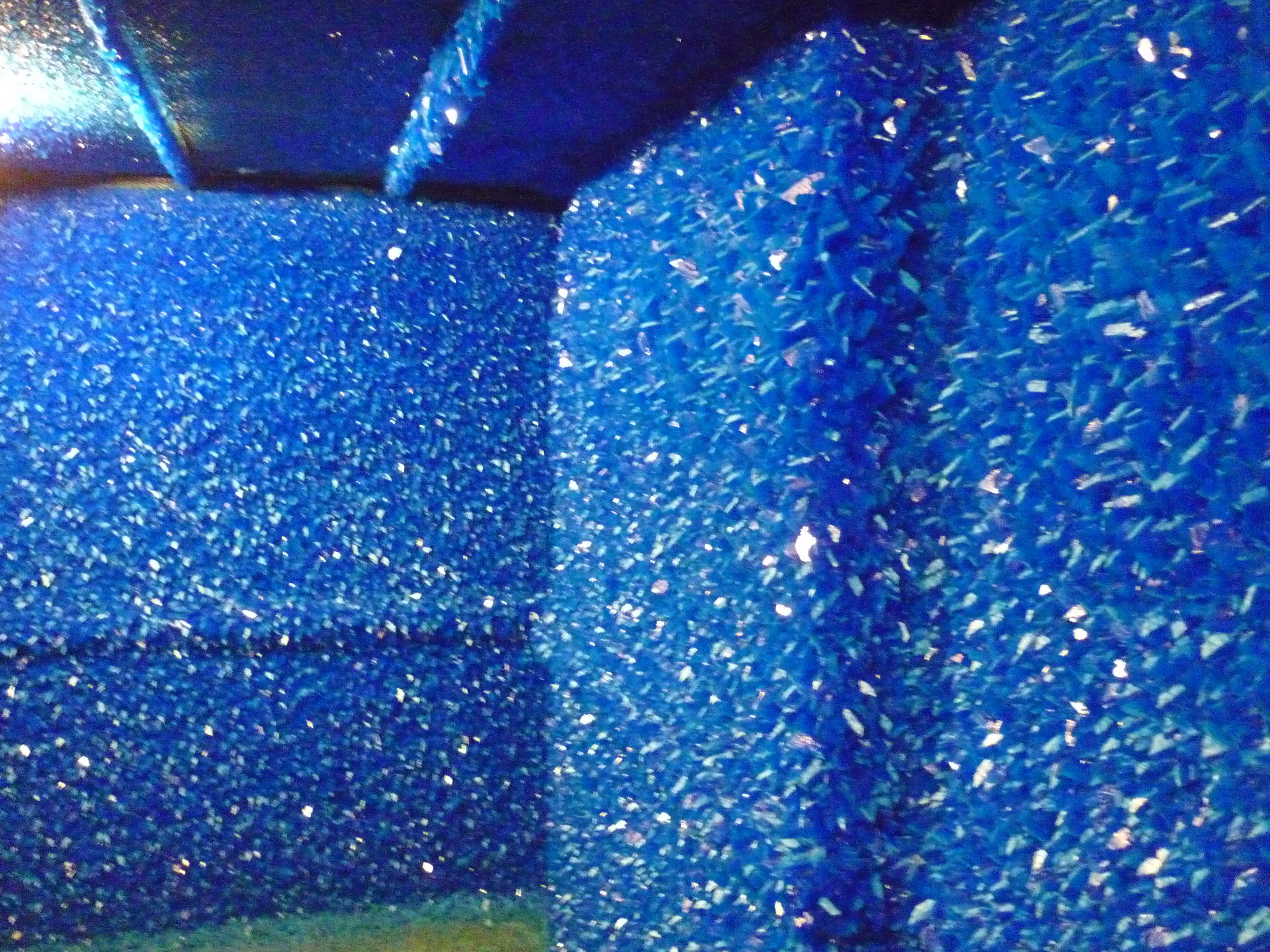
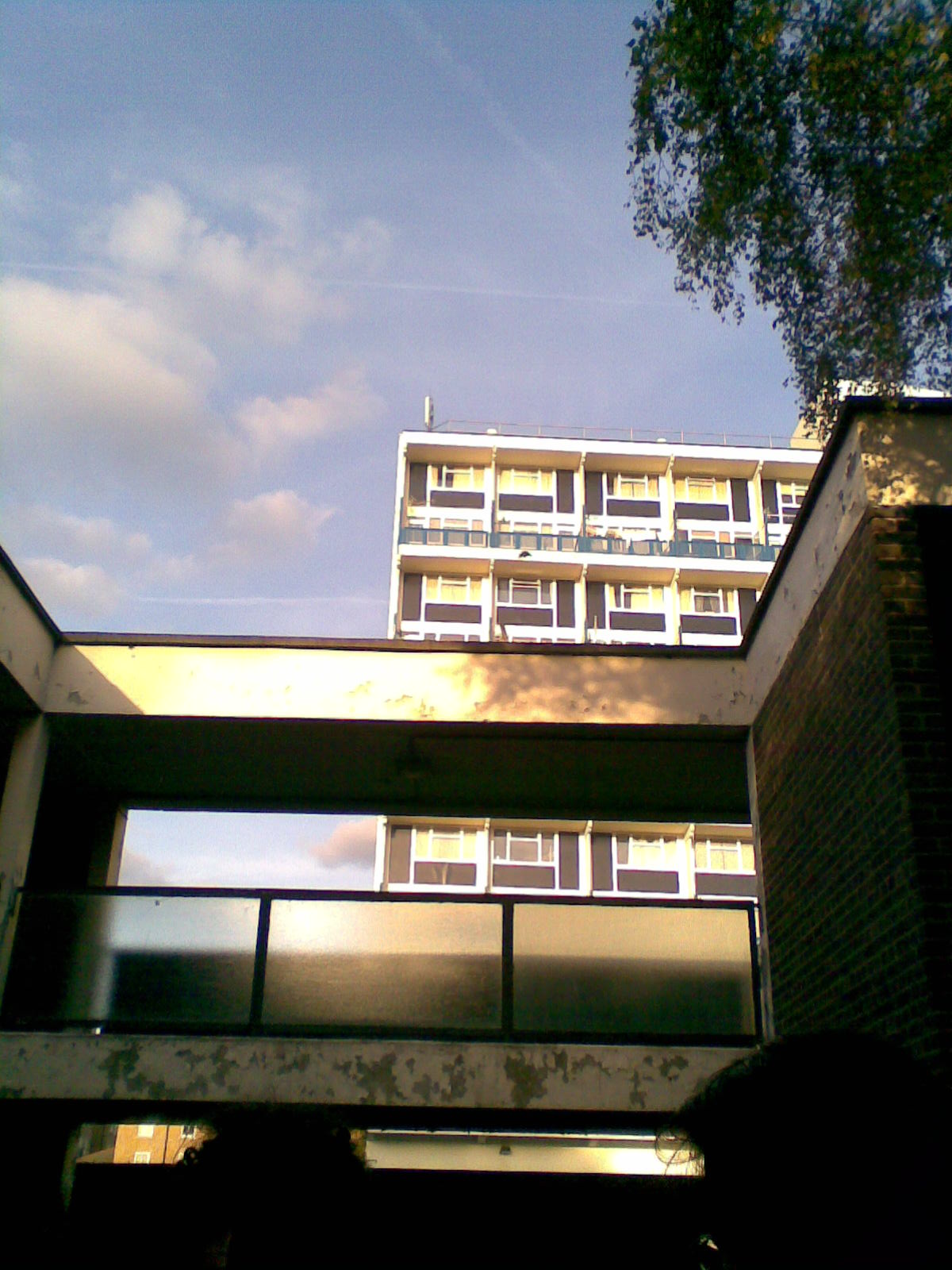
Just before the roundabout we take a right onto Bartholomew Street then immediately right again down Burge Street which beyond the Cardinal Bourne Street cul-de-sac turns into Burbage Close. Coming out onto Spurgeon Street we turn left then return to Bartholomew Street via Deverell Street. Looming before us here is the giant Symington House, an eleven-storey ‘slab’ block on the Lawson Estate completed in 1962. It subsequently fell on hard times and in the 1980s, the Greater London Council (GLC) offered it to the private sector for just £1, to no avail. Though the GLC then modernised the building, in 2008 it was condemned by Southwark Borough Council. The booming London property market, however, saved it from demolition. The following year one of the flats became home to an installation by the artist Roger Hiorns, who had previously worked as a postman in the area. To make the piece, entitled Seizure, 75,000 litres of copper sulphate solution were poured into the flat. When it was drained a month later, every surface was covered with luminous blue crystals. Seizure was moved to the Yorkshire Sculpture Park when the flats were finally redeveloped. (The bottom pictures below were taken when I visited the installation in 2009.)

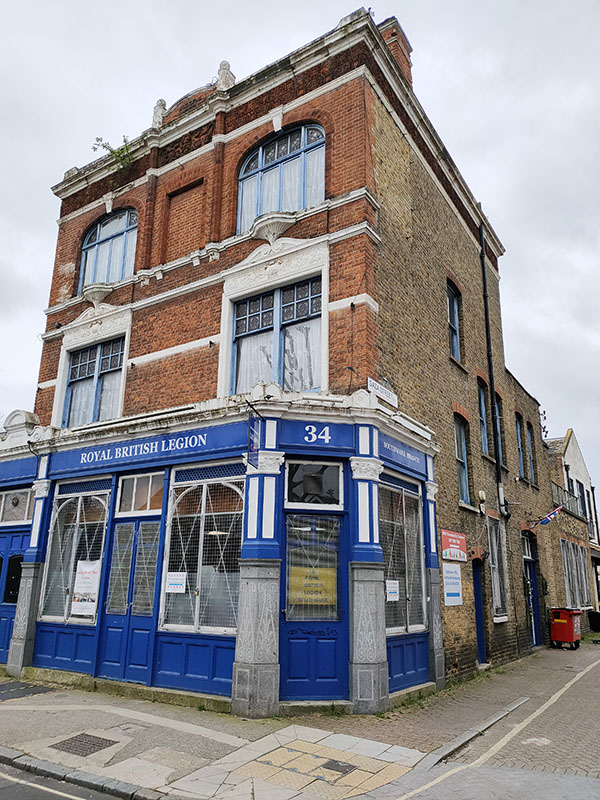
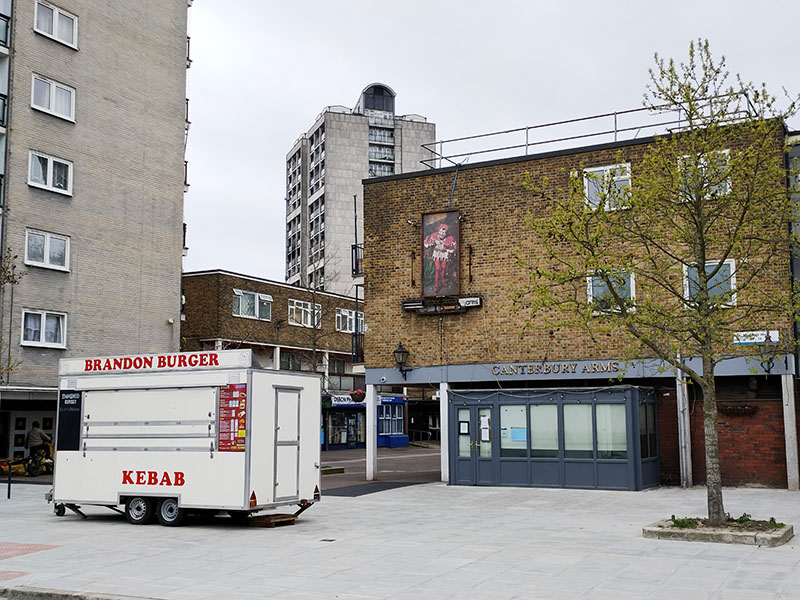
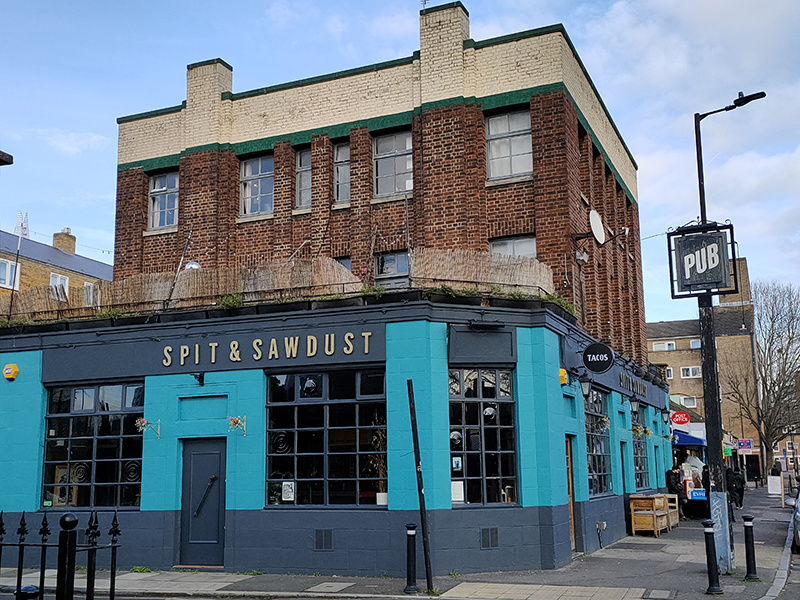
At the end of Deverell Street there’s another old pub reimagined (this time through the prism of post-modern irony).

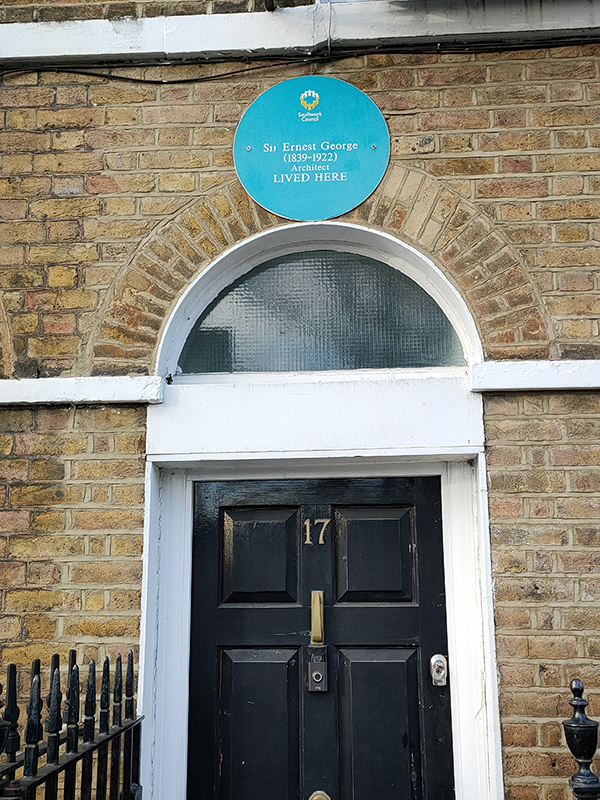
I wasn’t in all honesty expecting to see any plaques on today’s route but at no. 17 Bartholomew Street Southwark Council have erected one in honour of the architect Sir Ernest George (1839 – 1922) who spent part of his life in this Georgian terrace house. Amongst George’s works were the current Southwark Bridge (1921), and the Memorial to Heroic Self-Sacrifice in London’s Postman’s Park.

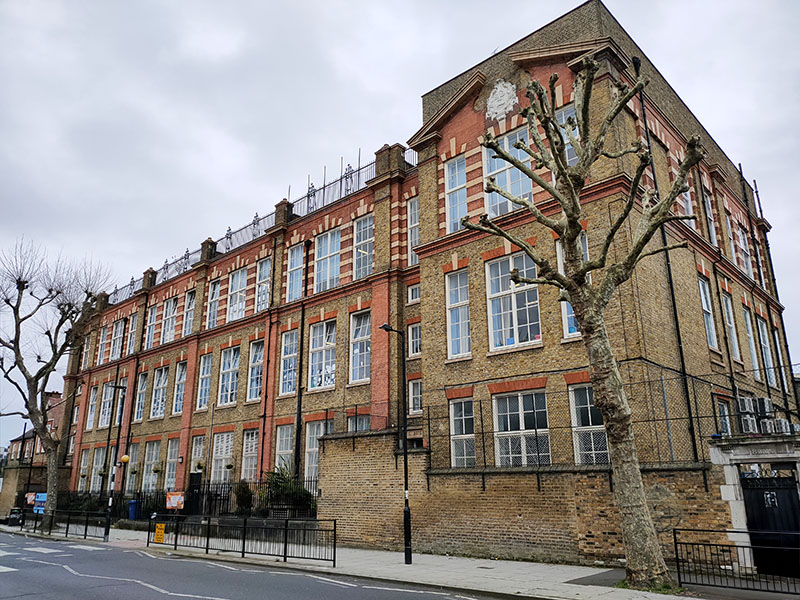
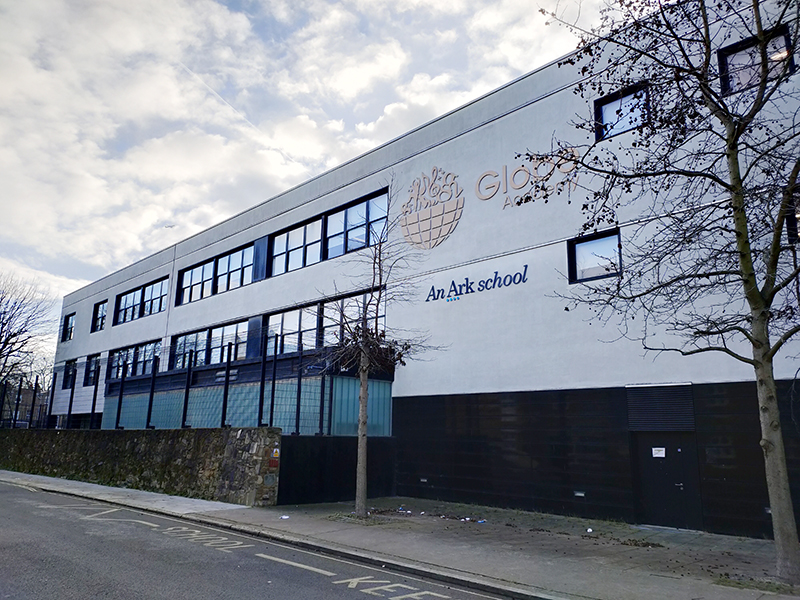
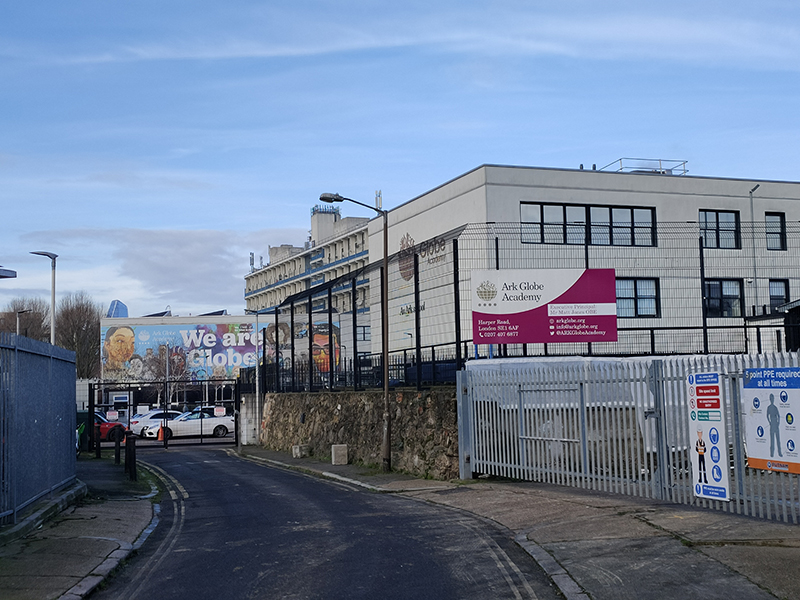
Next up we’re back on NKR and soon turning north again on Theobald Street which runs along the rear of the Ark Globe Academy School. This is one of 39 schools run by the Ark Charitable Trust which was founded in 2002 and is a so-called all-through establishment, so basically primary and secondary school combined. According to the Department of Education website it currently has 1,315 pupils out of a capacity of 1,645 and the Ofsted inspection of 2021 classified it as Good in 4 categories and Outstanding in 2.

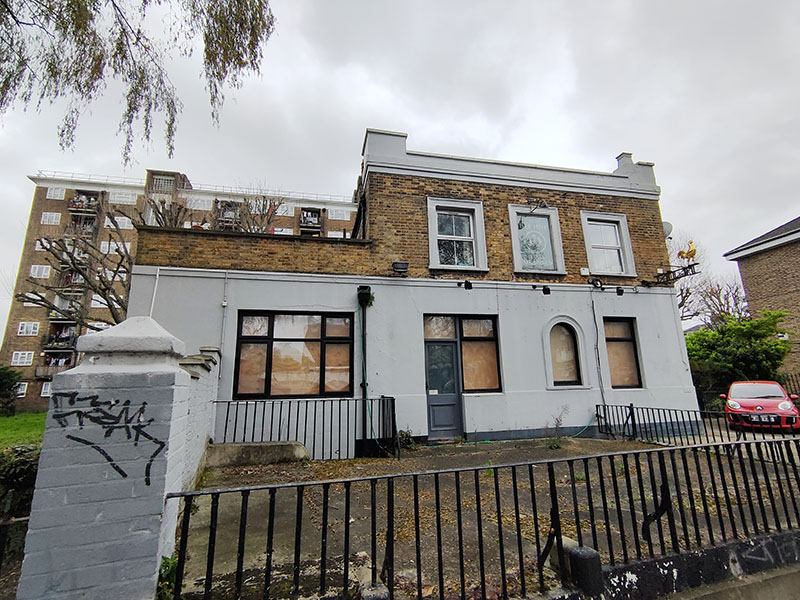
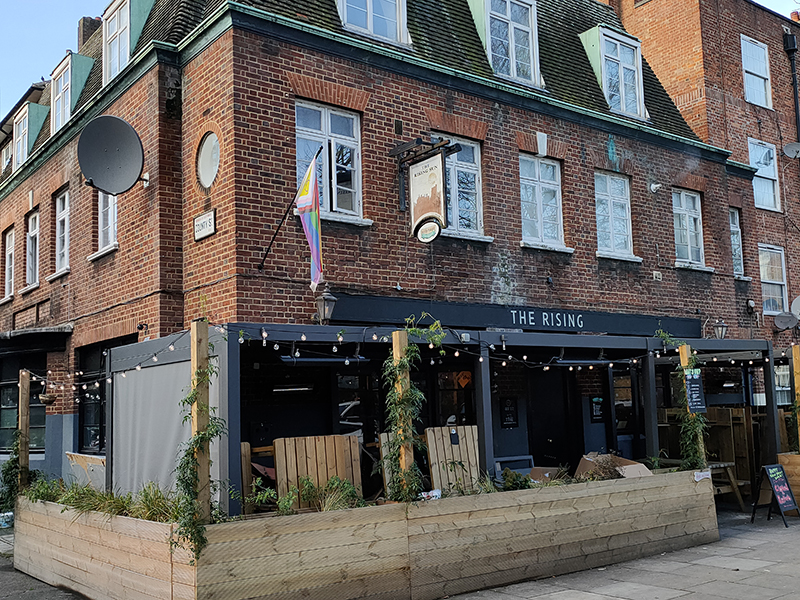
We proceed next along County Street, which runs parallel to NKR on the north side, passing yet another reconstructed boozer. Jumping to conclusions again , I assumed that part of the lettering above the door had just fallen off and in doing so had turned the Rising Sun into something rather more unwelcoming. It transpires though that this is a deliberate renaming of what is now a dedicated LBGTQ bar.

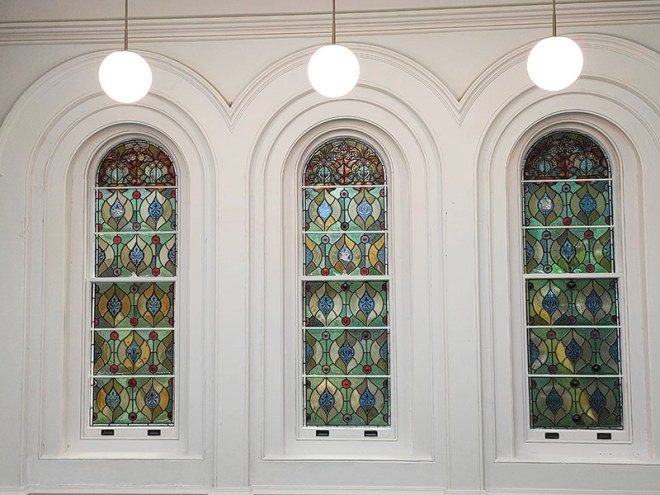
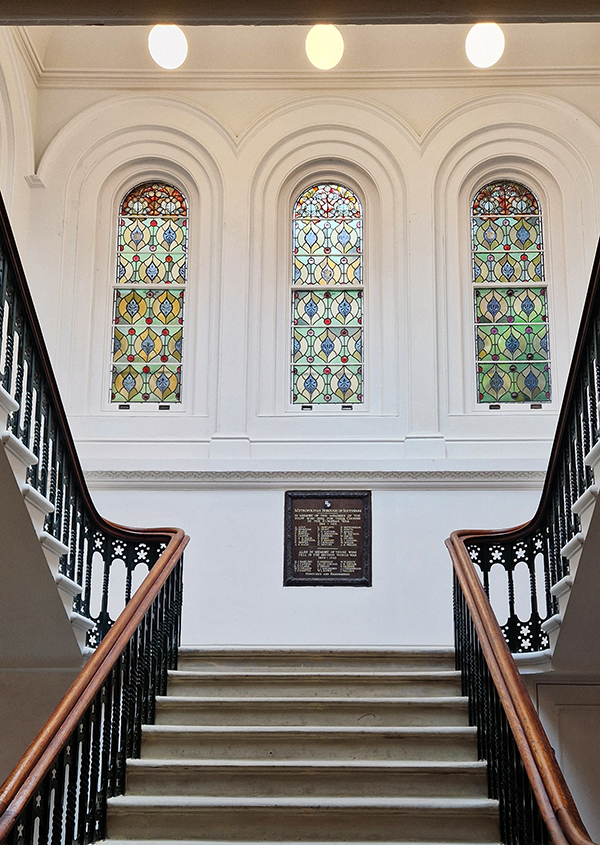
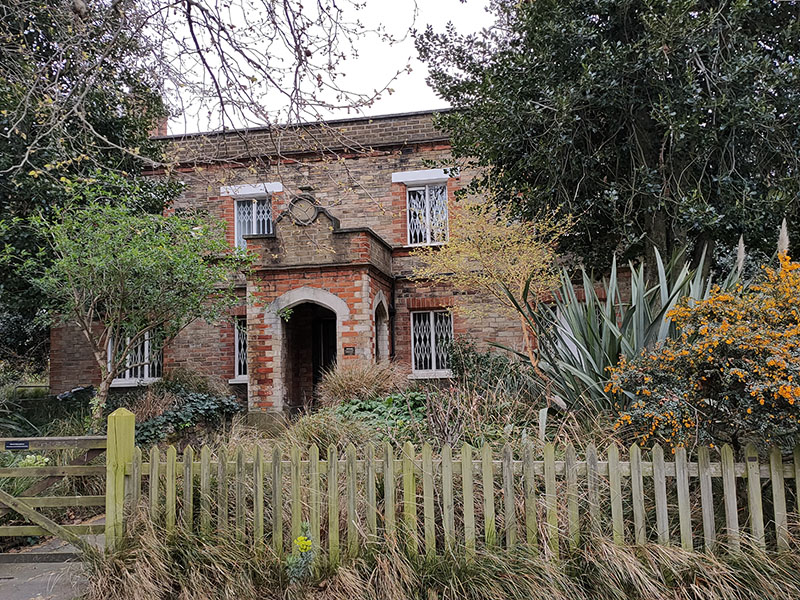
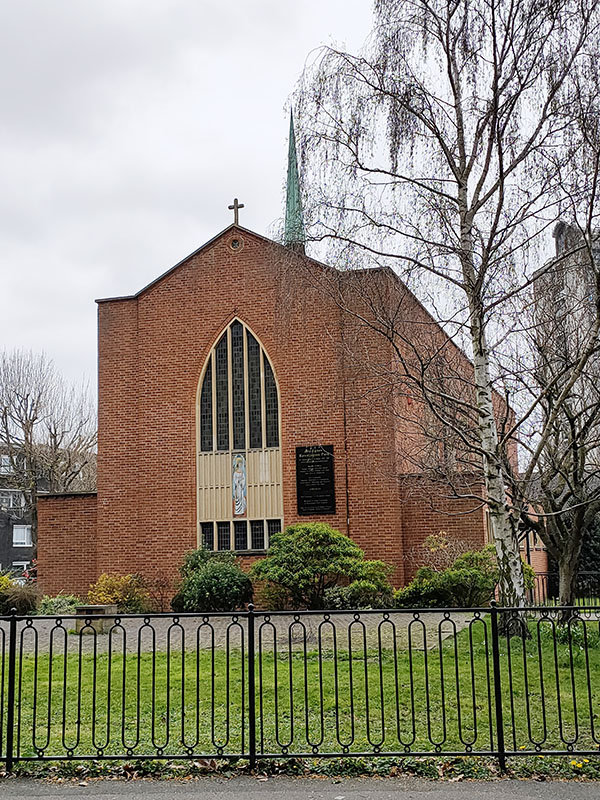
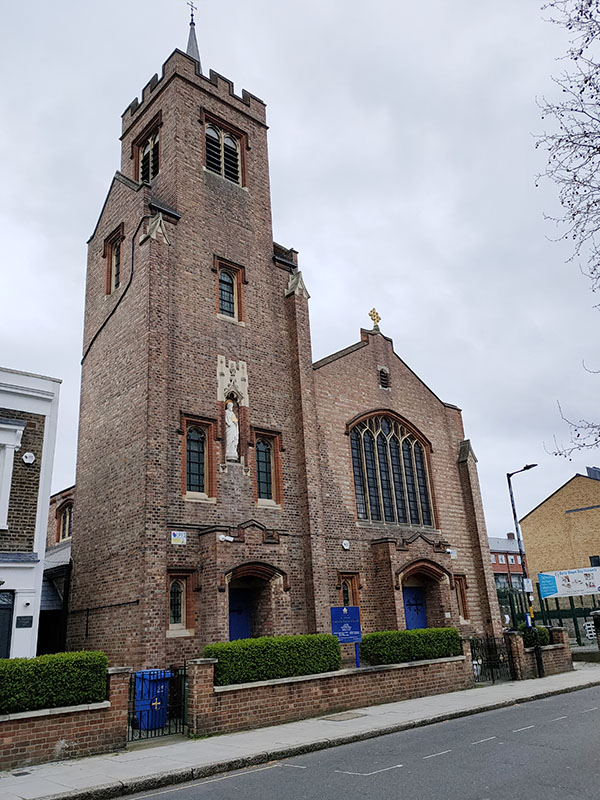
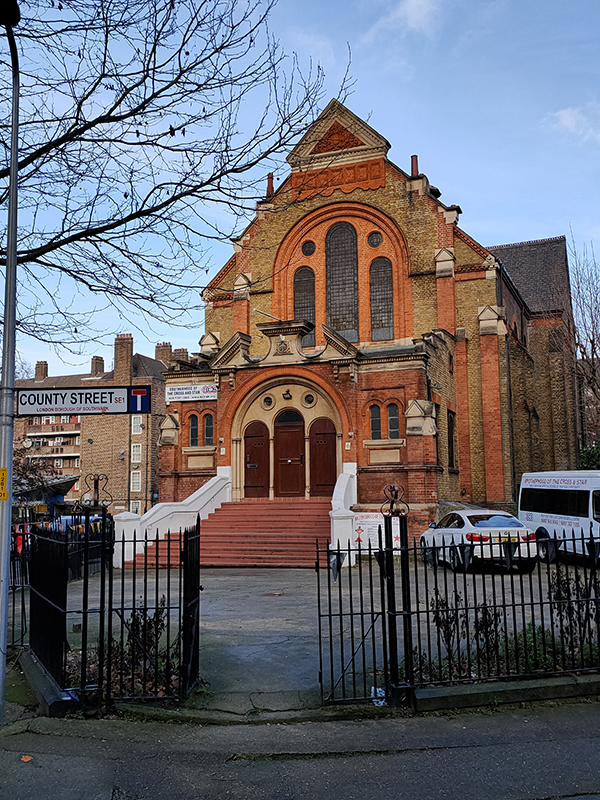
At the western end of County Street there’s another case of redenomination that could be easily misconstrued (if you have a suspicious mind like mine). The Grade II listed chapel on the corner with Falmouth Road was built as the Welsh Presbyterian Star and Cross Church in 1888. It is constructed of red brick and gauged brickwork with Queen Anne and Romanesque influences. It currently serves as the London base for the Brotherhood of the Cross and Star (see what I mean). According to their website, the Brotherhood of the Cross and Star (BCS) is not a church or new religious movement (or a group of Marvel supervillains from the 1970’s). It is the fulfilment of Biblical scripture relating to the manifestation of God’s reign on earth recorded from Genesis to Revelation and was established in Nigeria in 1956 under the spiritual leadership of Olumba Olumba Obu. As far as the building goes, the complete gallery survives internally and the stained glass is good quality but the external fabric is in urgent need of repair. Reportedly, the congregation is actively engaged in discussion with potential funders to develop a repair project.

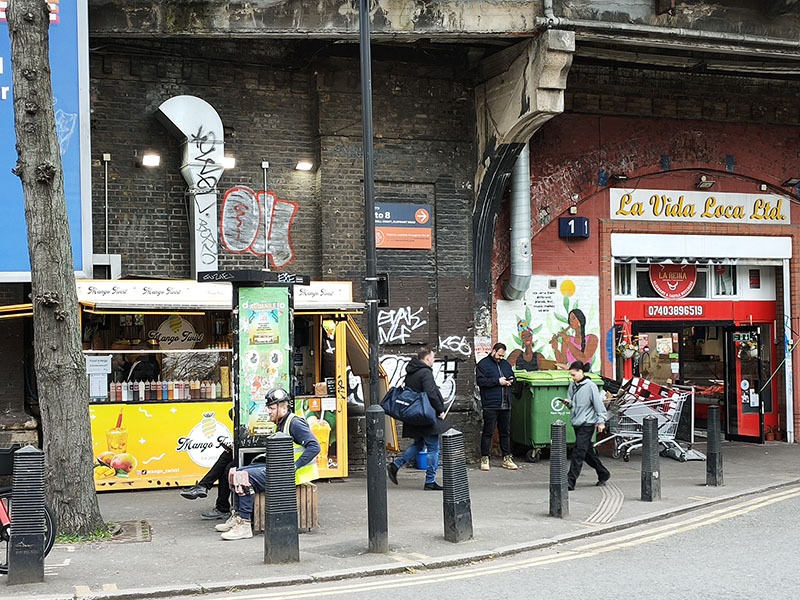
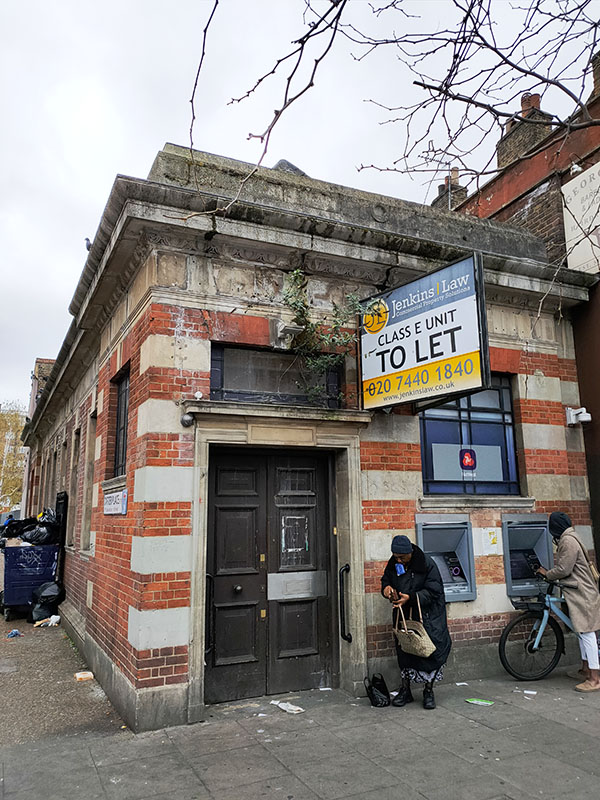
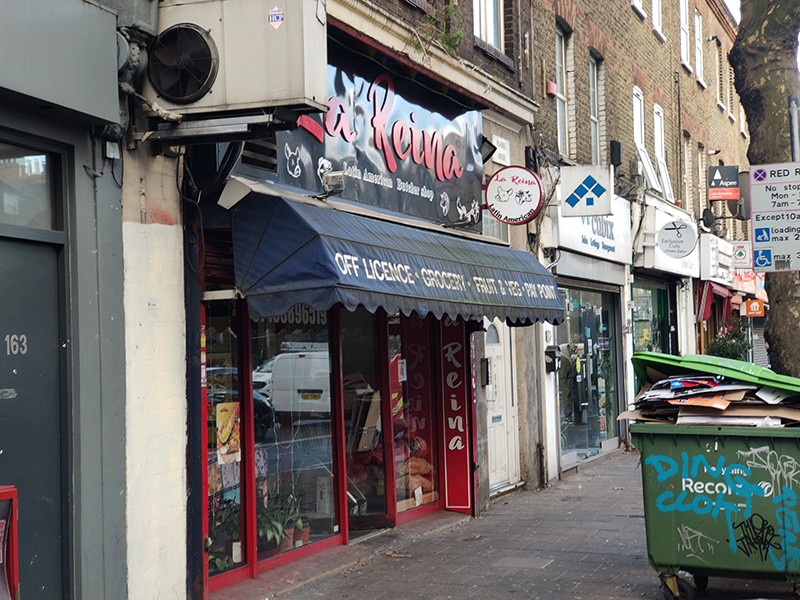
One final look at the north side of the NCR before we cross over into the brave new world. This part of South London has long been a stronghold of the Latin American diaspora and here, in between another Chicken Shop and a Lebanese Grill, they have their own butcher shop, La Reina (“the Queen”).

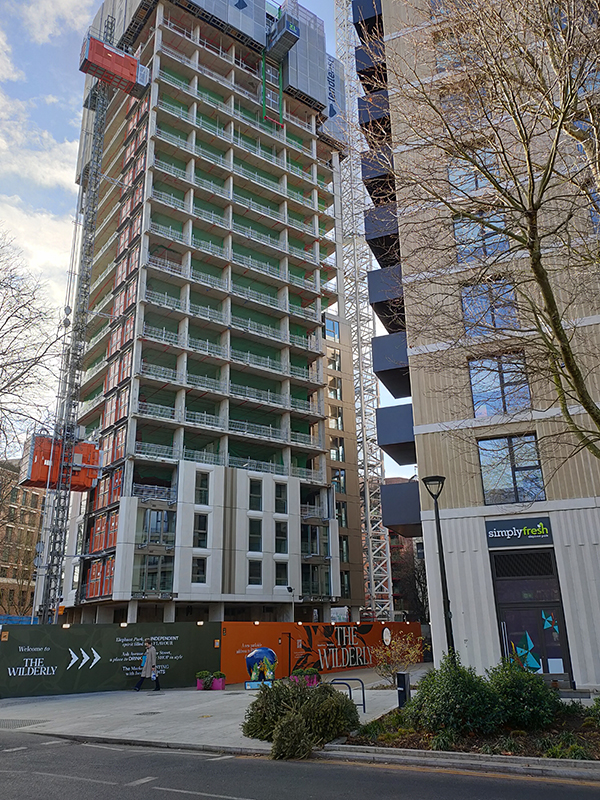
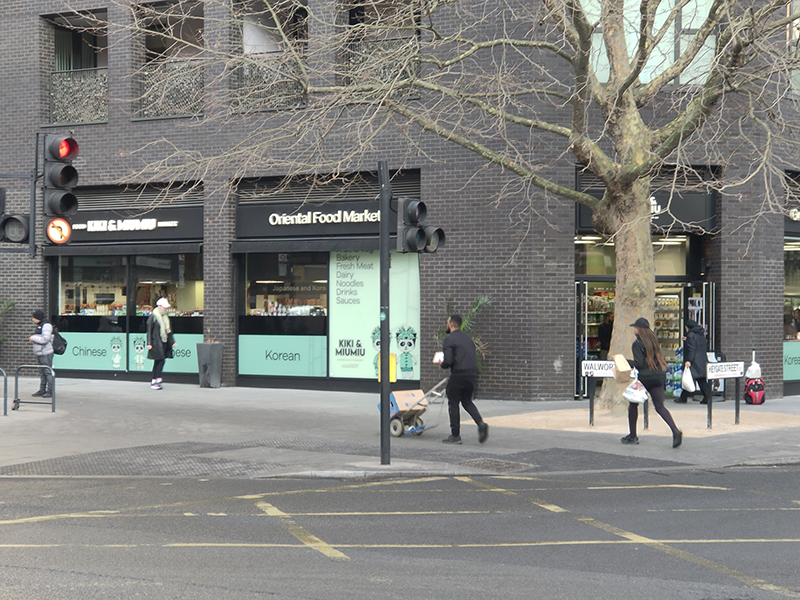
We cross over the NKR and enter its southern vicinity via Rodney Place where the final residential development of the Elephant Park scheme, the Wilderley, is well underway. Designed by architects HOK, The Wilderly is comprised of two buildings, The Tower (25 storeys) and Mansion Collections (11 storeys). Studios, one, two and three-bedroom residences are launching for sale in January 2025 with prices starting from £630,000 (but you do get access to a Wellness Studio and Gym and a Sanctuary Garden for that). The presence of a Simply Fresh outlet further underlines that we’re not in Kansas any more, Toto.

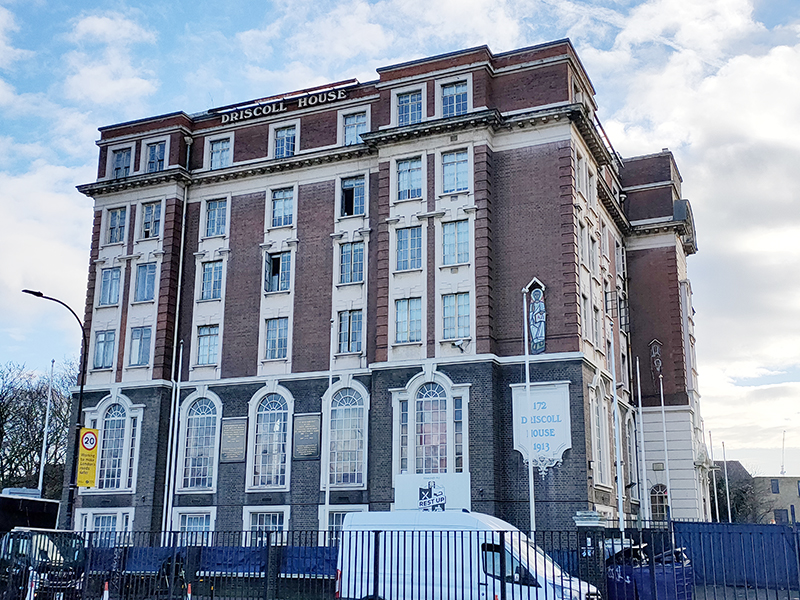
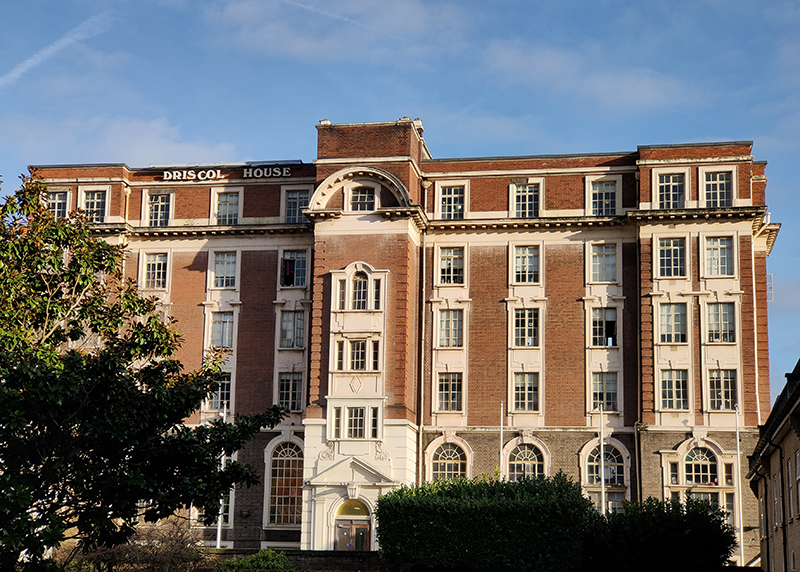
There’s still a bit of old London to explore before we get to Elephant Park in earnest however. Heading east on Munton Road and then turning left into Balfour Street we find ourselves at the rear of Driscoll House, the front of which faces onto the NKR. Built in 1913 as a women’s hostel, one of the very few, this was originally called Ada Lewis House, after the widow of money-lender and philanthropist, Samuel Lewis. Upon his death in 1901, Lewis left an endowment of £670,000 (equivalent to £30m today) to set up a charitable trust to provide housing for the poor. The building was acquired in 1965 by Terence Driscoll, founder of the International Language Club in Croydon who renamed it after himself. He repurposed it as an ultra-budget hotel (initially just for female guests) with around 200 very small bedrooms and communal bathrooms and toilets. In 1978, the policy was changed so that male as well as female guests were accepted. One floor was however reserved for female guests, and it was frowned on for men even to appear in the corridors of that floor. Up until the hotel’s closure in 2007 (a week after Terence Driscoll’s funeral), a single room cost just £30 per night or £150 per week, including breakfast and evening meal on weekdays, and breakfast, lunch and evening meal on weekends, which made it just about the cheapest place to stay in London. Following a successful campaign to save the building from demolition and have it listed it was refurbished and reopened as a hostel in 2012. The building currently houses refugees pending processing and is almost exclusively used for this purpose by the Home Office.

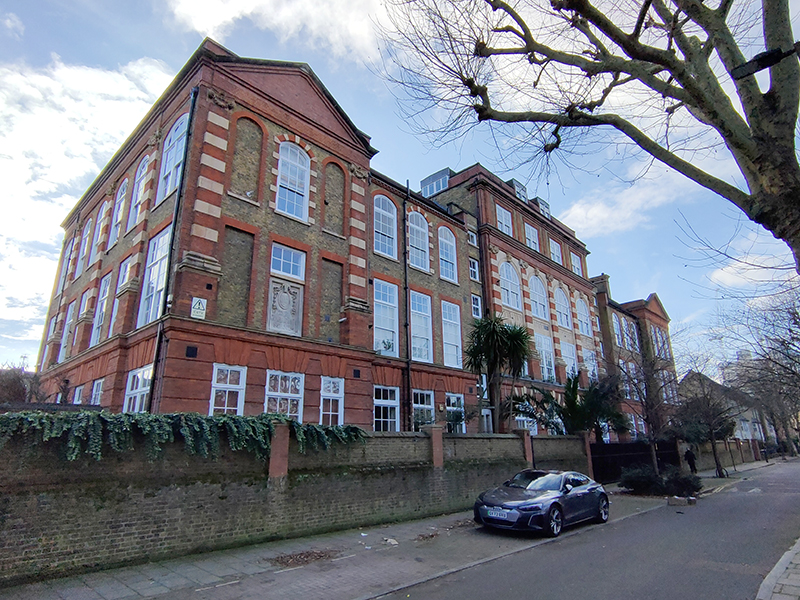
Switching southward on Balfour Street we head down to John Maurice Close and follow this east until it merges into Searles Road. This is home to what was formerly the Paragon School, built in 1900 following the demolition of The Paragon estate, six blocks of four storey semi-detached houses linked by a single-story colonnade, designed by Michael Searles (1750 – 1813) and built in1789-90 for the Rolls family. Searles went on to use the same name for a, now Grade I listed, 14-house perfect crescent in Blackheath. When the school opened it had no hot water or indoor sanitation and its headmaster was paid £26 a year. The school closed in 1988 and was for a number of years run by Southwark Council as a centre for Evening Classes and art studios before finally being sold for private development and converted into a residential building named The Paragon.

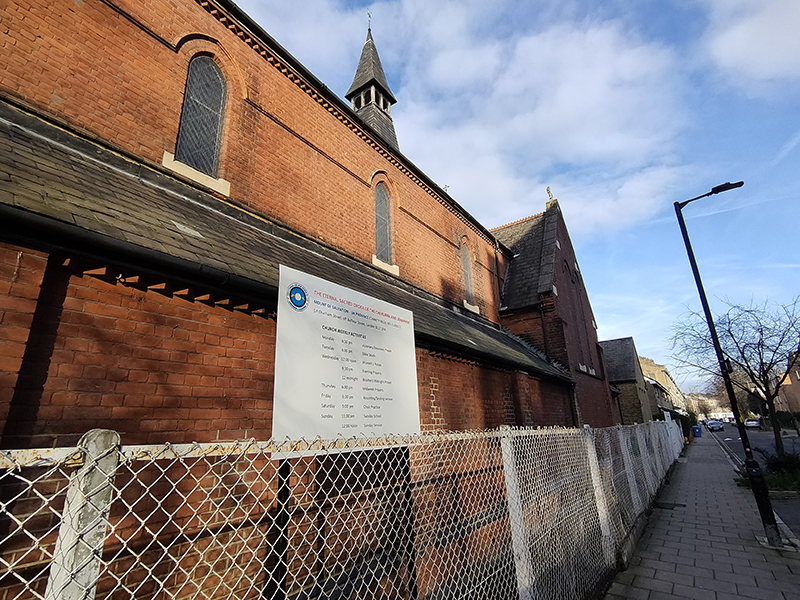
At the end of Searles Road we turn west on Darwin Street which eventually gives way to Hillery Close from where we take Salisbury Close up to Chatham Street. On the corner with Balfour Street the former Lady Margaret Church (1884 – 1977) became a branch of yet another Nigerian-based church, the fantastically-named Eternal Sacred Order of the Cherubim and Seraphim (ESOCS), founded in 1925 by Saint Moses Orimolade Tunolase. I wasn’t able however to find any concrete evidence that ESOCS is still active in this location.

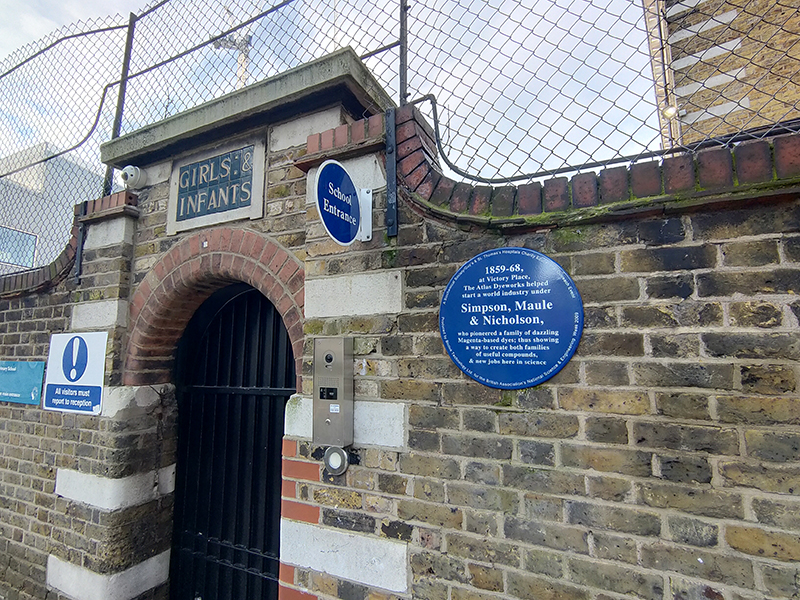
After a quick look at Henshaw Street we continue west along Victory Place. Outside Victory Primary School (1913) is a plaque commemorating The Atlas Dyeworks which previously stood on this site and whose owners George Simpson, George Maule and Edward Nicholson, pioneered the production of Magenta-based dyes. Magenta, familiar to anyone with an inkjet printer, was originally called fuchsine and patented in 1859 by the French chemist François-Emmanuel Verguin. It was renamed to celebrate the Italian-French victory at the Battle of Magenta fought between the French and Austrians on 4 June 1859 near the Italian town of Magenta in Lombardy. That same year Simpson, Maule and Nicholson created an almost identical shade which they named roseine. A year later they also switched the name to Magenta having, according to some reports, acquired Verguin’s patent for £2,000. Some claim that Magenta is not technically a colour as it doesn’t have a wavelength of light and therefore is just a creation of the human brain. Notwithstanding that, it sits exactly halfway between red and blue on the RGB colour chart and in 2023 a shade of Magenta, Viva, was named as Pantone colour of the year.

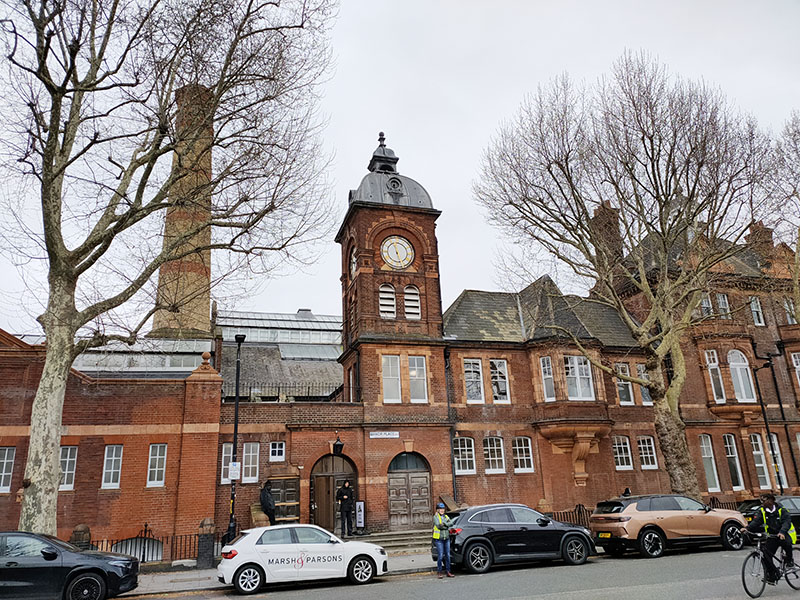
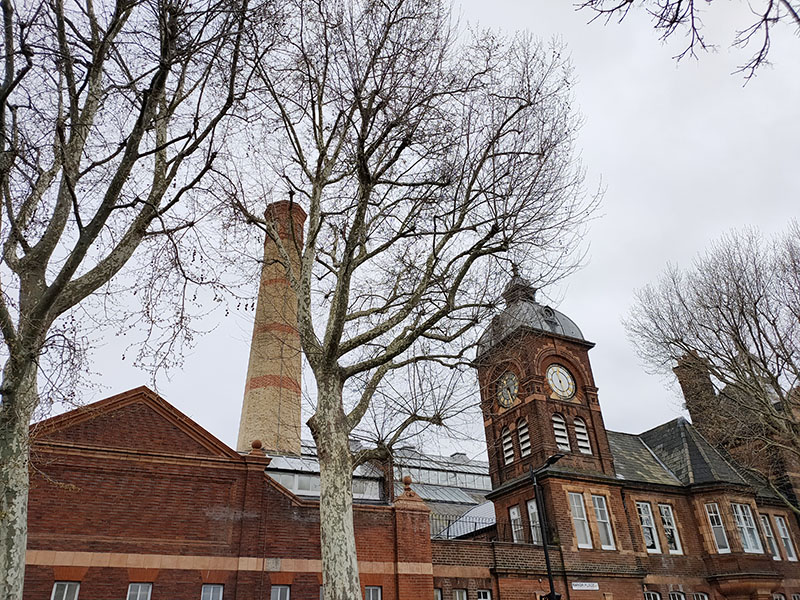
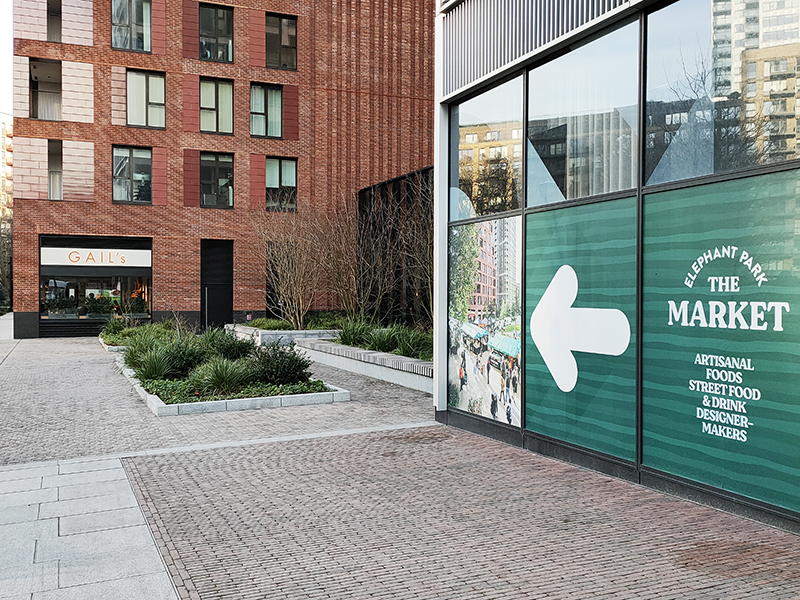
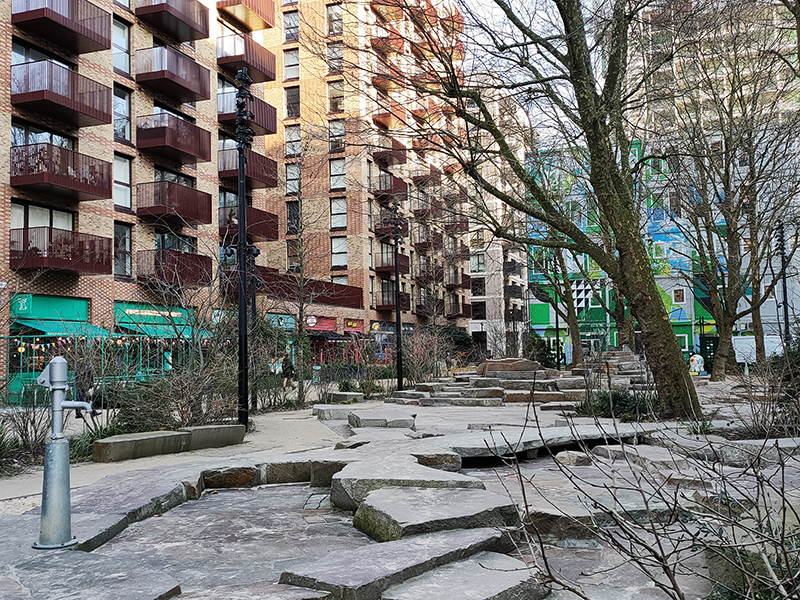
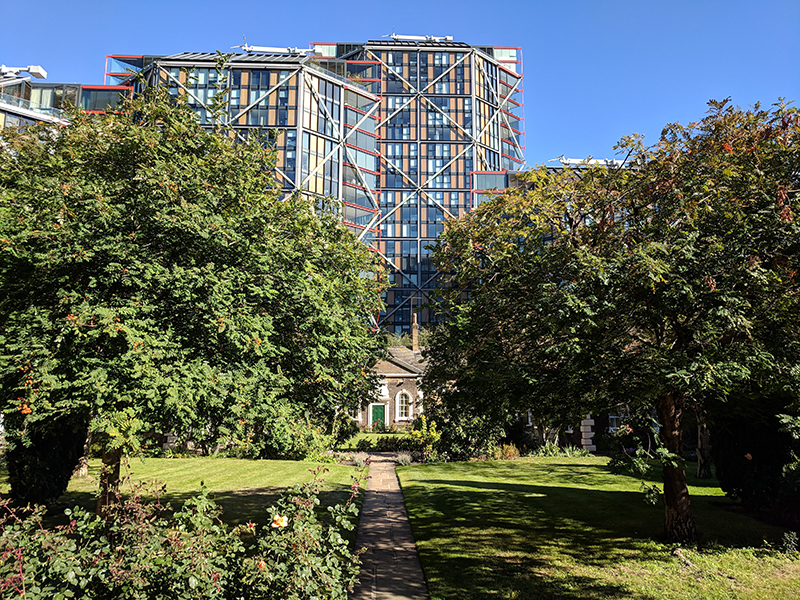
And so, we finally head into the Elephant Park development area, having first skirted round it’s southern boundary via Heygate Street, Steedman Street and Hampton Street, crossing twice over the Walworth Road in the process. This 170 acre site was earmarked for a master-planned redevelopment budgeted at £1.5 billion from the mid 2000’s onward. As mentioned at the start, this led to the demolition of the brutalist Heygate Estate and adjacent social housing to be replaced with a mix of social and private-sector housing and green space of which Elephant Park forms a major part. Developer, Lendlease, has so far delivered 2,303 apartments and 8,600 sqm of retail space with a further 222 apartments, 1,000 sqm of office space and 400 sqm of retail space on the way. They have also recently opened the two-acre central park and Elephant Springs, an “urban oasis” featuring fountains, waterfalls, and slides (though as you can see below this is closed for the winter).

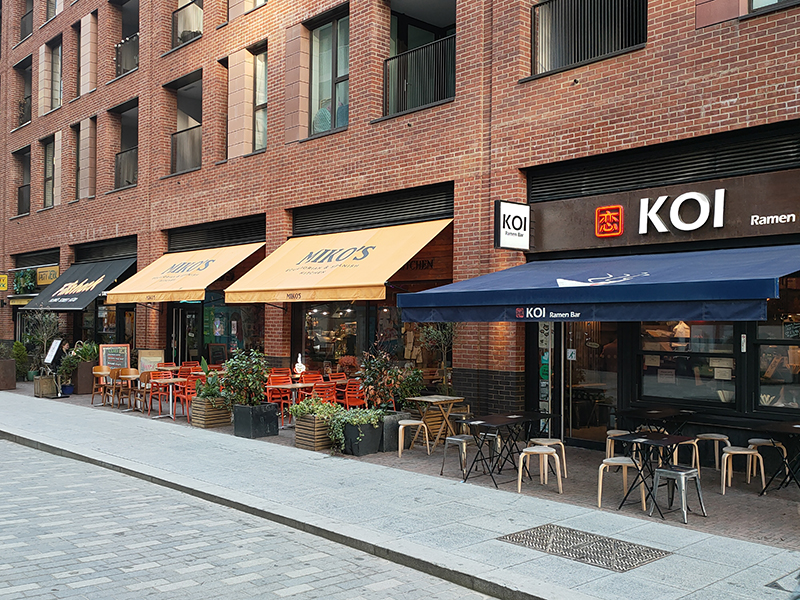
The area around Elephant & Castle has historically been very working class in character and in recent decades increasingly ethnically diverse. Driven by the development the demographics have been changing however with an influx of city workers and members of the South East Asian communities; both of whom are well catered for by the restaurants and bars of Elephant Park. (I never thought I would see the day when the Elephant & Castle hosted a Gail’s Bakery).

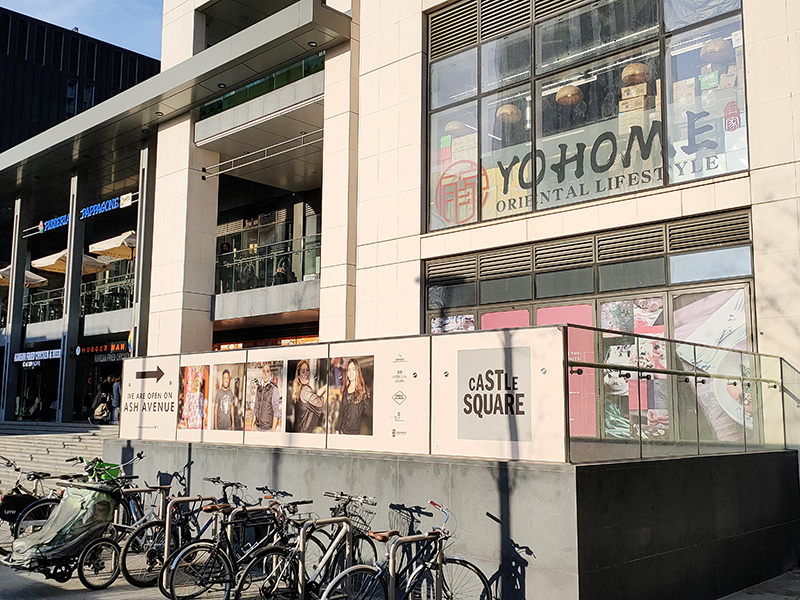
Elephant Park is traversed by Deacon Street and Ash Avenue. At the western end of the latter is Castle Square, a new public space and retail destination which is home to many of the traders formerly based in the old E & C shopping centre. The statue from the original Victorian Elephant & Castle pub which was demolished in 1959 now sits atop the main hub of Castle Square.

That shopping centre, designed by Boissevain & Osmond for the Willets Group, was opened in March 1965 and was the first covered shopping mall in Europe. It never quite lived up to the original ambitions of its developers to create “the Piccadilly of the South” though. In due course it came to be frequently voted the ugliest building in London (if not the whole of the UK) and its destruction in October 2020 was very much unlamented. That was definitely not the case for the adjacent Coronet Cinema which was demolished at the same, having survived since 1932. The current, since 2015, owners of the site, Delancey, are in the midst of a redevelopment plan for a new “town centre”, which is due to be completed in 2026. This is scheduled to include new housing at both affordable and market rent; a combination of shops, restaurants and leisure facilities, with existing shopping centre independent traders getting first right of refusal to return to the affordable retail spaces; a state-of-the-art new home for London College of Communication and a new entrance to the Northern Line Underground providing both escalator and lift access and designed to safeguard for any future Bakerloo line extension. Watch this space (see below).
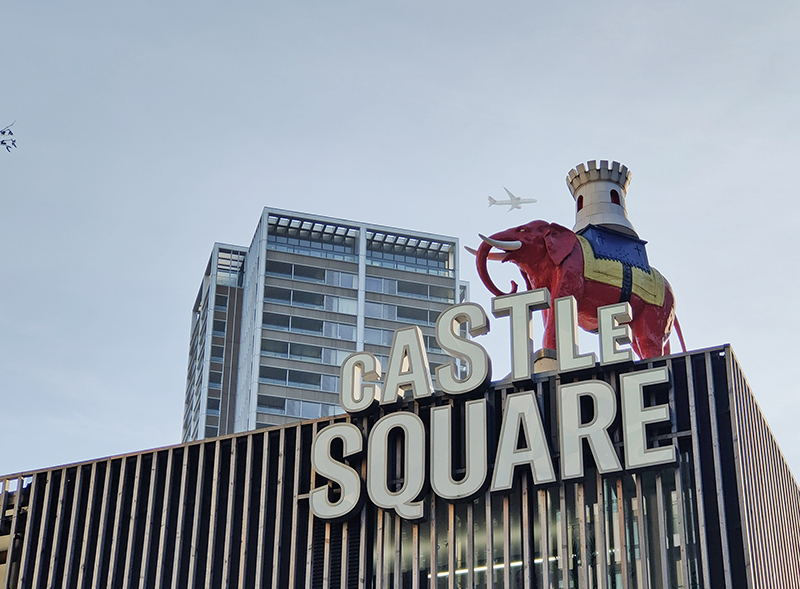
So that just about wraps things up for this time and its via the existing access to the Northern Line that we exit (pursued by an Elephant).

Day 56 – Elephant & Castle to Tate Modern

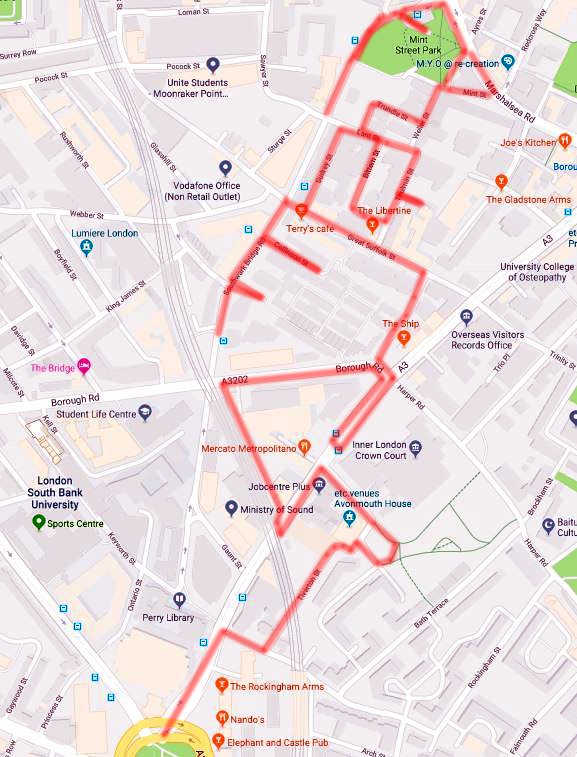
Does what it says on the tin this one, so it’s a long south to north and narrow east to west. So much so that I’ve had to divide the route map in two; starting off with this one which takes us from the Elephant & Castle as far as Mint Street Park which lies about halfway along Southwark Bridge Road.

Day 56 Route 1

Our journey north from the E & C begins along Newington Causeway then takes a right into Rockingham Street before continuing north up Tiverton Street as far as Newington Gardens. This small park sits on the site of the former Horsemonger Lane Gaol which closed in 1878. The poet and reformer, Leigh Hunt, had been one of the “guests” of the gaol, detained for writing disrespectfully of George IV. In 1849, Charles Dickens (of whom much more later), came here to witness a public execution and was so appalled he wrote to The Times in favour of their abolition.

Avonmouth Street takes us away from the park back to Newington Causeway where we turn back southward briefly before cutting sharply north again down Newington Court which runs alongside the railway arches.  On the way we pass the Institute of Optometry which started life in 1922 as the London Refraction Hospital – refraction in this context basically just meaning eye test – the world’s first specialist eye clinic. The current name was only adopted in 1988. On the other side of the road is the Southwark Playhouse which has been one of London’s leading studio theatres for the last 25 years.

Newington Court houses the entrance to the Ministry of Sound nightclub which took over the disused bus garage behind the arches back in 1991. One of the first of the so-called superclubs of the nineties and one of the few remaining, MoS still attracts around 300,000 clubbers a year to its three weekly sessions and has fought off several threats of closure due to the development of the surrounding area.

At the far end of the arches we emerge onto Borough Road and turn east. On our right we pass the home of the London School of Musical Theatre, a faux-Gothic style building dating from 1906. The LSMT moved here in 2000 having previously been at the Old Vic then Her Majesty’s Theatre. Like the MoS they have also had to ride out local redevelopment plans.

IMG_20180927_113538

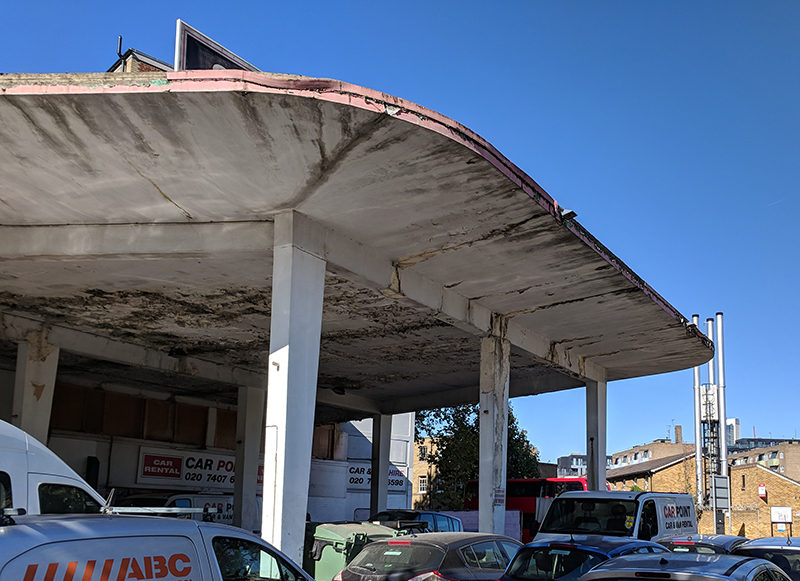
At the junction of Borough Road and Newington Causeway is a sadly crumbling example of a classic 1960’s petrol station forecourt canopy….

IMG_20180927_113805

… right opposite the Inner London Crown Court located in the Sessions House opened in 1917.
IMG_20180927_113836

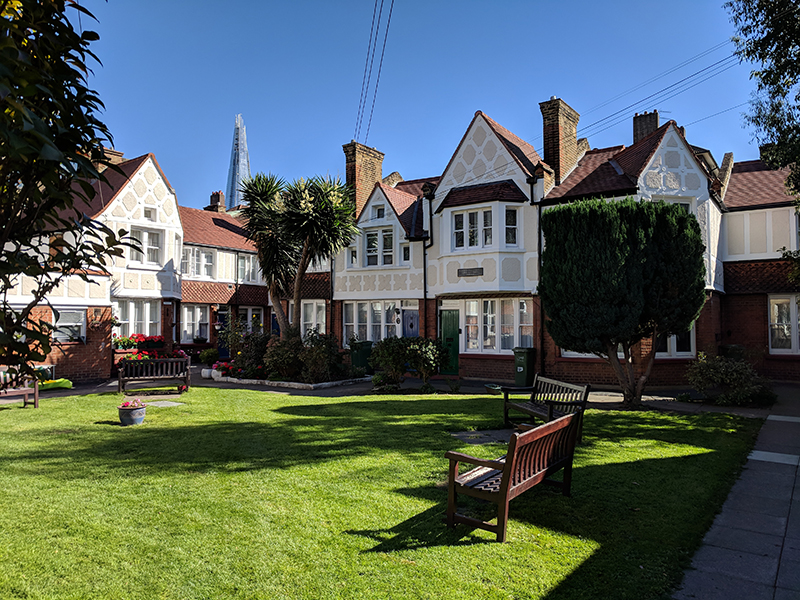
Crossing onto the north side of Borough Road we take Stone’s End Street up to Great Suffolk Street then turn west as far as Southwark Bridge Road where we dip back southward in order to check off Collinson Street and Scovell Road. We resume the northward trajectory from Great Suffolk Street up Sudrey Street which is blessed with one of the four rows of cottages in this area built around 1887 at the instigation of social reformer Octavia Hill (1838 – 1912). Octavia, who later went on to co-found the National Trust in 1895, arranged for the cottages to be built on land owned by the Ecclesiastical Commissioners following her appointment to manage their portfolio of inner city properties.

IMG_20180927_115154

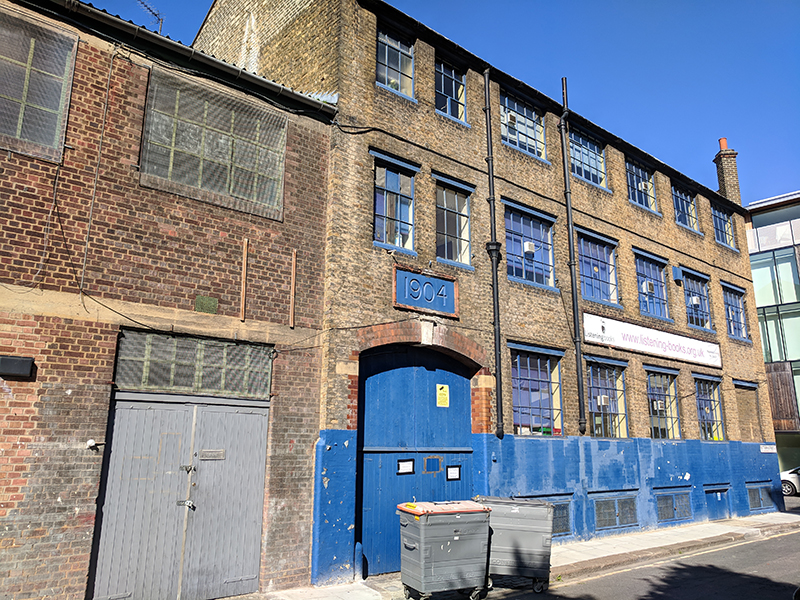
At the end of Sudrey Street we turn right onto Lant Street then right again round Bittern Street. A 1904 warehouse on the corner here is now home to the Listening Books charity
IMG_20180927_115410

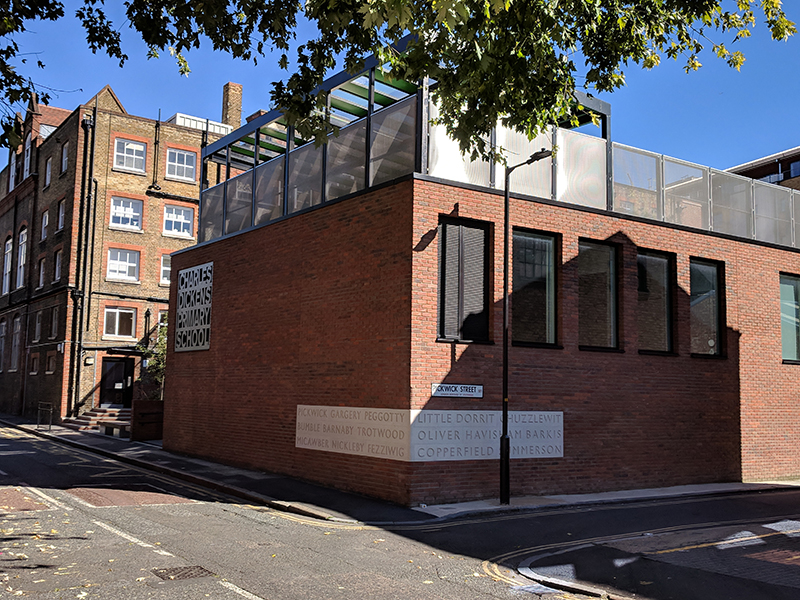
And round the next corner, heading north again on Touliman Street, stands the Charles Dickens primary school, appropriately bordered on one side by Pickwick Street.

IMG_20180927_115544

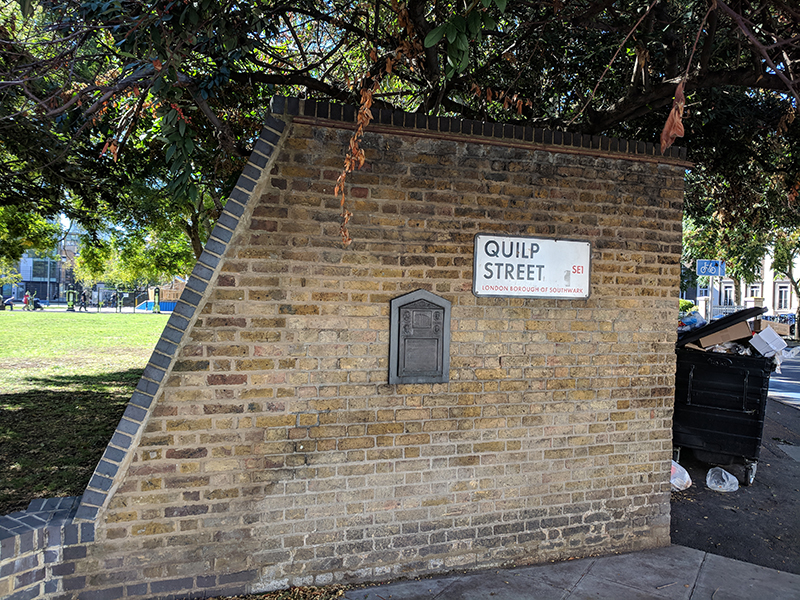
Next we turn back along Lant Street before taking the dog-leg Trundle Street round to Weller Street. Then a combination of Mint Street and Caleb Street drops us onto Marshalsea Road. An obvious further Dickens connection here though the debtors’ prison that held his father was actually sited on what is now Borough High Street. Circling round Mint Street Park we arrive at another Dickens’ reminder in the form of Quilp StreetQuilp being the vicious and stunted villain from The Old Curiosity Shop.

IMG_20180927_120408

Before we get to the second leg of today’s journey there’s a previously unvisited stretch of Southwark Bridge Road to go up and down. This includes the old Southwark Fire Station a Grade II listed Gothic Revival building of 1878 (further developed in 1911).
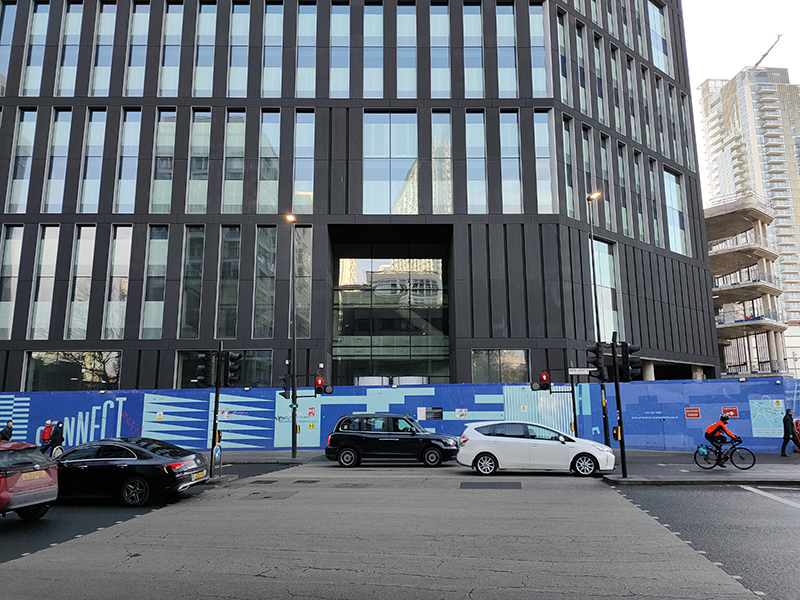
IMG_20180927_120627

And adjacent to the north, Winchester House, originally built as a workhouse in the late 18th century and later converted into a hat factory and private residences. At the same time as the fire station was being built next door this was acquired by the Metropolitan Fire Brigade to serve as its HQ, which it did up until the 1930’s. In 2018 planning approval was granted for a redevelopment to create a new secondary school that would incorporate both the Fire Station and Winchester House buildings.
IMG_20180927_120733


Stage 2 kicks off on the other side of the Borough Welsh Congregational Chapel where Doyce Street makes a short run into Great Guilford Street.

IMG_20180927_120813

Day 56 Route 2

Once on Great Guilford Street you’re greeted with this warning (nicely juxtaposed with the Anarchist symbol I thought) which is supposedly an Edwardian injunction against public urination.

IMG_20180927_120903

We follow Great Guildford Street down to Union Street which then takes us west as far as Pepper Street which runs back south to Copperfield Street (Dickens again of course). On the south side of the street are some more of Octavia Hill’s cottages, Winchester Cottages, with a pleasingly Dickensian aspect to them.

IMG_20180927_121342

And on the north side is All Hallows Church originally erected in 1879-80 in the Victorian Gothic style as interpreted by George Gilbert Scott Junior (1839 – 1897) but almost completely destroyed in the Blitz. Fragments of the building remain, including two stone archways and a chapel, all incorporated into a rebuilding of the north aisle of the church in 1957. This was closed in 1971. The remainder of the bombsite rubble was restored to create an award-winning walled garden with lawns, flower beds and shrubbery.

We take the next turn on the left as you go west which is Sawyer Street. This connects us with Loman Street on which we continue west back to Great Suffolk Street and are pleased to discover en route a Victorian warehouse yet to succumb to demolition or redevelopment. The warehouse is a grade II listed building and dates from the 1850s or 1860s. It has had many occupants over the decades, including Spicer Bros paper merchants in the late 19th century and more recently a group of squatters.

IMG_20180927_122802

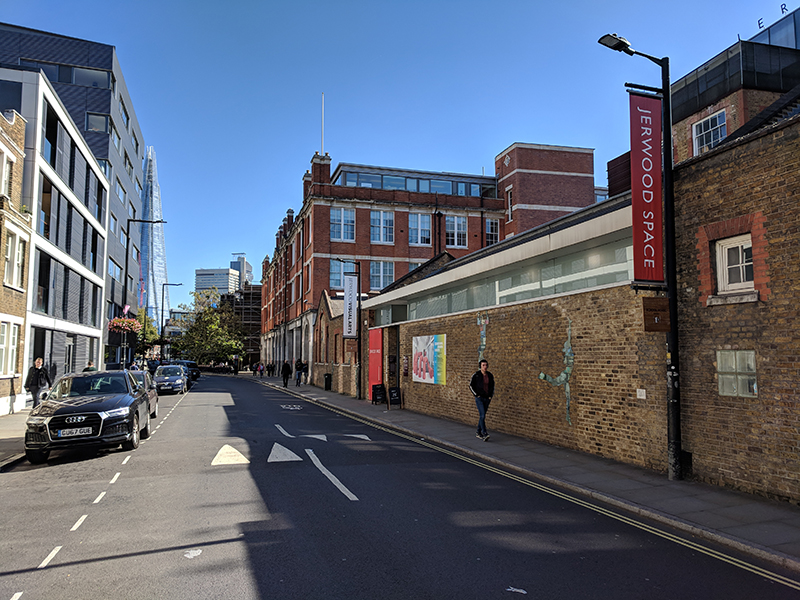
From here we loop back to Union Street via the western section of Copperfield Street and Risborough Street. Heading back east we stop off briefly at the Jerwood Space. The Jerwood which opened in 1998 was the first major capital project of the Jerwood Foundation. The Jerwood Foundation was established in 1977 for the international businessman and philanthropist John Jerwood (1918 – 1991). Jerwood moved to Japan after the Second World War and established what became one of the largest cultured pearl dealerships in the world. The Jerwood is an important dance and theatre rehearsal space and includes a gallery which hosts the prestigious annual Jerwood drawing prize. It also has a pretty good café.
IMG_20180927_123136

At the eastern end of Union Street we rejoin Great Guildford Street and resume our northward trajectory. Before reaching Southwark Street we call in on America Street and Wardens Grove. The latter runs along the side of the Metal Box Factory which is a development of office and studio spaces in the building where the tins for Peek Freans biscuits were once made (and was nothing to do with the Metal Box Company as I originally assumed).

From Southwark Street, going west, we branch off down Lavington Street then take a left into Ewer Street which starts out running southward then turns west alongside the railway. The final arch before you get back onto Great Suffolk Street is the current home of The Ring boxing club which as we noted in the last post started life in a twelve-sided  former chapel of prayer that stood on the site now occupied by Southwark tube station.

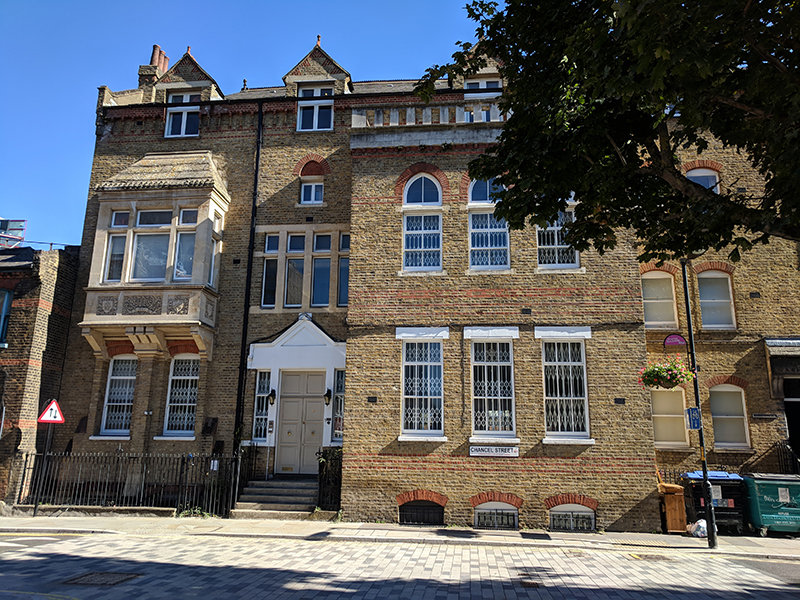
We continue to the west on another stretch of Union Street then make a circuit of Nelson Square before going north on Gambe Street. Scoresby Street takes us west again onto Blackfriars Road from where we switch back east via Dolben Street, Brinton Walk, Nicholson Street and Chancel Street. At the end of all this we arrive at no.45 Dolben Street which hosts a blue plaque marking this as the site of one of the London homes of Mary Wollstonecraft (1759 – 1797). Wollstonecraft is best known for the proto-feminist treatise A Vindication of the Rights of Woman (1792) but she was author of many other works including a history of the French Revolution. She was born in Spitalfields but led a peripatetic life before returning to London in 1788 to reside here in Southwark. Her other claim to fame is of course as the mother of Mary Godwin, the creator of Frankenstein. It was a fame she was destined never to experience herself as she died of septicaemia just ten days after giving birth to the future wife of the romantic poet, Percy Bysse Shelley.

IMG_20180927_130623

From Dolben Street we take a left into Bear Lane then cut through Treveris Street back to Chancel Street which is where the Philarmonia Orchestra are based. The Philharmonia was founded in 1945 by EMI producer Walter Legge but has been self governing since 1964. Finnish conductor and composer Esa-Pekka Salonen has been Principal Conductor & Artistic Advisor of the Orchestra, which has 80 player-members, since 2008.

IMG_20180927_131212

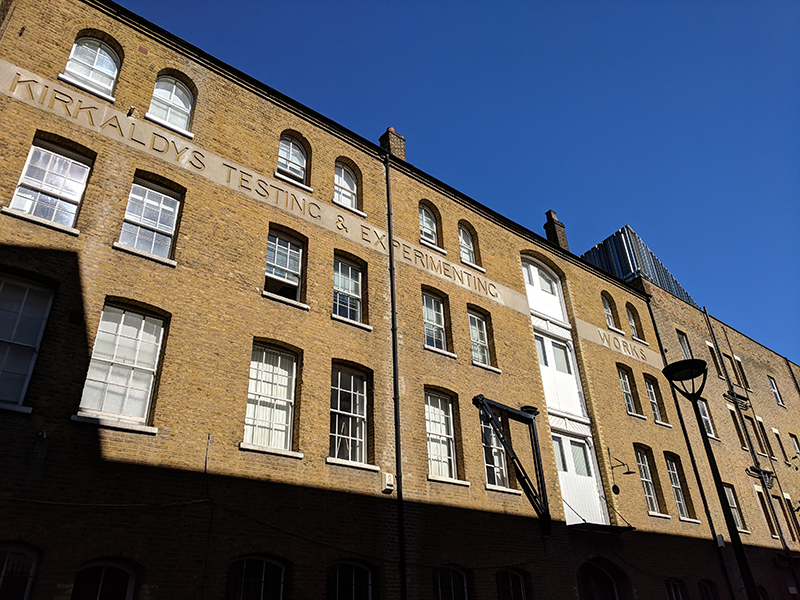
At the northern end of Chancel Street we initially turn left onto Burrell Street but then double-back under the railway.  At the end of Burrell Street we turn back onto Bear Lane and after a few paces southward switch east down Price’s Street which runs along the rear side of the Kirkaldy Testing Museum. David Kirkaldy (1820 – 1897) set up the Testing Works at 99 Southwark Street in 1874 to house the hydraulic tensile test machine which he had patented ten years earlier and had built at his own expense by the Leeds firm of Greenwood & Batley. The machine is 47 feet 7 inches (14.50 m) long and weighs some 116 tons and could theoretically test the strength of metal parts up to 450 tons in weight. The museum, which was established in 1983, is only open on the first Sunday of each month. The building (including the machine) has a Grade II listing.

IMG_20180927_132231

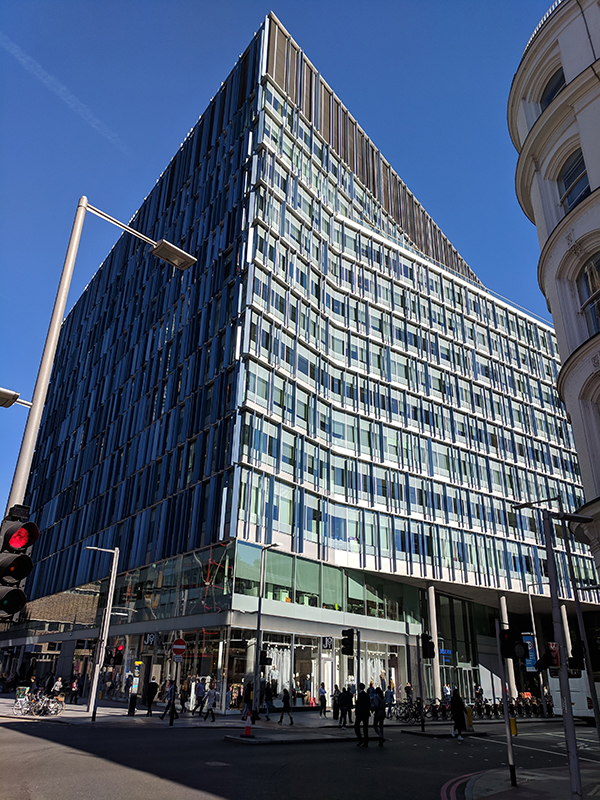
The eastern end of Price’s Street emerges onto yet another section of Great Suffolk Street. Turning south we call in on Farnham Place before revisiting Lavington Street which deposits us back on Southwark Street. As we head all the way back to Blackfriars Road we pass the Blue Fin building, completed in 2008 and so-named because its façade incorporates 2,000 vertical fins of varying blue colours to provide solar shading for the offices inside. It has been included in a Daily Telegraph list of London’s ugliest buildings but then that’s the Telegraph for you. I have visited the roof terrace in the past but it’s not generally accessible to the public. In any event its views have been largely rendered redundant by the Tate Modern extension (see below).

IMG_20180927_132344

Once on Blackfriars Road we head down to the river and along the Thames Path under Blackfriars Railway Bridge before leaving the riverside to take Hopton Street back to Southwark Street.

Hopton Street is home on its west side to what is genuinely one of London’s ugliest buildings. Sampson House was built in the late Seventies as a processing centre for Lloyds Bank but is currently leased to IBM who use it as a data centre. That lease (rent of £8m a year) has a mutual break clause exercisable in June 2018 and as a result its (no doubt slow) deconstruction to pave the way for new apartment blocks has already begun. Whether those blocks will be less of a blight on the skyline remains to be seen (though Sampson House does actually look quite fetching in this photo).

IMG_20180927_142743

By way of complete contrast, on the other side of Hopton Street are a collection of Grade II listed almshouses built in the 1740’s as homes for poor men of Southwark of good character.

IMG_20180927_142828

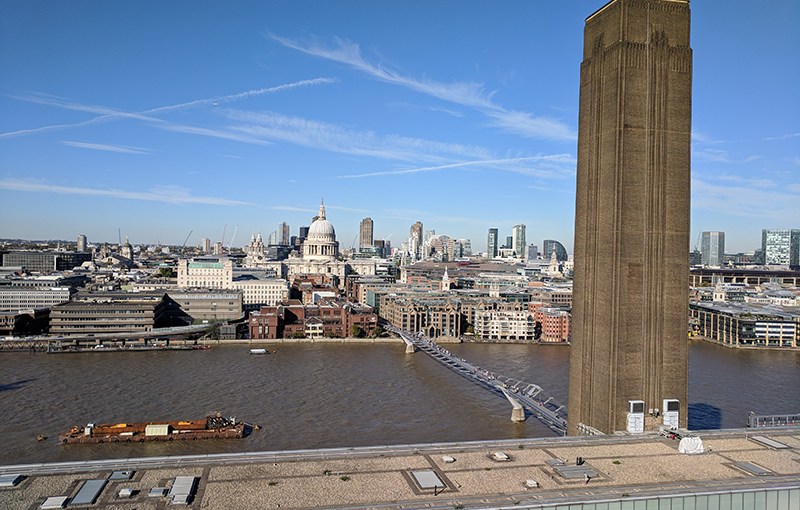
So for the final stretch of today’s tour we head back east on Southwark Street then negotiate Sumner Street and Holland Street to takes us to the entrance to Tate Modern. As pretty much everyone knows, Tate Modern was created out of a redevelopment of the Bankside Power Station which was built here across the river from St Paul’s Cathedral in two phases between 1947 and 1963. The power station was designed by, our old friend, Sir Giles Gilbert Scott and consisted of a stunning turbine hall, 35 metres high and 152 metres long, with the boiler house alongside it and a single central chimney. However by 1981 the facility was no longer in service apart from a single London Electricity sub-station and in 1994 the Tate trustees selected this as their preferred site for a separate new gallery focusing on modern and contemporary art. Swiss architects, Herzog and De Meuron were appointed to oversee the conversion of the building.

This slideshow requires JavaScript.

Since it opened in May 2000 Tate Modern has become one of the UK’s top three tourist attractions and welcomed more than 40 million visitors. That electricity substation (now under the control of EDF Energy) continued to occupy the southern third of the building but the western half of this holding was released to the Tate in 2006 and plans were put in place to build a tower extension over the old oil storage tanks. The ten-storey 65m high Switch Tower was opened to the public in June 2016.  The design, again by Herzog & de Meuron, has been controversial. It was originally designed with a glass stepped pyramid, but this was amended to incorporate a sloping façade in brick latticework (to match the original power-station building) despite planning consent to the original design having been previously granted by the supervising authority. In May 2017 the Switch House was formally renamed the Blavatnik Building, after Anglo-Ukrainian billionaire Sir Leonard Blavatnik, in recognition of his “substantial contribution” towards the £260m cost of the extension.
This slideshow requires JavaScript.

For once the timing of my visit was fortuitous as the museum is currently playing host to one of my favourite ever things, Christian Marclay’s epic work The Clock.  24-hours long, the installation is a montage of thousands of film and television images of clocks, edited together so they show the actual time. During several years of rigorous and painstaking research and production, Marclay collected together excerpts from well-known and lesser-known films including thrillers, westerns and science fiction which he then edited so that they flow in real time. If you’ve never seen any of it I would urge you to do so; you have until 20 January 2019.


Day 55 – The Cut – St George’s Circus – London Road – Borough Road – Blackfriars Road

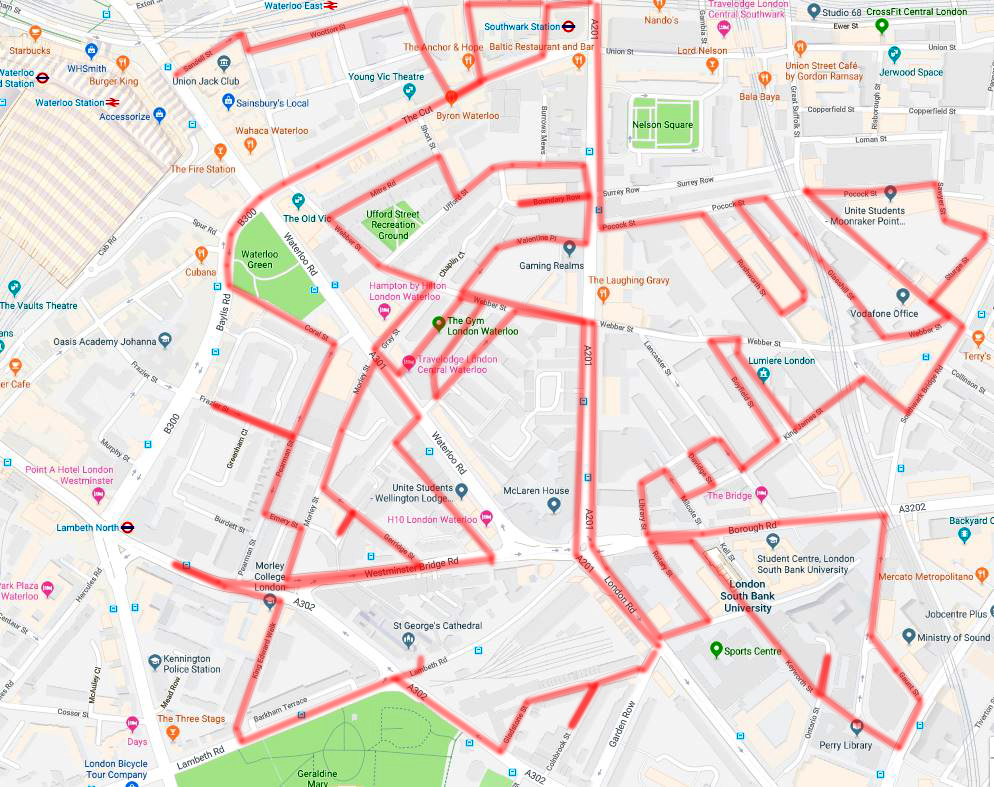
I think it’s fair to say that just about everywhere I’ve visited so far during this project is a places I’ve been to at least once before during the thirty odd years I’ve been resident in the London Metropolitan Area. Today’s foray however took me to some locations that I had genuinely never set eyes on before (and to be honest am unlikely to ever again). We’re taking about the area to the south and east of Waterloo stretching almost as far from the river as the wilds of the Elephant & Castle.

Day 55 Route

For the third and final time we set out from Waterloo Station, taking Sandell Street to the east then hopping over Cornwall Road into Wootton Street. At the end of this we turn right on Greet Street and pay a brief first visit to The Cut before turning left down Hatfields. On reaching the railway track we follow leafy Isabella Street east in front of the parade of restaurants that now occupy the railway arches.

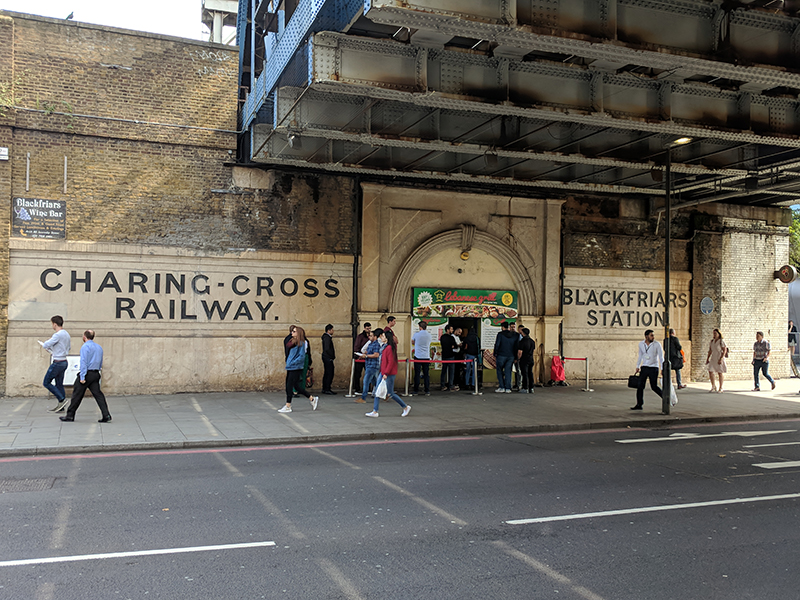
At the far end Joan Street dog legs left past the lumpen monstrosity that is Colombo House, a 1969-built outpost of the BT empire. We follow Joan Street back to Hatfields and then take Meymott Street east onto Blackfriars Road. The building below, 209-215, was refurbished as recently as 2011 but is apparently under threat of demolition as part of Southwark Council’s plans to turn the Blackfriars area into an extension of the City.

IMG_20180830_132047
IMG_20180830_132217
Just before the railway bridge we cut down an alleyway (unofficially known as Falafel Alley due to its being home to a number of Turkish foodstalls) and utilise this and the top section of Joan Street to circumvent Southwark Tube Station in returning to The Cut which we then follow west all the way back to Waterloo Station. First point of interest en route is the Anchor and Hope pub, rebuilt here in 1936. The name, Anchor and Hope, and also its reverse which is more frequently encountered supposedly have a biblical origin, being a reference to a quotation from the Letter to the Hebrews (6: 19), “We have this as a sure and steadfast anchor of the soul, a hope”.

IMG_20180830_132619

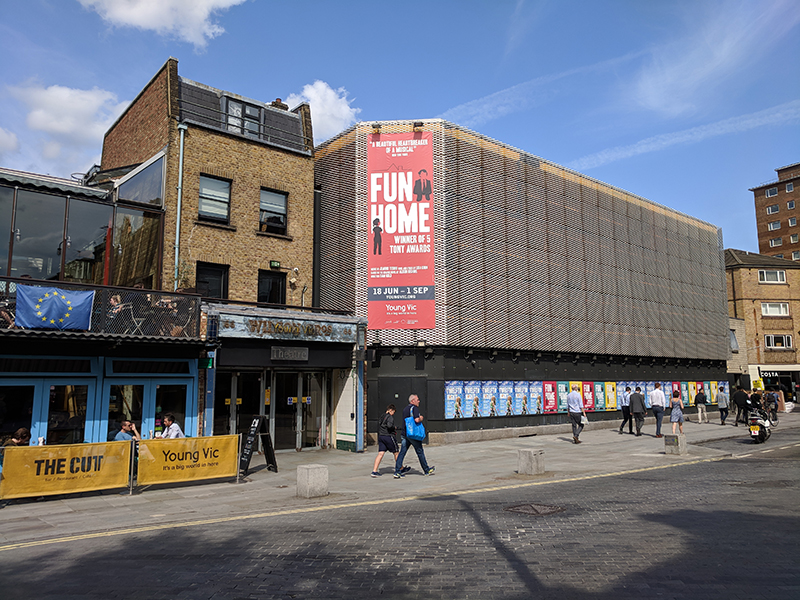
A short way further up on the same side of the street is the Young Vic theatre. The Young Vic Theatre Company was formed as an offshoot of the Old Vic (in the days when that was the home of the National Theatre) with a remit to produce classic plays for young audiences and also develop more experimental work. Its first Director, Frank Dunlop, oversaw the construction of the theatre building in 1970, taking over a butcher’s shop and extending onto a bomb-site where 54 people sheltering in a bakery had died in WW2. It was intended to last for five years, but has become a permanent venue.
The Young Vic primarily performs classic plays, but often in innovative productions. Many well-known actors have worked here including Ian Charleson, Vanessa Redgrave, Helen Mirren, Judi Dench, Timothy Dalton, Robert Lindsay, Willard White, John Malkovich, Michael Sheen and Arthur Lowe.
The Who performed free weekly concerts at the Young Vic in early 1971 in order to rehearse their  album, Who’s Next. One of these shows was released on the Deluxe edition of the album. Between 2004 and 2006 the old breeze-block building was rebuilt, though the main auditorium was left intact and the butcher’s shop was retained as the main entrance and the box office.

IMG_20180830_132813

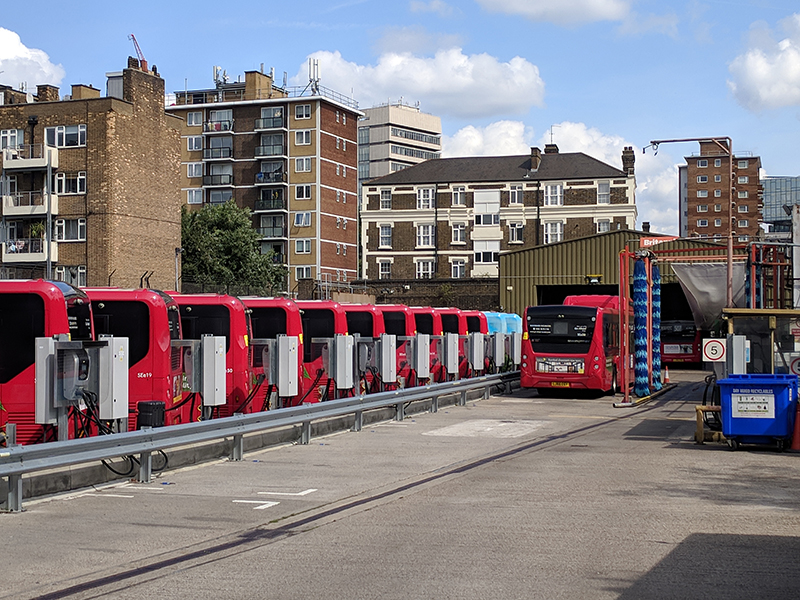
Just before we get to the end of The Cut we take a quick detour off to the right down the southern-most section of Cornwall Road. Down here are the sleeping quarters for the single-decker 521 and 507 buses which link Waterloo Station with its mainline counterparts at London Bridge and Victoria respectively.

IMG_20180830_133134

Back up on The Cut we come to the Old Vic theatre, standing on the corner with Waterloo Road. A theatre was first established here in 1818 and known as the Royal Coburg Theatre. In 1833 it was renamed the Royal Victoria Theatre and in 1871 was rebuilt and reopened as the Royal Victoria Palace. It was then taken over by the philanthropist Emma Cons (1838 – 1912) in 1880 and formally named the Royal Victoria Hall, although by this time it was already known as the “Old Vic”. In 1898, a niece of Cons, Lilian Baylis (1874 – 1937), the force behind Sadler’s Wells, assumed management and began a series of Shakespeare productions from 1914 onward. The building was damaged in 1940 during air raids and it became a Grade II listed building in 1951 after it reopened. As noted in the last post, the Old Vic was the first home of the National Theatre from 1963 up until 1976. In 1982 the theatre was put up for sale through a sealed bid. Canadian entrepreneur Ed Mirvish outbid Andrew Lloyd Webber and spent £2.5 million restoring the building. The facade of the building was based on an 1830 engraving while the auditorium was modelled on the designs of 1871. In 1998 the Mirvish family put the theatre on the market. Suggestions for changing it into a themed pub, a bingo hall or a lap-dancing club provoked widespread outrage and protests, in response to which, it was acquired by The Old Vic Theatre Trust 2000, a registered charity. In 2003 it was announce that the theatre would recommence in-house production (rather than just being a home for visiting productions) with Kevin Spacey appointed as the first Artistic Director of the newly created Old Vic Theatre Company. Spacey’s tenure ended in 2015 and we all know what’s happened subsequently. Following an initial allegation of sexual misconduct against Spacey by actor Anthony Rapp up to 20 employees of the Old Vic have come forward with similar complaints of unwanted advances. To put it mildly, not exactly what the Old Vic would have wanted as it celebrates its 200th anniversary in 2018.

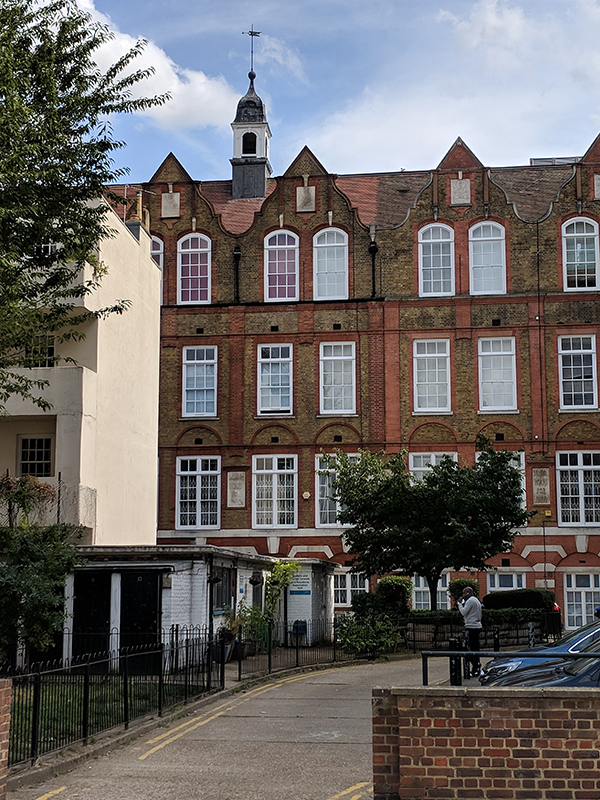
Passing the theatre we cross Waterloo Road into Baylis Road, named after Lilian, and then on the other side of Waterloo Green turn south down Coral Street. At the end we take a right into Pearman Street and, after a quick dip into Frazier Street, follow this down as far as Emery Street which links through to the parallel running Morley Street emerging opposite the former Webber Row School which was built in 1877 at the height of the Victorian era. Grade II listed since 1988 it’s now the Chandlery Business Centre.

IMG_20180830_134329

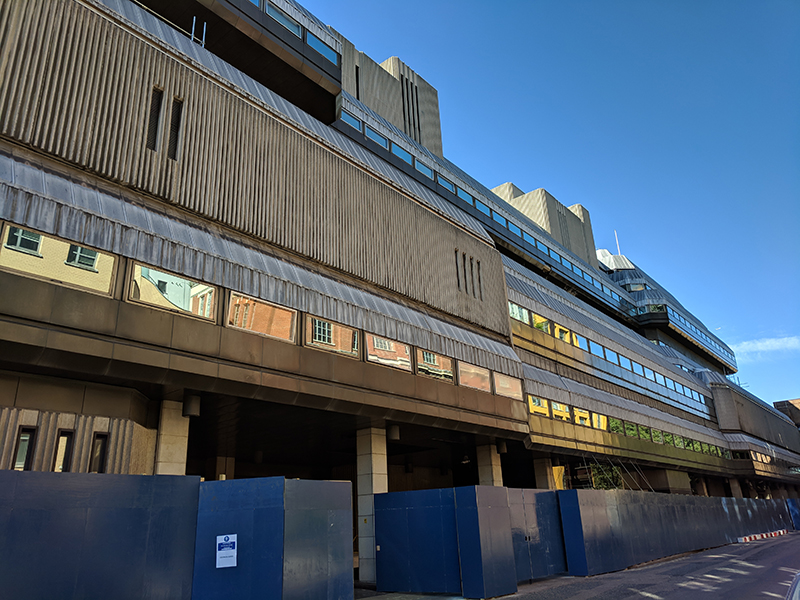
We follow Morley Street into Westminster Bridge Road and turn east as far as Gerridge Street which reconnects with Morley Street via Dibdin Row. Morley Street then takes us back to Waterloo Road from where we close the loop courtesy of Webber Row and Dodson Street.  Having arrived back on Westminster Bridge Road we strike north until we get to the Perspective Building at no. 100 then double back. In its former guise as Century House this was the home of the Secret Intelligence Service (SIS) aka MI6 from 1964 to 1994.  The Secret Service’s occupation of the building was supposedly classified information but according to the Daily Telegraph it was “London’s worst-kept secret, known only to every taxi driver, tourist guide and KGB agent”. Century House was described as “irredeemably insecure” in a 1985 National Audit Office (NAO) report with security concerns raised in a survey i.e. the building was made largely of glass, and had a petrol station at its base. MI6 moved to Vauxhall Cross in 1994 (if you’ve seen Skyfall you know what an upgrade in security that was).  Century House was refurbished and converted into the residential Perspective Building by Assael Architecture in 2001.

IMG_20180830_135743

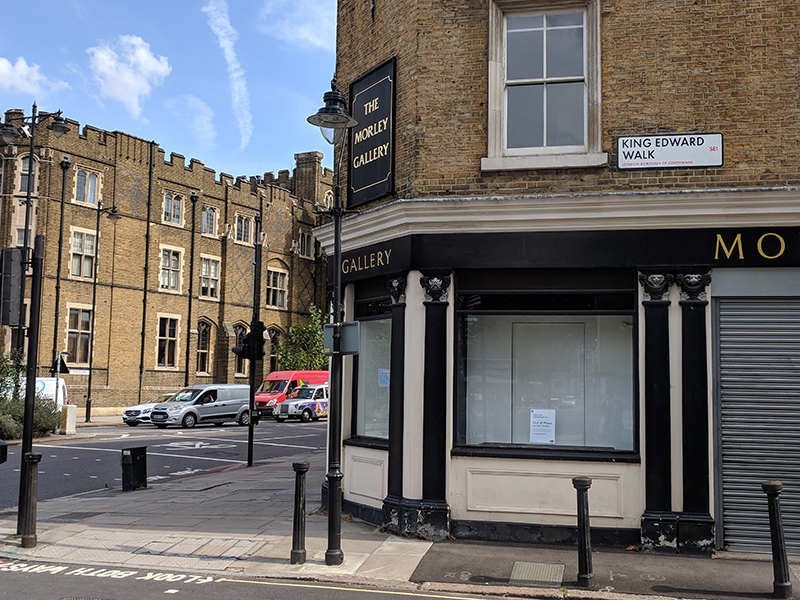
Returning southward along Westminster Bridge Road we arrive at Morley College, currently under redevelopment. Morley College is one of the main adult education centres in London; it was founded it the 1880’s and currently serves around 11,000 students. The college’s origins lie in the series of “penny lectures” introduced by the aforementioned Emma Cons as part of the programme of the Royal Victoria Hall when she took that over. The success of these led to the founding of the College thanks to an endowment from the MP, Samuel Morley. The College has been long renowned for its Music Department; Gustav Holst was Music Director from 1907 to 1924 and Michael Tippett held the same post from 1940 to 1951.

IMG_20180830_140003

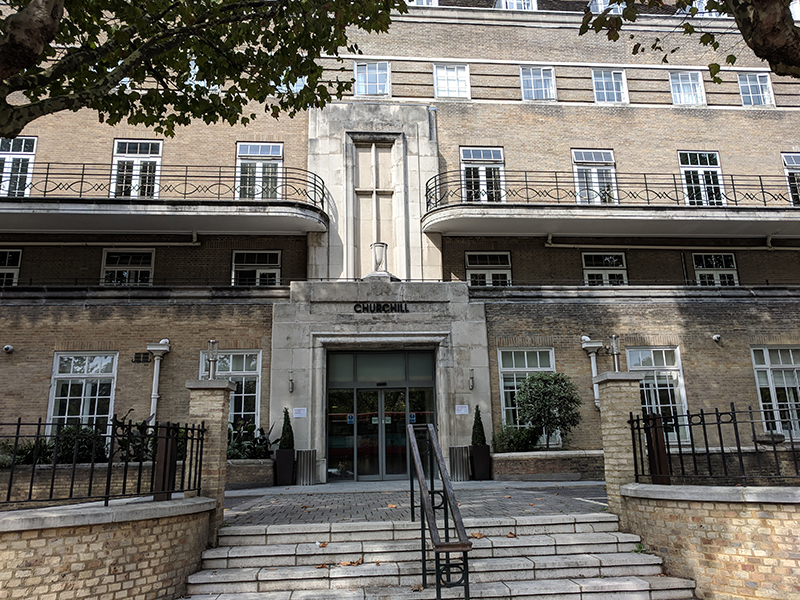
Turning the corner by the College we head down King Edward Walk until we reach Lambeth Road and turn left here, continuing on the opposite side of the road from the  grounds of the Imperial War Museum. Inset off the road here is Barkham Terrace which is mainly comprised of the building which now houses the Cambian Churchill mental health rehabilitation hospital. You wouldn’t know this from the outside though – I assumed it was just another residential conversion. The building dates from 1940 when it was opened as the Catholic Hospital of Our Lady of Consolation in Southwark. At the time the Catholic Herald described it as “ a splendid six-storey hospital whose creamy facade brightens the drabness of Lambeth Road”.

IMG_20180830_140237

At the junction of Lambeth Road and St George’s Road stands the Roman Catholic St George’s Cathedral, Southwark. St George’s was built in 1848 prompted by the swelling of the local congregation thanks to the influx of Irish immigrants into the area. Four years later it became one of the first four Catholic churches in England and Wales (and the first in London) to be raised to cathedral status since the English Reformation.  It was designed by Augustus Pugin (1812 – 1852), famous for his work with Charles Barry on the design of the rebuilt Houses of Parliament. Pugin was the first person to be married in the church, to his third wife Jane. The Cathedral was extensively damaged by an incendiary bomb during WW2. After the war (the fabulously named) Romilly Craze was commissioned to take charge of the rebuilding and the restored Cathedral was opened in 1958. Since then it has resumed its role as a focal point in the local community and has played host to many notable visitors, including the Dalai Lama (1998) and Pope John Paul II (1982), the latter being depicted in one of the Cathedral’s many fine stained-glass windows.

This slideshow requires JavaScript.

After our visit to the church we head south on St George’s Road towards Elephant & Castle. Having passed Notre Dame High School for Girls, founded by the Sisters of Notre Dame de Namur in 1855, we turn off to the left down Gladstone Street.

Gladstone Street and its offshoot, Colnbrook Street, are the epitome of the gentrification of this part of south London with their smartly done-up early Victorian terrace properties.
IMG_20180830_142543

This is reinforced by today’s pub of the day, the Albert Arms, which sits on the corner of Gladstone Street and Garden Row just across from the converted Ice Cream Factory. The gastro-pub menu isn’t really conducive to light lunchtime eating but it was gone 2.30pm and I was starving so I felt compelled to stump up £6.50 for three very small pulled-pork croquettes. In the Gents they’ve put up a framed poster of that lady tennis player scratching her bare bottom – I assume this is hipster irony.

IMG_20180830_142951

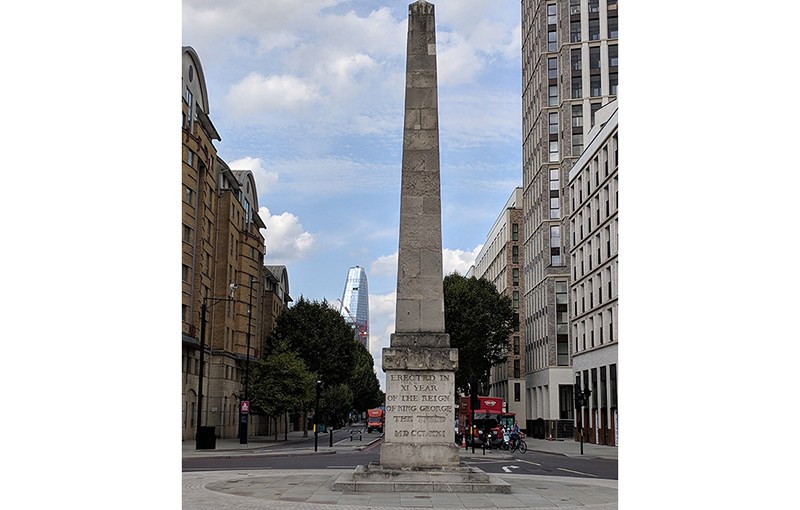
Having finished the aforementioned croquettes (and half a lager) I venture out onto London Road and take a northward turn, past several far more suitable eating spots, up to St George’s Circus. This nexus of five main arterial roads was created in 1771 as the first purpose-built traffic junction in London. Initially the middle of the roundabout was adorned by an obelisk with four oil lamps affixed to it but in 1905 this was relocated to in front of the Imperial War Museum and was replaced by a new clocktower. However by the 1930’s the clocktower was deemed a “nuisance to traffic” and was demolished. It took until the late 1990s before the obelisk was returned to its original location, now without the oil lamps. At the base of the obelisk is the inscription Erected in XI year of the reign of King George MDCCLXXI, with the inscriptions on the other three sides reflecting the obelisk’s one-mile distance from Palace Yard, London Bridge and Fleet Street.

This slideshow requires JavaScript.

Crossing over the Circus we continue north up Blackfriars Road for some distance before turning off west along Webber Street which is on the far side of another of the Peabody Estates we’ve become familiar with.

IMG_20180830_150521

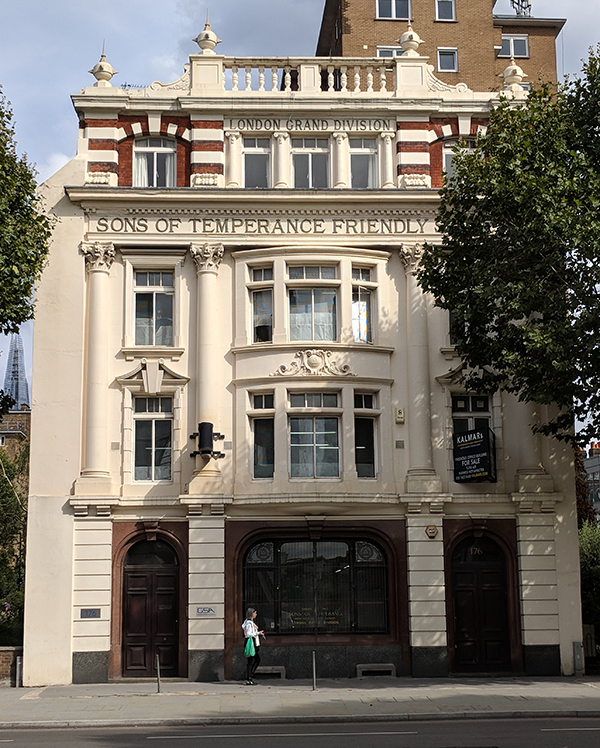
We’re heading back down towards the Old Vic now, criss-crossing between Webber Street and Waterloo Road by way of Webber Row, Baron’s Place and Gray Street. Just before we reach the theatre we take a sharp right onto Mitre Street and then navigate our way back to Blackfriars Road via Short Street and Ufford Street. At no.176 Blackfriars Road is the rather splendid (former) Sons of Temperance Friendly Society Building. The Order of the Sons of Temperance (SOT) was established in New York in 1842 as a teetotalist friendly society, with the dual aim of sustaining its members in a teetotal way of life, and of providing them with a modicum of financial security in case of ill-health, and their families with an insurance payment in the event of their death. The organisation, conceived on Masonic principles with lodges, insignia and rituals, overseen by a Supreme Patriarch, soon spread to other US states and to several Canadian provinces, and had amassed 100,000 members by 1847. The first UK lodges were established in Liverpool and other northern cities in the late 1840s, and in 1853 a National Division of Great Britain was formed. Within this were numerous Grand Divisions, the largest of which, based in London but with branches as far afield as Ipswich and Reading, commissioned the building of 176, Blackfriars Road as its headquarters in 1909-10 with Arthur Charles Russell as architect. The SOT only moved out in 2011 two years after which the building, now occupied by an architect’s practice, was Grade II listed.

IMG_20180830_152502

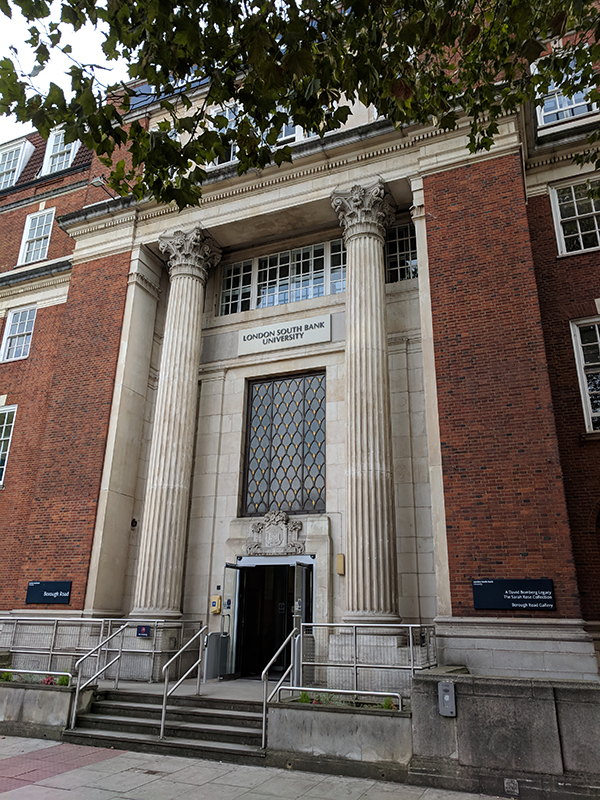
From here on there’s still a lot of streets to cover though not much to detain us en route so we’ll crack on. First off we work our way back to St George’s Circus passing through Boundary Row, Chaplin Close, Valentine Place and Webber Street then retracing our steps up Blackfriars Road. We then return to London Road and head off to the east side starting with Thomas Doyle Street, named after the founder of St George’s Cathedral (check the earlier slideshow for his memorial). This is the first of the streets that fall within the triangle created by London Road, Southwark Bridge Road and Borough Road, the others being Rotary Street, Keyworth Street, Ontario Street and Kell Street. Once we’ve tramped round that lot we end up on Borough Street by the entrance to London South Bank University, an institution which started life as the Borough Polytechnic Institute in 1892.

IMG_20180830_155227

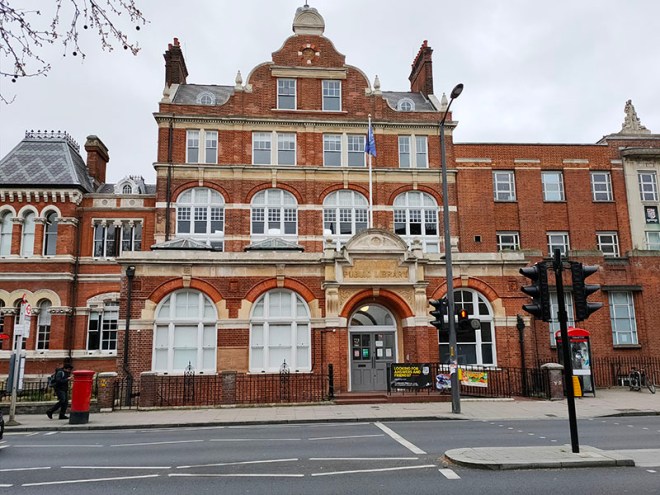
On the other side of the road is another of the public libraries funded by the Victorian philanthropist (word of the day that) John Passmore Edwards. Most of these were built in the East End (we came across the one in Pitfield Street, Hoxton way back in Day 24). This one dates from 1899 and is currently unoccupied save for the presence of  “guardians” installed by the Camelot vacant property services company so its future is uncertain.

Traversing the area between Borough Road and the eastern stretch of Webber Street to the north takes us, in turn, through Library Street, Milcot Street, King James Street, Lancaster Street, Boyfield Street, Silex Street and Belvedere Buildings. The only thing to draw the eye amongst all that lot is this building, the Peabody Gateway Centre, and even that isn’t interesting enough for anyone to have recorded any information about it.

IMG_20180830_155826

Anyway, after all that we find ourselves back on Southwark Bridge Road from where we’re crossing between Webber Street to the south and Pocock Street to the north taking in Great Suffolk Street, Surge Street, Sawyer Street, Glasshill Street, King’s Bench Street and Rushworth Street. Final picture of the day is of Blackfriars Crown Court on Pocock Street which, earlier this year (2108), the Ministry of Justice announced plans to close and sell off. The site is valued at £32m on the Government’s National Asset Register.

IMG_20180830_161026

And so the very final leg of today’s marathon takes us from Pocock Street back onto Blackfriars Road and up to Southwark Tube Station. The tube station stands on the site of the Blackfriars Ring boxing arena that was bombed out of existence in 1940. The Ring arena was originally called the Surrey Chapel, built in 1783, until the strange shaped building was bought by former British Lightweight champion Dick Burge in 1910. Together with his wife Bella they staged many boxing matches including well known fighters such as Len Johnson, Jack Drummond, Alf Mancini, Jack Hood and the legendary Ted ‘Kid’ Lewis. This is all commemorated by the Ring public house that stands opposite the station on the other corner of The Cut and Blackfriars Road.