Day 81 – Knightsbridge – Brompton Road – Exhibition Road

We’ve switched the focus back west again this time with another visit to the Royal Borough of Kensington and Chelsea; specifically, the area immediately south of Hyde Park in between Sloane Street and Exhibition Road. It’s a packed programme which includes visits to Harrods (somewhat reluctantly), the V&A Museum and the Brompton Oratory.

We begin at Knightsbridge Underground Station, which was originally built in 1906 in the classic Leslie Green style. In the 1930’s, coinciding with the introduction of escalators, a new ticket hall and entrance were incorporated into the building on the corner of Brompton Road and Sloane Street and an additional entrance, closer to Harrods, was created with a long subway linking the two. The photographs below show the original familiar ox-blood tiling on display in Hooper’s Court and Basil Street. In 2017 a new step-free access to the tube station from Hooper’s Court was given the go-ahead but as of the time of writing construction of this is still “on-going”.
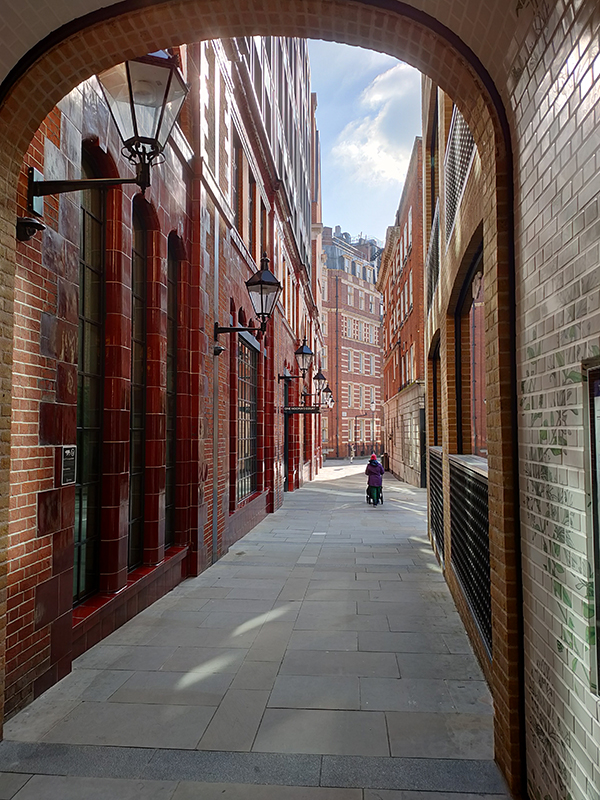
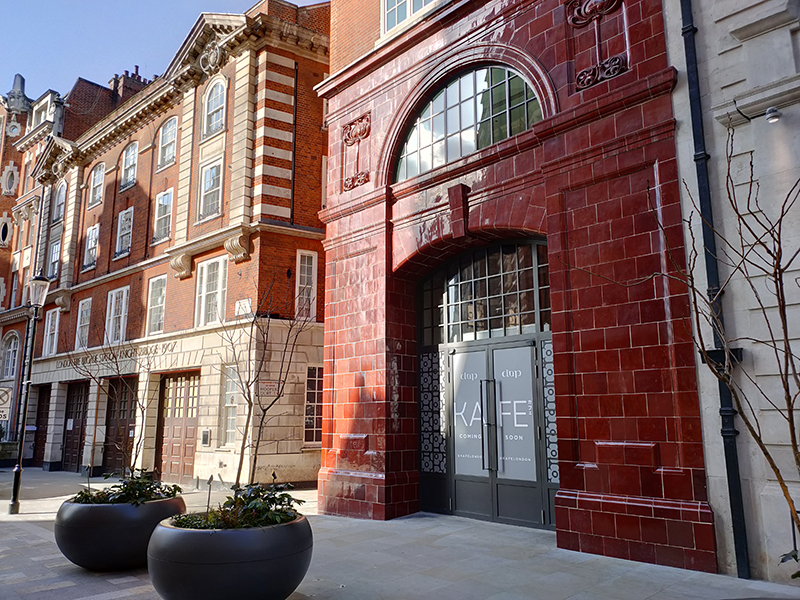
As it happens, 2017 was when this blog last found itself in this vicinity (Day 46 to be precise) and, memory being what it is, the first part of today’s walk ends up being something of a reprise. From the Harrods exit we proceed up the Brompton Road, cut down Hooper’s Court into Basil Street and then work our way around Rysbrack Street, Stackhouse Street, Pavilion Road, Hans Crescent, Hans Road, Herbert Crescent, Hans Street and the eastern wing of Hans Place. Things kick off in earnest on the west side of Hans Place which is where you’ll find the Ecuadorean Embassy.

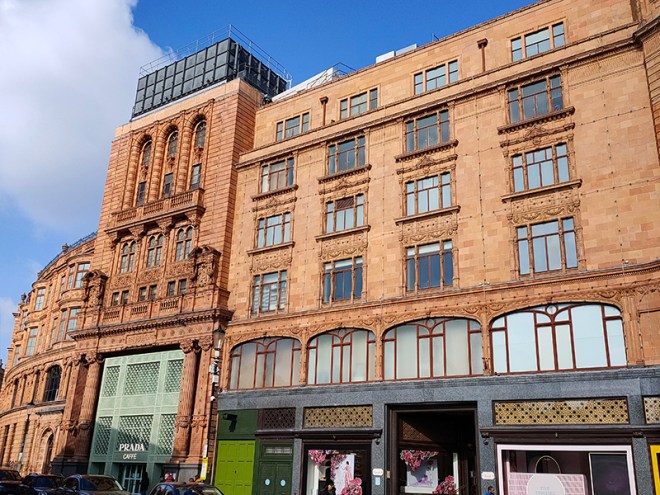
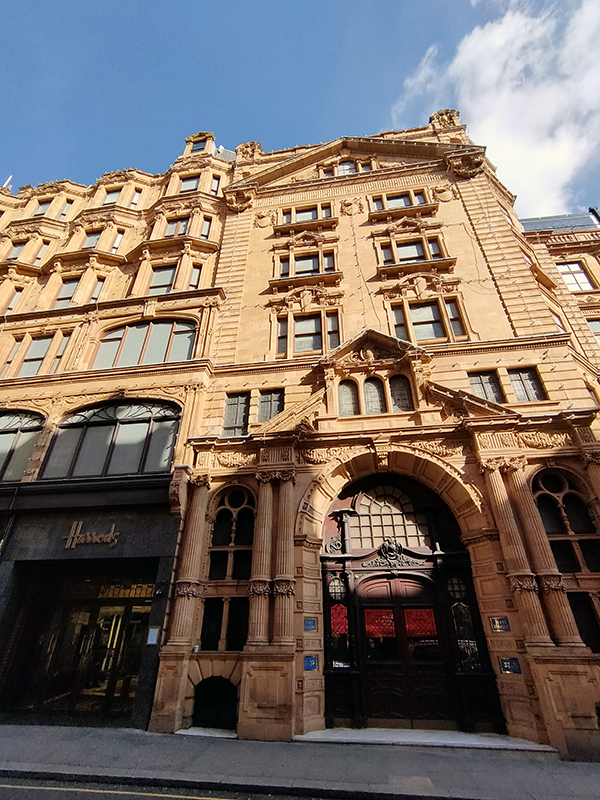
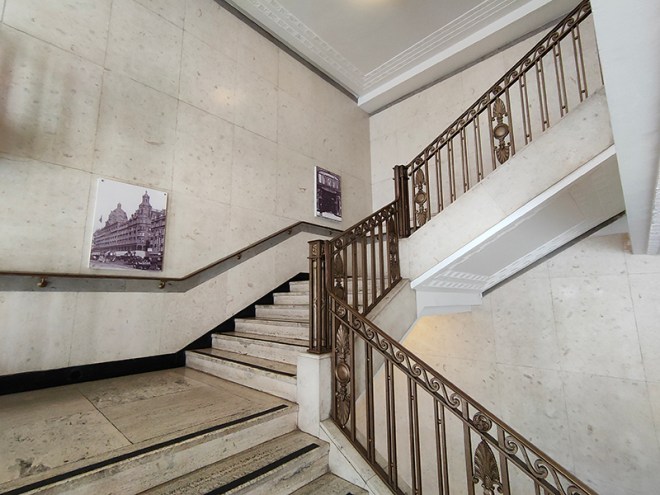
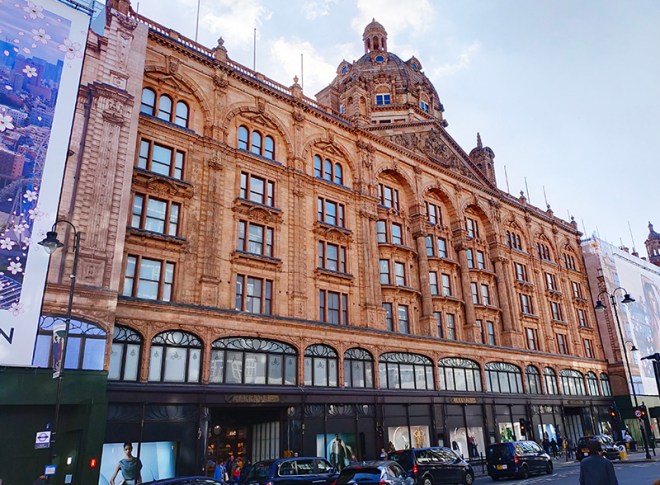
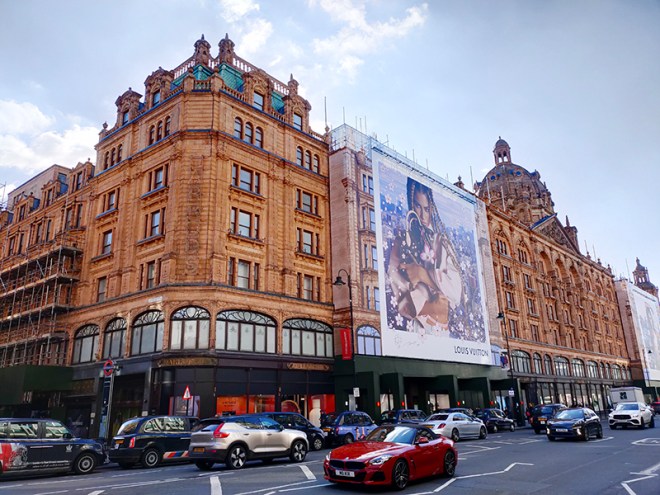
I didn’t fully comprehend the scale of Harrods until I walked all the way around its outside. Occupying a 20,000 square metre site with a total selling space, across 7 floors, of over 100,000 square metres this is the largest department store in Europe. The business was established by Charles Henry Harold (1799 – 1885), initially in Southwark, then relocating to the Brompton Road in 1849 and expanding rapidly from a single room to a collection of adjoining buildings. When those buildings burnt to the ground in 1883 the current building was swiftly erected on the same site. Designed by architect, Charles William Stephens, the new store had a palatial style, featuring a frontage clad in terracotta tiles adorned with cherubs, swirling Art Nouveau windows and was topped with a baroque-style dome.
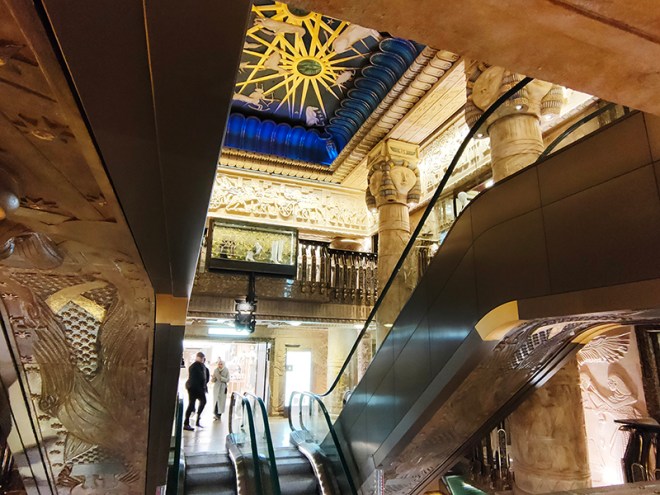
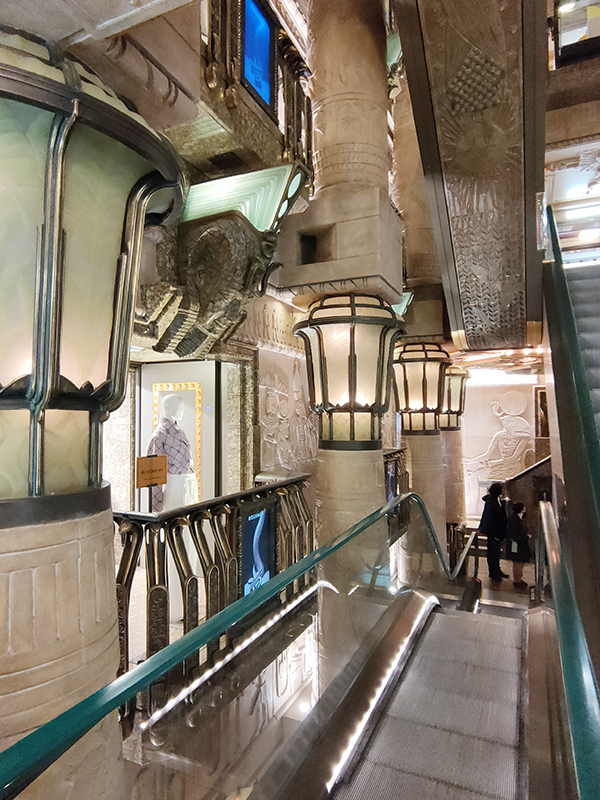
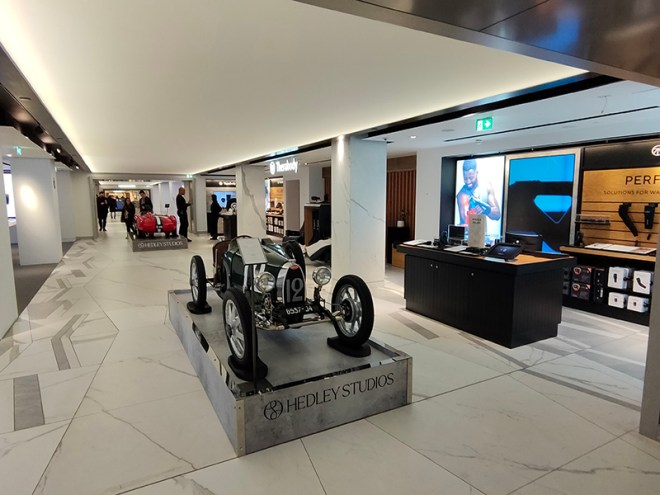
In 1899 the company went public and remained independent until 1959 when it was acquired by and merged into House of Fraser. In 1985 HoF fell into the private ownership of the Al-Fayed Brothers after a bitter struggle with Tiny Rowlands’ Lonrho Group. When HoF was relisted in 1994 Harrods was split off and became a private company once again. In 1989, Harrods introduced a dress code for customers and among the would-be patrons who fell foul of this were both Kylie Minogue and Jason Donovan, a Scout troop, a woman with a Mohican hair cut and the entire first team of FC Shakhtar Donetsk. This no longer appears to be enforced by the current owners, the Qatari Investment Authority, who bought out the now thoroughly disgraced Mohamed Al-Fayed in 2010. As already noted, I had qualms about stepping inside Harrods especially as its key interior feature, the Egyptian-themed central escalator was commissioned by Al-Fayed, whose face adorns the many pharaonic statues you pass. However, it is a tour-de-force of kitsch excess so, as long as you don’t actually buy anything, it’s worth experiencing as a one-off.
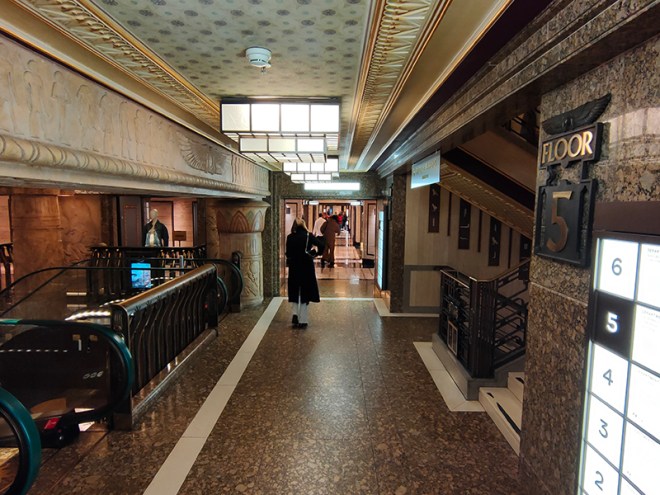
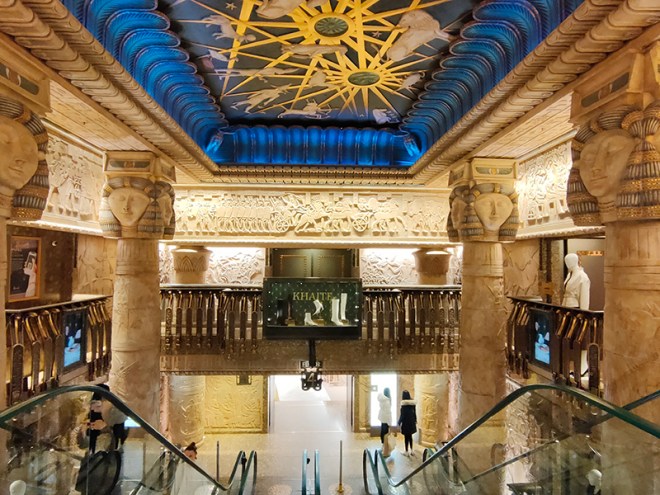
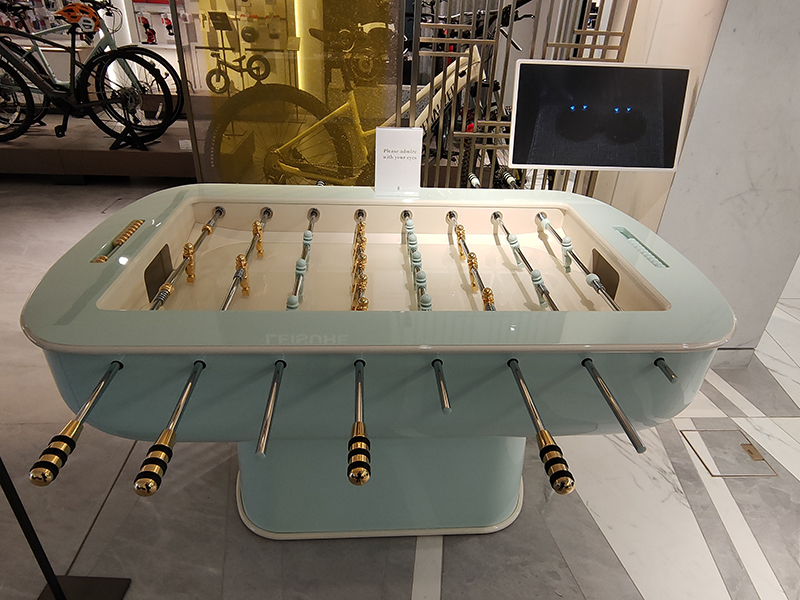
The store wasn’t exactly heaving and, aside from visitors from the Gulf petro-states, it’s hard to see who would be interested in buying stuff here that is available far cheaper elsewhere. There is, of course, merchandise which is unique to this particular emporium but surely even the tackiest of billionaires would baulk at throwing away £25,000 on this.
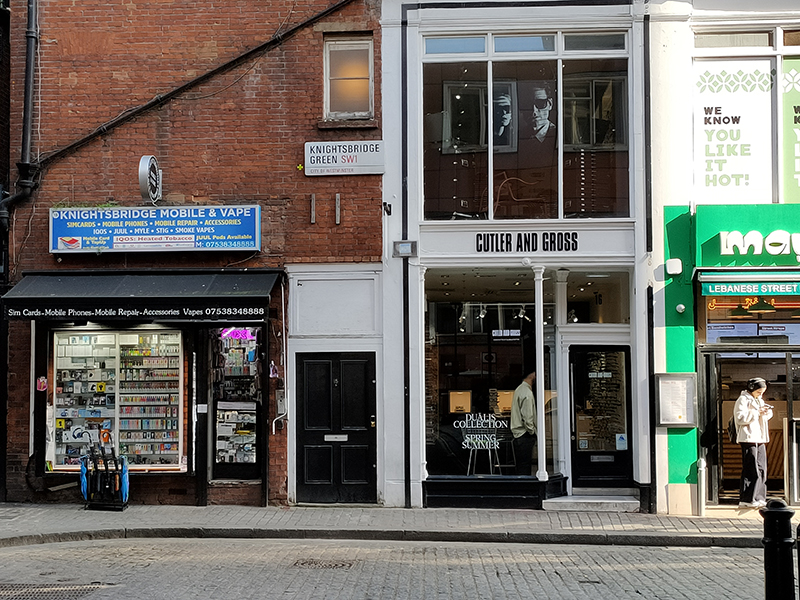
Having entered Harrods from the Hans Road entrance I exited via the main entrance on Brompton Road and headed back towards the tube station before cutting through Knightsbridge Green onto Knightsbridge (the road). There’s absolutely no trace of greenery on Knightsbridge Green but it does boast one of these (yes even here).
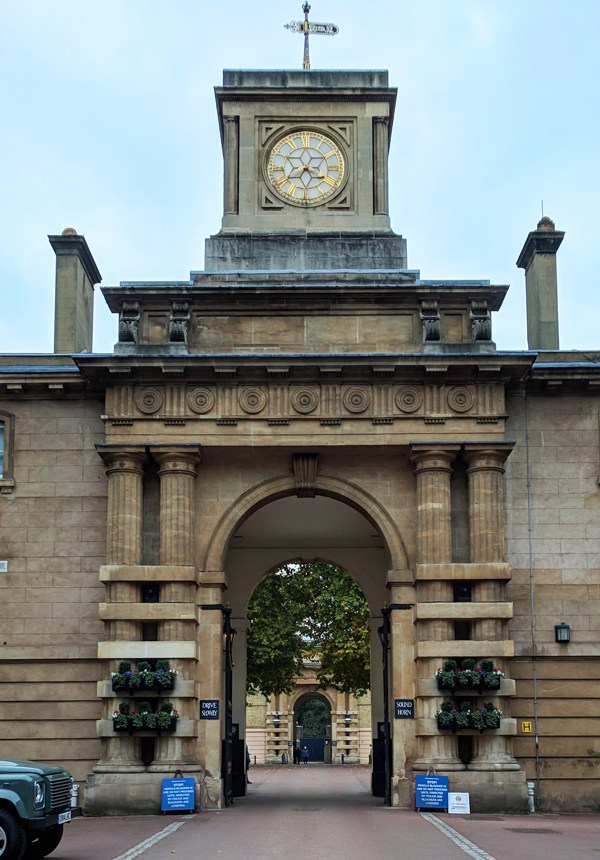
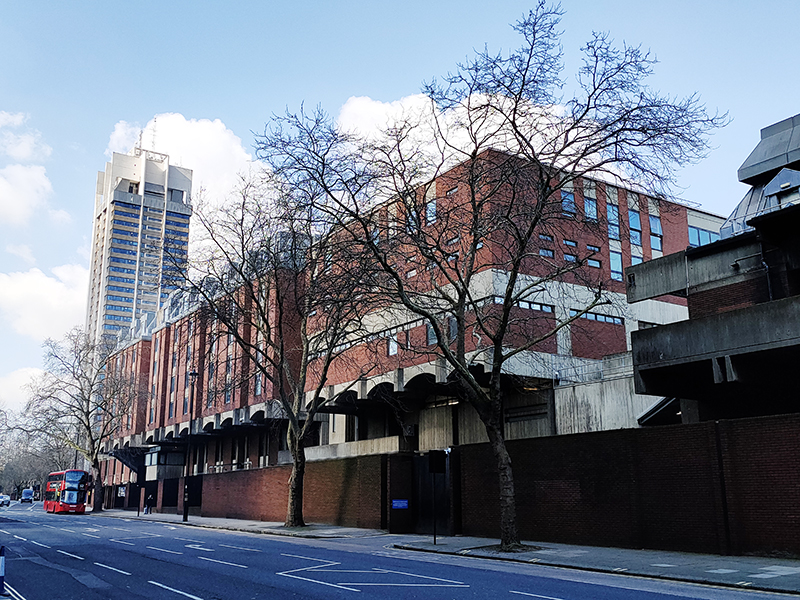
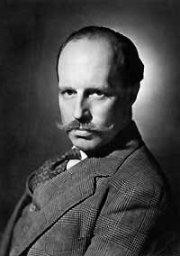
Once out onto Knightsbridge we’re confronted by the blot on the horizon that is the Hyde Park Barracks (aka Knightsbridge Barracks). This site, only 1.2km from Buckingham Palace, has been a home to the Horse Guards since 1795 but the current buildings, designed by Sir Basil Spence (1907 – 1976), were completed in 1970. They provide accommodation for 23 officers, 60 warrant officers and non-commissioned officers, 431 rank and file, and 273 horses. The most prominent feature is the 33-storey, 94-metre residential tower. The barracks have been described as “the ugliest building in London” by critic A.A Gill and were voted no.8 in a list of Britain’s top ten eyesores compiled from a poll of the readers of Country Life magazine. Loath as I am to align myself with either I find it hard to disagree.
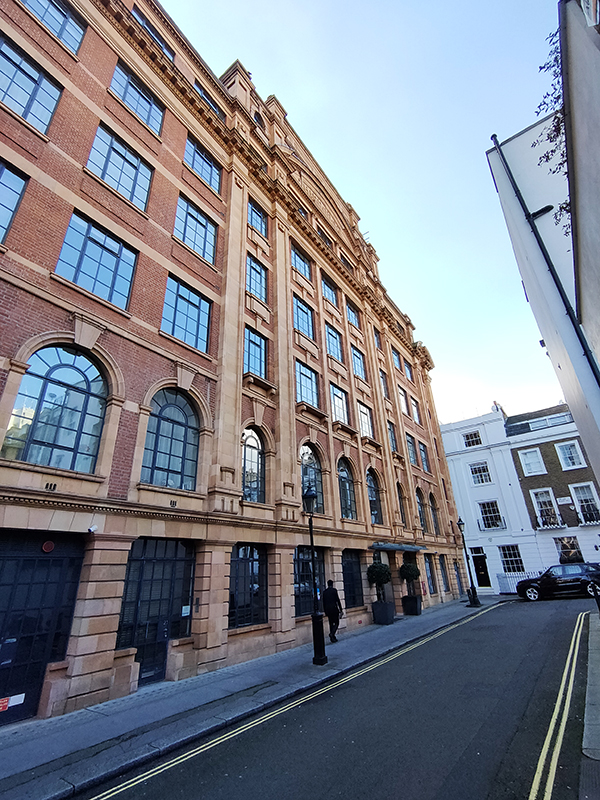
Heading south on Trevor Street we enter Trevor Square, the first of many, many residential squares built around private gardens that we’ll encounter today. This one dates from the 1820’s and is named after Arthur Hill-Trevor, 3rd Viscount Dungannon who agreed to demolish his Powis House in 1811 to make way for the new development. At the southern end stands the former Harrods Depositary building which was subject to a residential redevelopment in 2002.
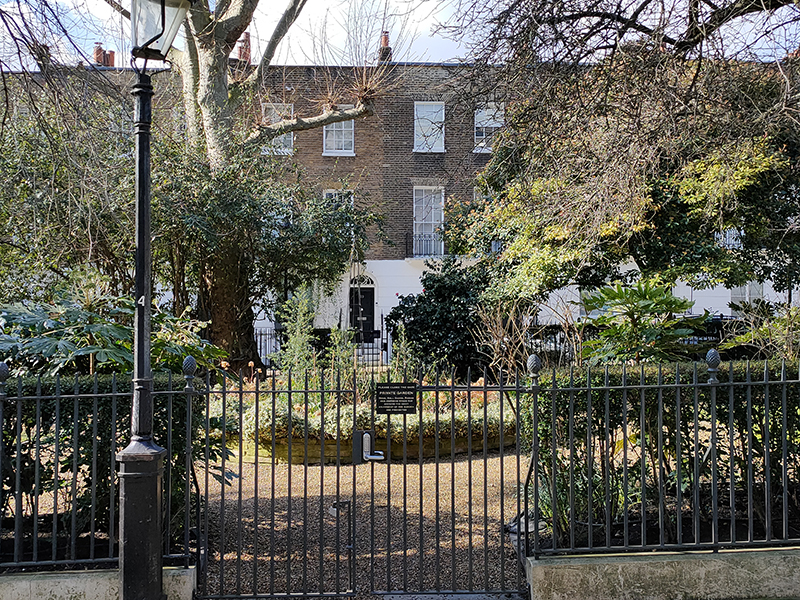
From Trevor Square we loop round Lancelot Place and Raphael Street back onto Brompton Road then follow Trevor Place up to Knightsbridge once more. Next stop, continuing west, is Rutland Gardens at the far end of which is the Turkish consulate. I assume none of the several Bentleys parked end to end down the street are related to this but I could be mistaken.
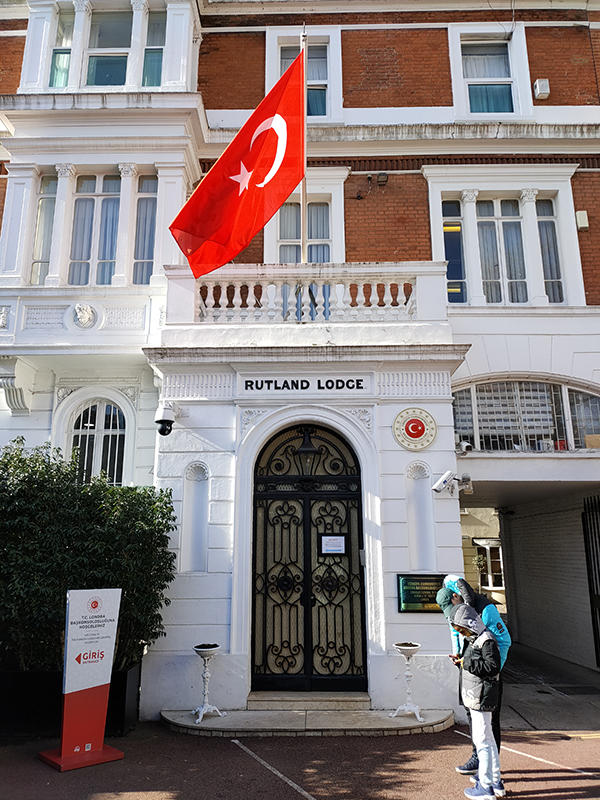
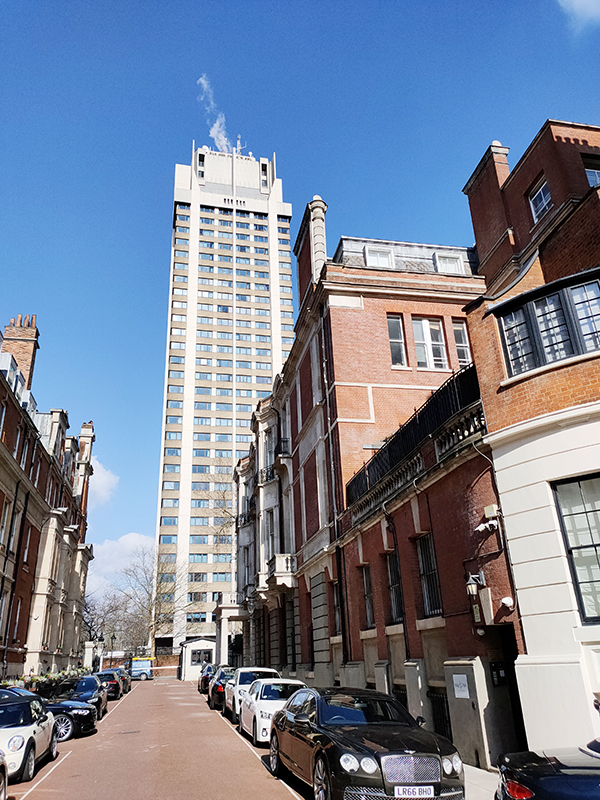
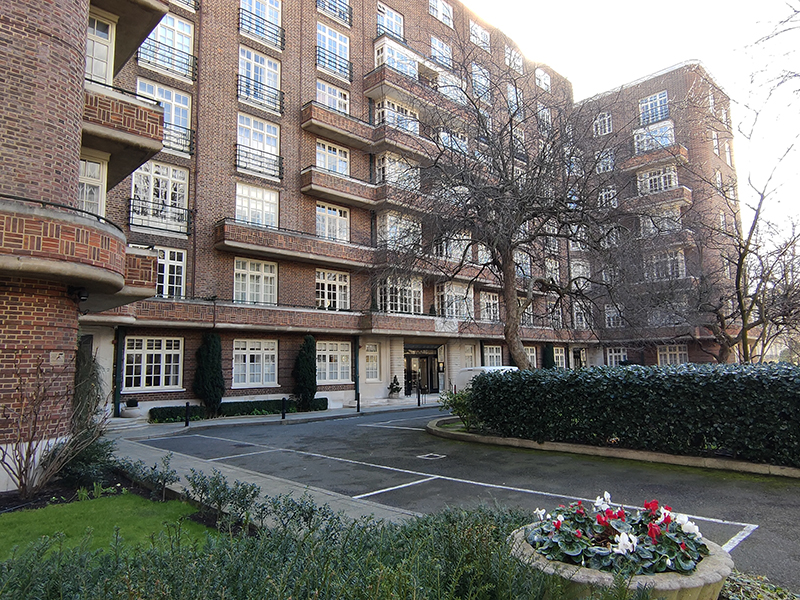
We return to Knightsbridge and as it merges into Kensington Road we turn south on Rutland Gate. Proceeding down the eastern section of this two-pronged thoroughfare we pass the Grade II Listed Eresby House from 1934.
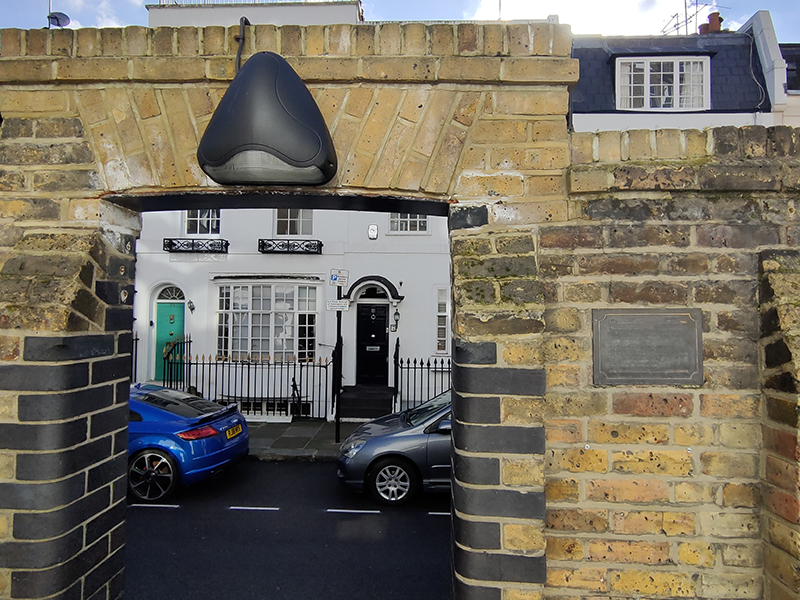
At the bottom of Rutland Gate we turn left into Rutland Mews East which we exit from onto Rutland Street via “The Hole In The Wall” which is explained thus in the metal plaque on the wall beside it. This boundary wall of the Rutland Estate was destroyed by a bomb, during World War II, on 25 September 1940. At the request of residents a right of way was established when the wall was rebuilt by the City of Westminster in 1948 and has come to be known as ‘the hole in the wall.
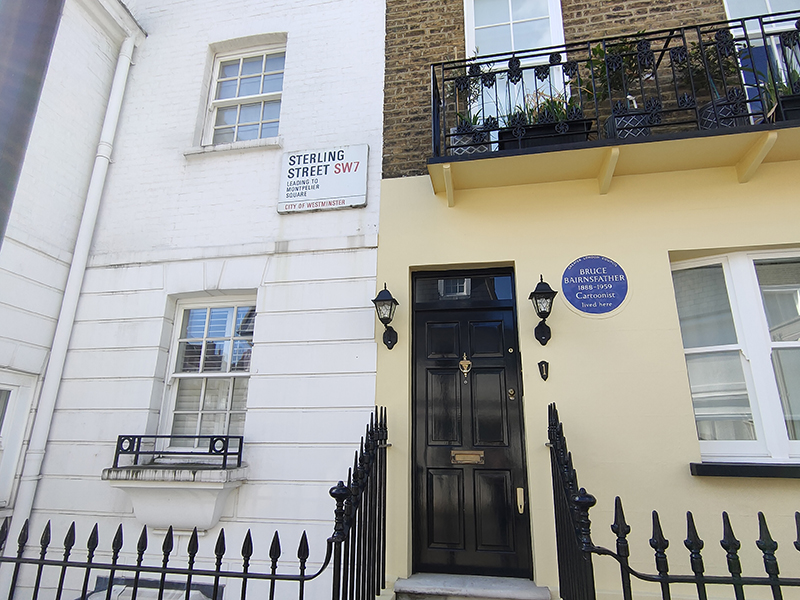
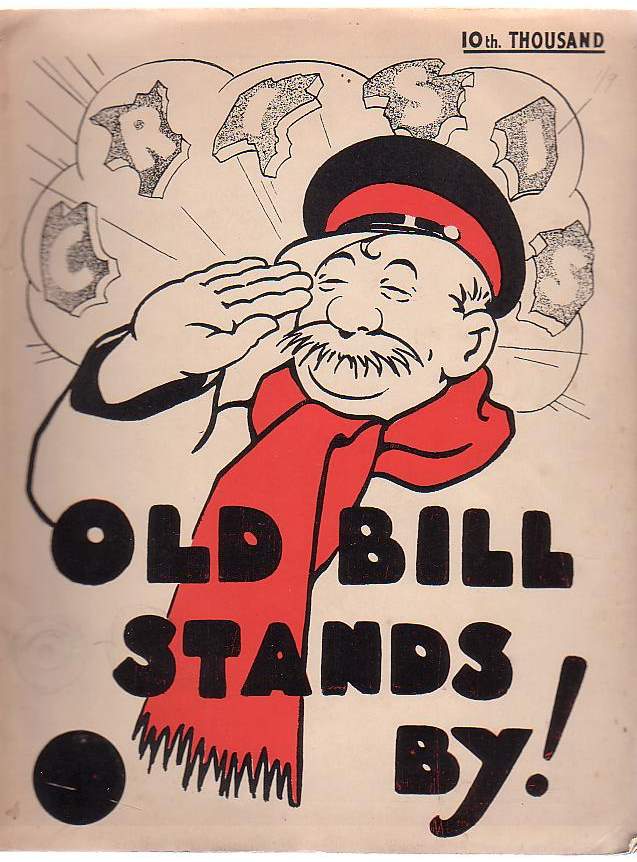
Heading up Montpelier Walk we swing right into Montpelier Square and circumnavigate this get to Sterling Street. No.1 Sterling Street has a blue plaque commemorating the humorist and cartoonist, Bruce Bairnsfather (1887 – 1959). Bairnsfather was commissioned into the Royal Warwickshire Regiment in 1914 as a second lieutenant and served with a machine gun unit in France until 1915, when he was hospitalised with shell shock sustained during the Second Battle of Ypres. While in recovery he developed his humorous series for the Bystander weekly tabloid about life in the trenches, featuring “Old Bill”, a curmudgeonly soldier with trademark walrus moustache and balaclava. The character became hugely popular during WW1, a success that continued through the inter-war years. And because many police officers at that time sported a similar type of facial hair it is probable that he was the inspiration for the police becoming known as “The Old Bill”.
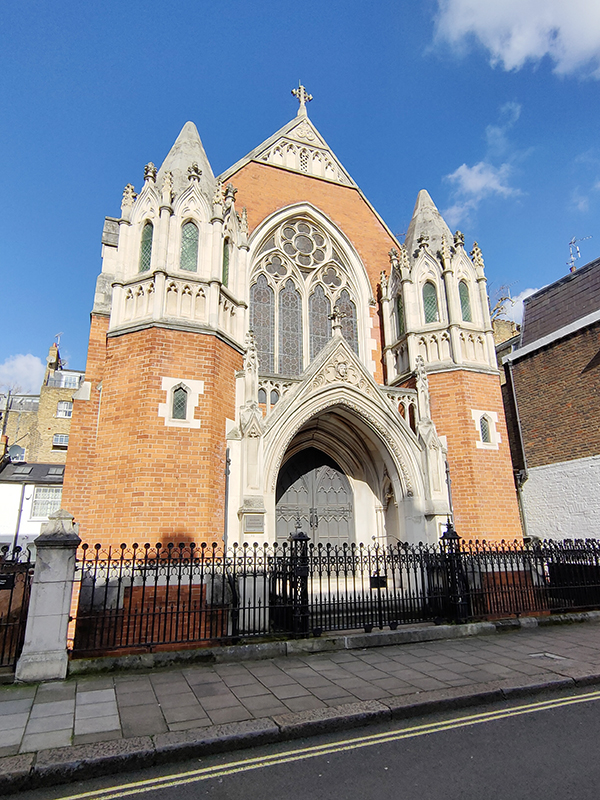
Turning into Montpelier Place we pass the Deutsche Evangelische Christuskirche, established in 1904 to serve West London’s German Lutheran community. It was funded by Baron Sir John Henry Schroder (neé von Schröder) who had moved to England at the age of 16 to join the London office of the eponymous Merchant Banking firm created by his father. He was awarded his Baronetcy in 1892. The dedication of the church was attended by two of Queen Victoria’s grand-daughters and one of her sons-in-law.
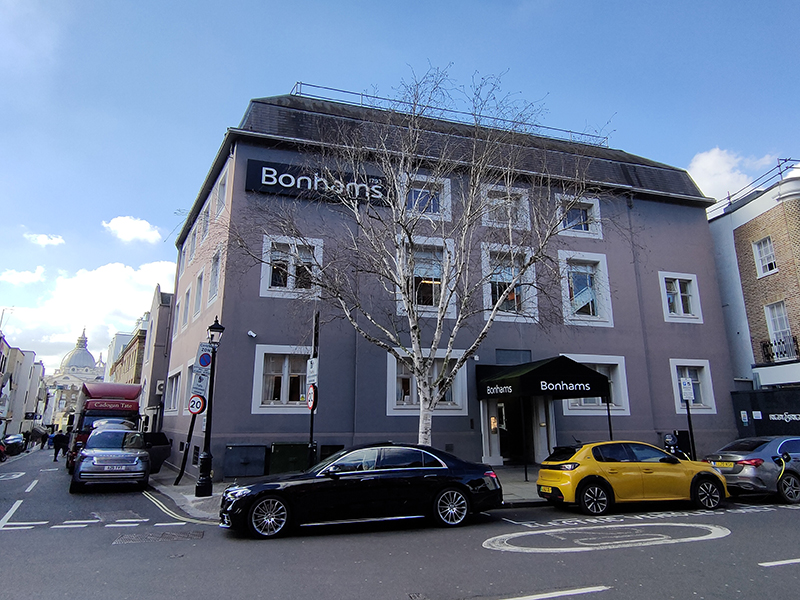
Following Montpelier Street back towards the Brompton Road we turn west onto Cheval Place just after Bonham’s Auctioneers. This is the international firm’s second auction house in London, after the flagship saleroom in Bond Street. The presence of a chauffeur-driven car parked on double yellow lines tends to be the rule rather than the exception in this part of town.
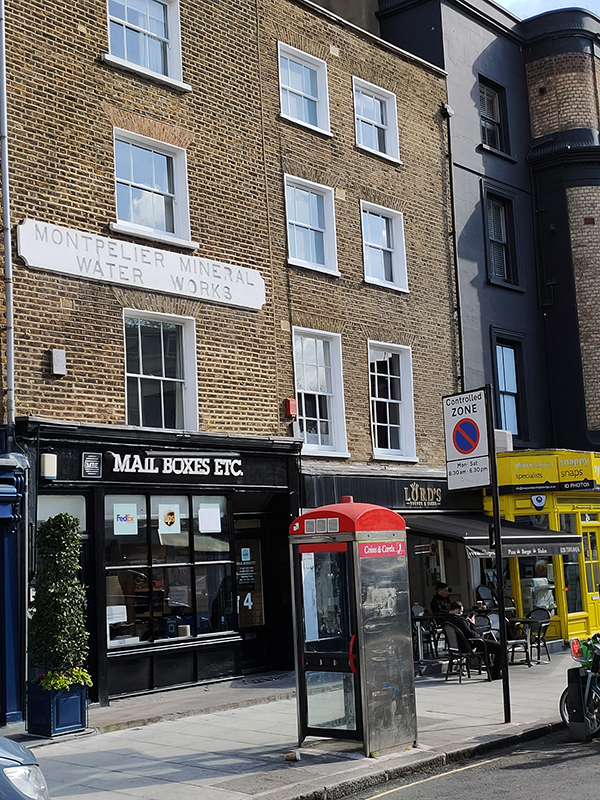
On the other side of Montpelier Street there’s a sign on one of the buildings that reads Montpelier Mineral Water Works. Unfortunately, I haven’t been able to discover anything about this save that Montpelier Mineral Water was a genuine product once upon a time.
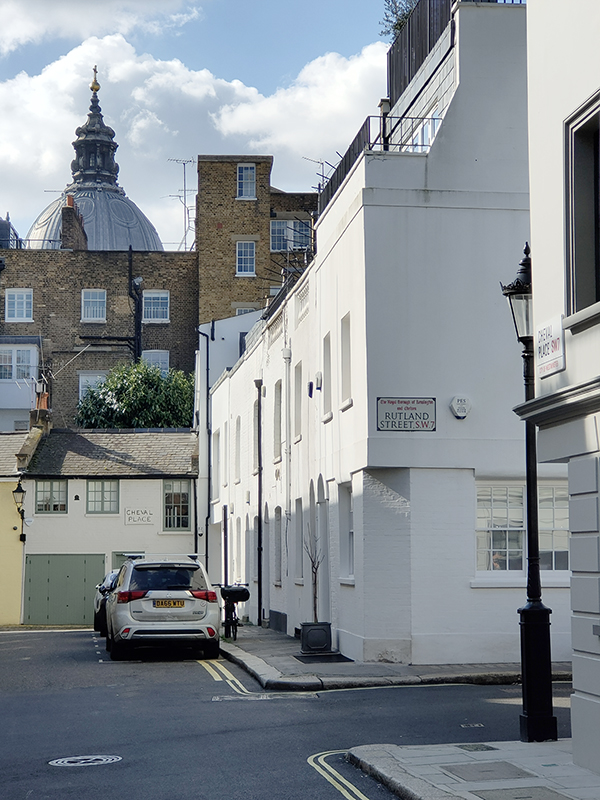
Anyway, back to Cheval Place which runs parallel to the Brompton Road and affords a view of the dome of Brompton Oratory, of which more later.
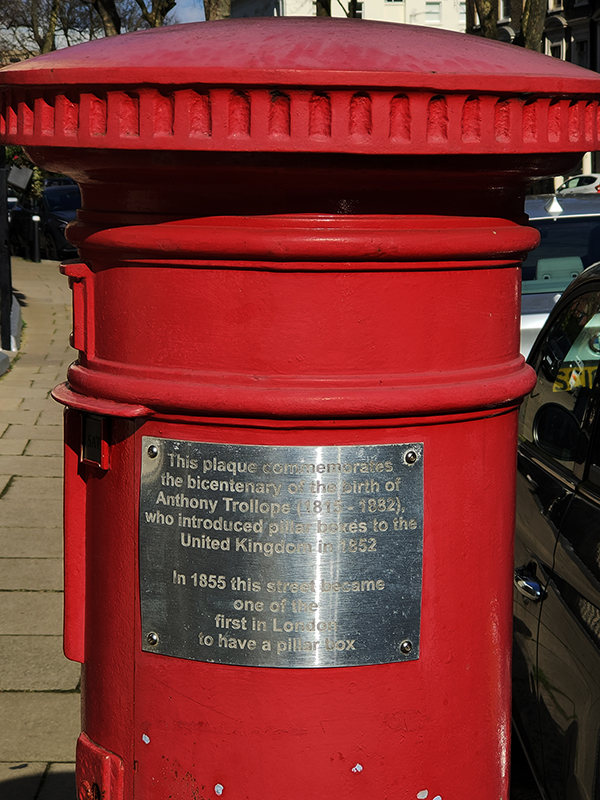
After a quick look at Fairholt Street we follow Rutland Street back round to the Hole In the Wall and on the other side make our way up the other leg of Rutland Gate. About half way up is one of several postboxes in London adorned with a plaque commemorating the bicentenary of the birth of novelist Anthony Trollope (1815 – 1882). In 1850’s, Trollope worked as a surveyor in the Post Office (going on to attain a senior position within the management hierarchy. At that time letters had to be taken to the local receiving house (early form of post office) or handed to a Bellman who walked the streets in uniform, ringing a bell to attract attention. Trollope was given the task of finding a solution to the problem of collecting mail on the Channel Islands where the usual practice was proving unsatisfactory. He recommended a device he may have seen in use in Paris: a “letter-receiving pillar” out of cast iron and around 1.5m high. The first four such pillar boxes were erected in David Place, New Street, Cheapside and St Clement’s Road in Saint Helier in 1852. In the beginning, there was no standard design for the boxes and numerous foundries created different sizes, shapes and colours. In 1859, a bronze green colour became standard on the basis that this would be unobtrusive. However, it soon became clear that it was too unobtrusive, since people kept walking into them and red became the standard colour in 1874.
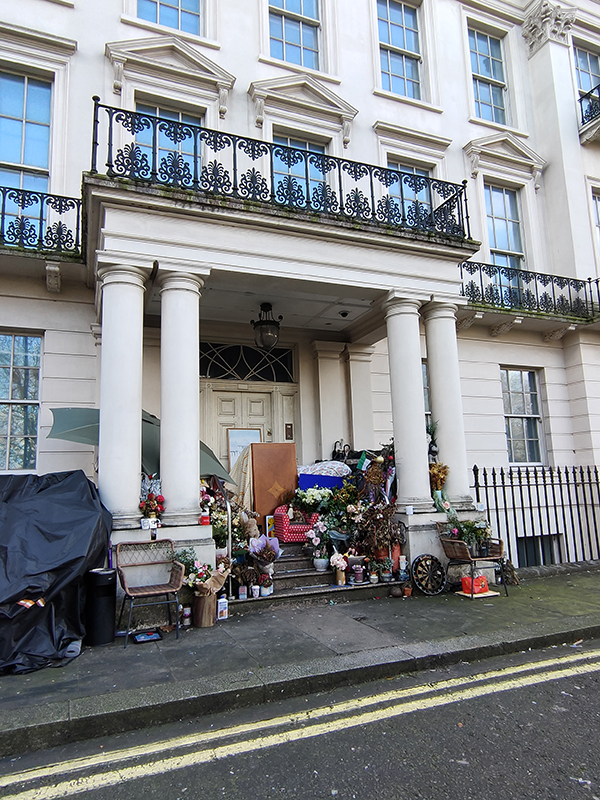
Arriving at the junction of Rutland Gate and Knightsbridge we encounter something of a mystery. 2–8a Rutland Gate is a large white stuccoed house originally built as a terrace of four houses in the mid 19th-century and converted into a single property in the 1980s. In 2012, the house was described as having seven storeys and 45 bedrooms, with a total size of 5,600 m2 and including a swimming pool, underground parking, several lifts, bulletproof windows and substantial interior decoration of gold leaf. In April 2020, it was bought by a Chinese businessman for a reputed £210 million, making it quite probably the most expensive house ever sold in the UK. But then in 2022 it was reported that it had been put on the market again. Either way it doesn’t look like anyone is in residence at the present time although someone has made themselves at home out front.
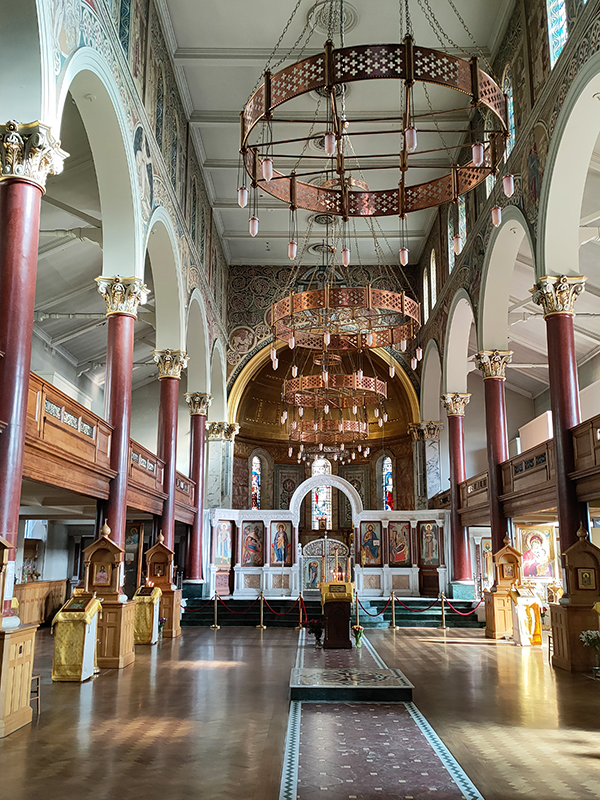
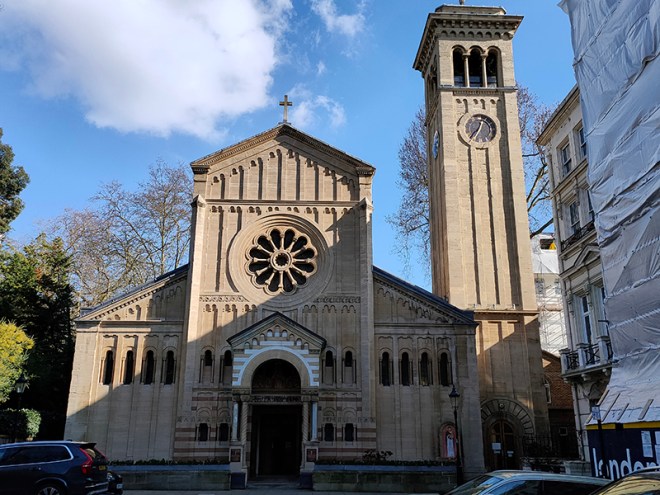
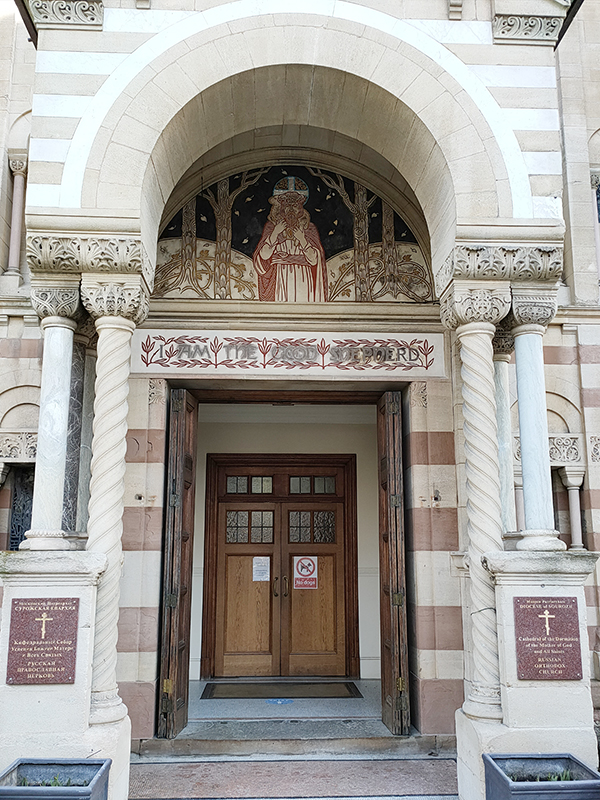
We continue west along Princes Gate and turn south into Ennismore Gardens on the east side of which we find the Russian Orthodox Cathedral of the Dormition of the Mother of God and All Saints home to the Russian Orthodox Diocese of Sourozh. This former Anglican church dates back to 1849 when architect Lewis Vulliamy proposed a design in the Lombard style instead of the conventional Gothic of the time. His vision wasn’t fully realized for lack of finance but in 1891 the church was remodelled such that the main façade is a very close copy of that of the Basilica of San Zeno in Verona. In the mid-1950’s the building was let to the Russian Orthodox Church and in 1978 the Sourozh Diocese bought it outright. It has a Grade II* listing. The interior is very lavish with plenty of gold (leaf) on show and filled with icons (which they ask you not to photograph up close). There are also a large number of framed texts, which my A Level Russian from nearly half a century ago allows me to read but not understand.
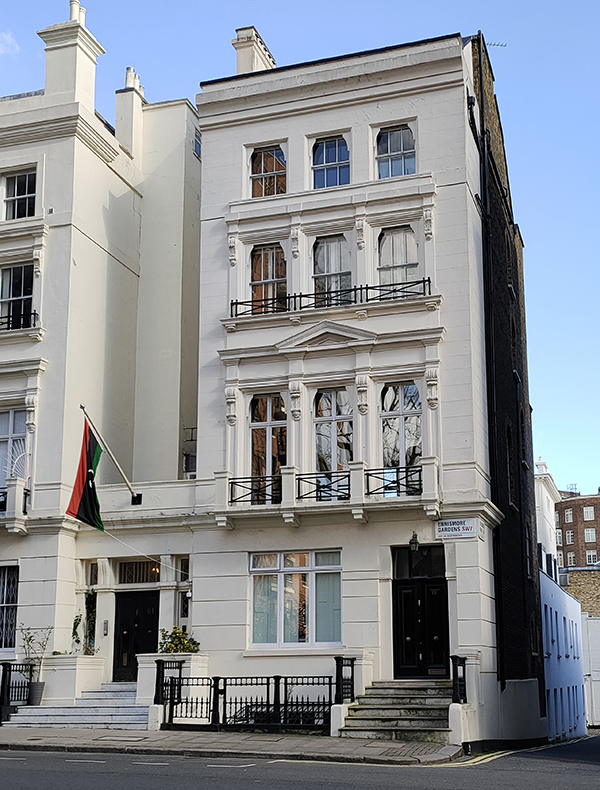
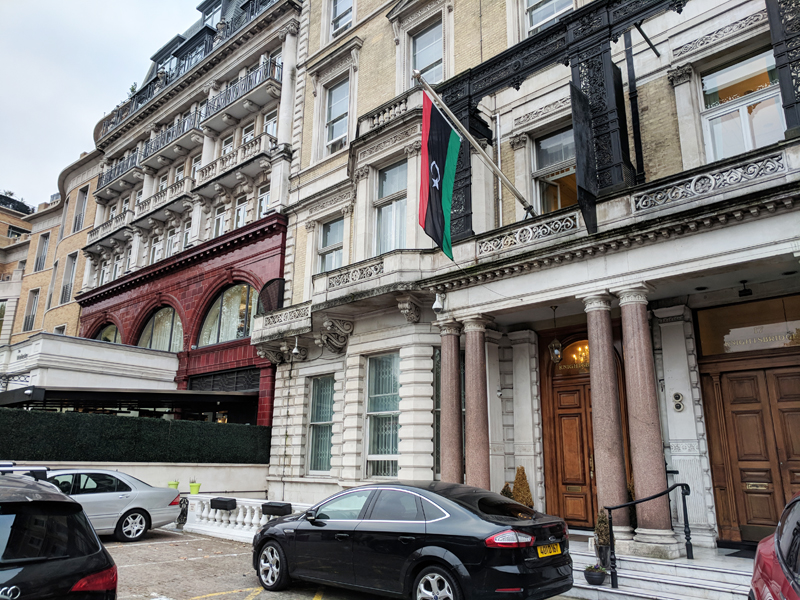
At nos. 61-62 Ennismore Gardens is the consular section of the Libyan Embassy (though there’s nothing on the building to identify it as such other than the flag). The website of the Royal Borough of Kensington & Chelsea has it listed under the splendid alternative name, The People’s Bureau of the Great Socialist People’s Libyan Arab Jamahiriya, though the page hasn’t been updated since 2016.
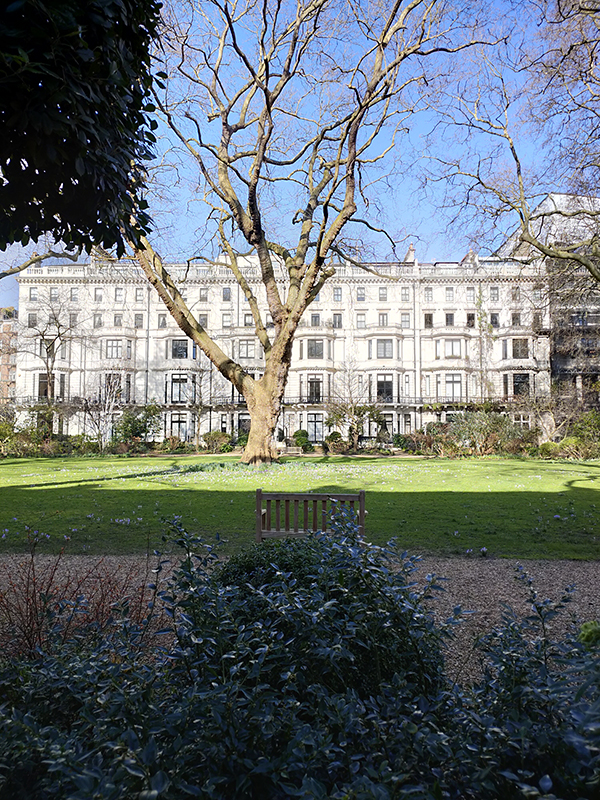
We complete a full circuit of the actual garden square bit of Ennismore Gardens and then swing round the very picturesque Ennismore Mews into Ennismore Street.
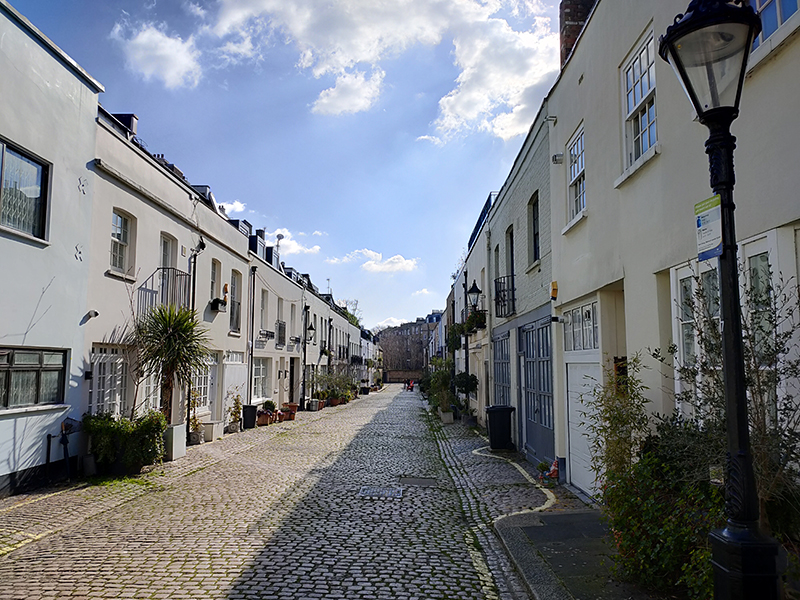
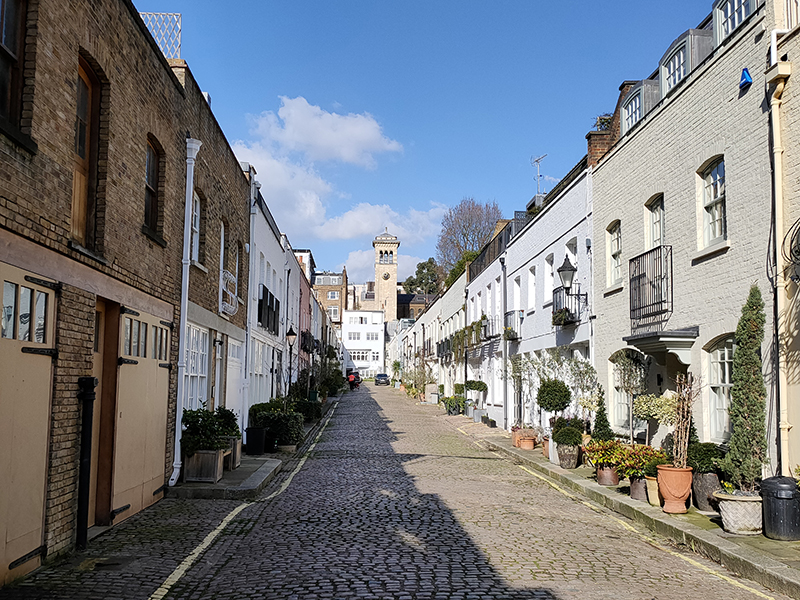
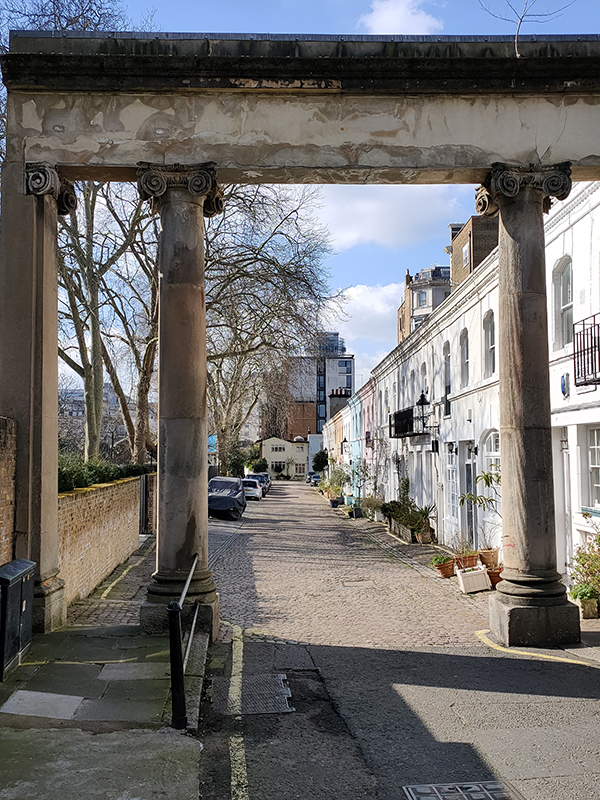
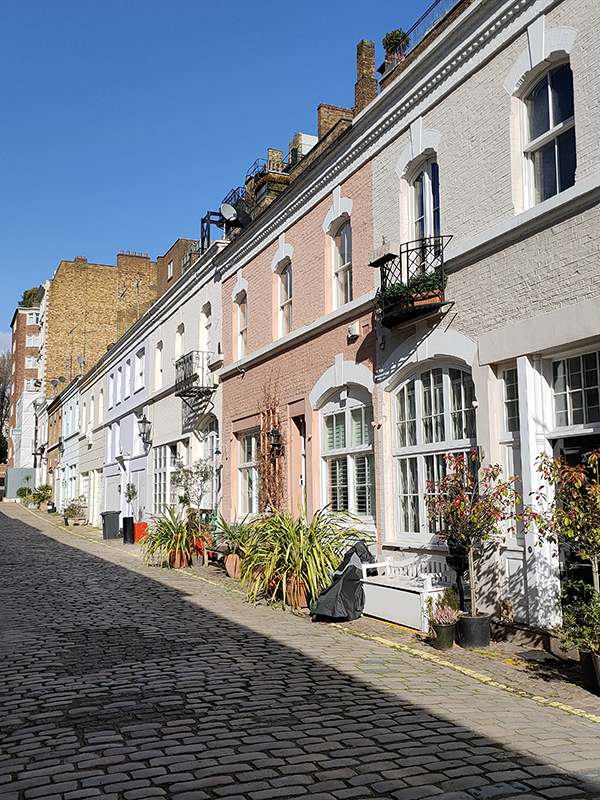
Heading west, Ennismore Street becomes Ennismore Garden Mews (which is also very picturesque). At the entrance to the mews, which were built between 1868 and 1874 by Peter and Alexander Thorn on land belonging to the 3rd Earl of Listowel, stands a Grade II listed arch, featuring paired Ionic columns supporting an entablature (I had to look that up too).
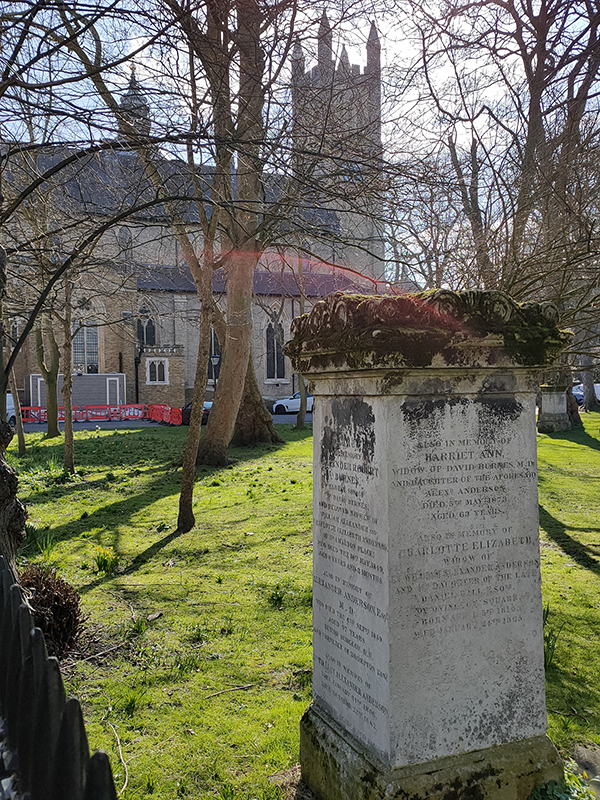
To the south of the mews lies Holy Trinity Brompton, a Grade II listed Anglican church that was consecrated by the Bishop of London in 1829.
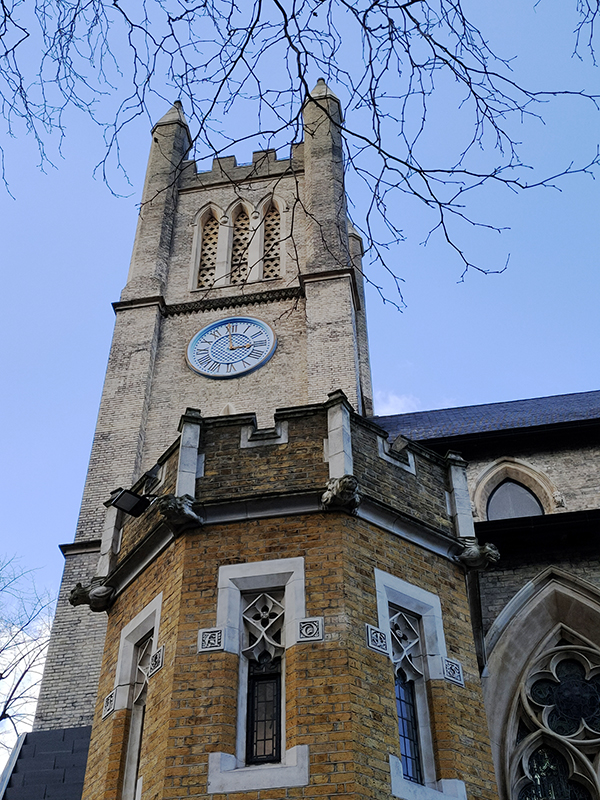
Beyond the churchyard, Ennismore Garden Mews takes a northward turn up to Prince’s Gardens. Princes Gardens Square was developed between the 1850’s and the 1870’s by by Sir Charles James Freake, one of the most successful speculative builders in Victorian London. Apart from those on the north side of the square and those fronting onto Exhibition Road all of Freake’s original white stuccoed townhouses were demolished in the 1950’s to make way for the expansion of the Imperial College campus. One of those remaining on Exhibition Road has since 1962 played host to the London branch of the Goethe-Institut (the German equivalent of the British Council).
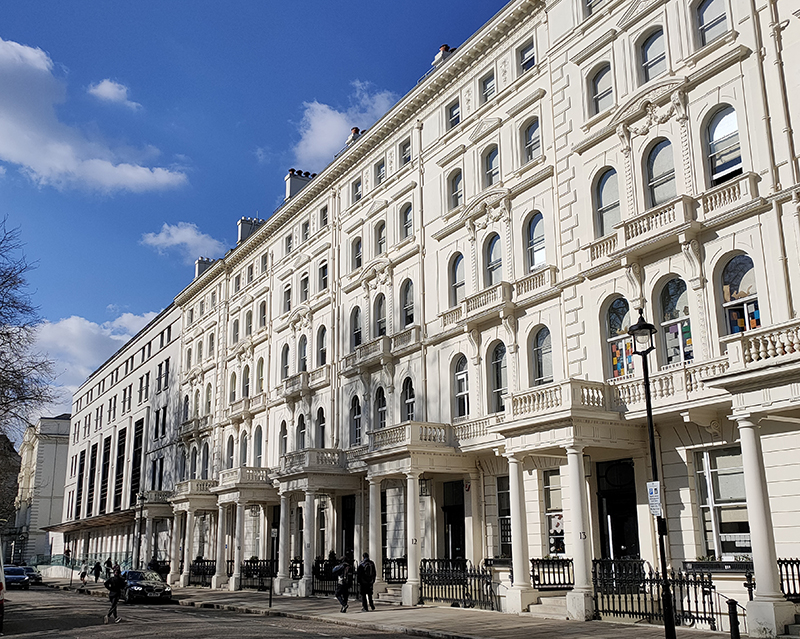
We head south down Exhibition Road, concentrating solely on its east side first encountering the fabulous Art Deco apartment block, 59-63 Prince’s Gate, which was designed by Adie, Button & Partners and completed in 1935.

Immediately adjacent is the modernist Hyde Park Chapel of The Church of Jesus Christ of Latter-day Saints (in other words Mormon HQ London). This site, bombed during World War II, was originally identified as a suitable location for a Chapel in London by the then Mormon President in 1954 and was completed and dedicated in 1961.
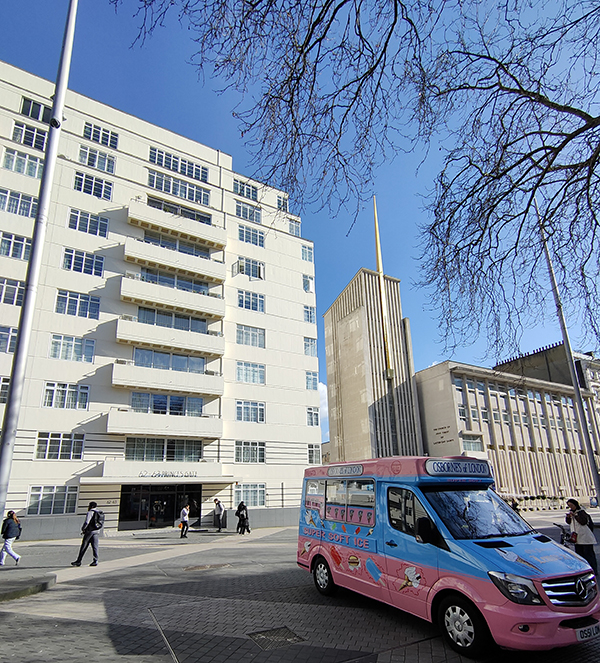
First ice-cream van sighting of the year and March still a day away.

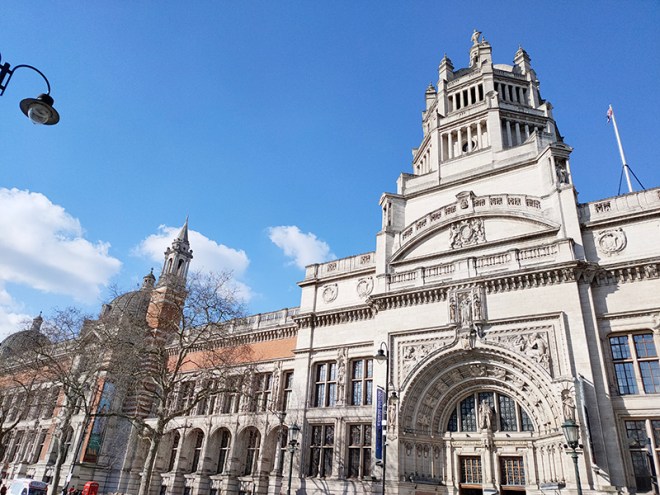
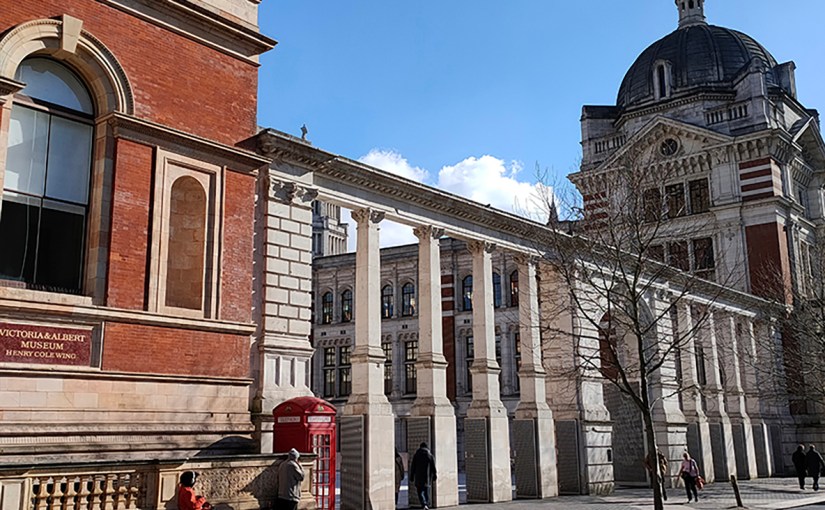
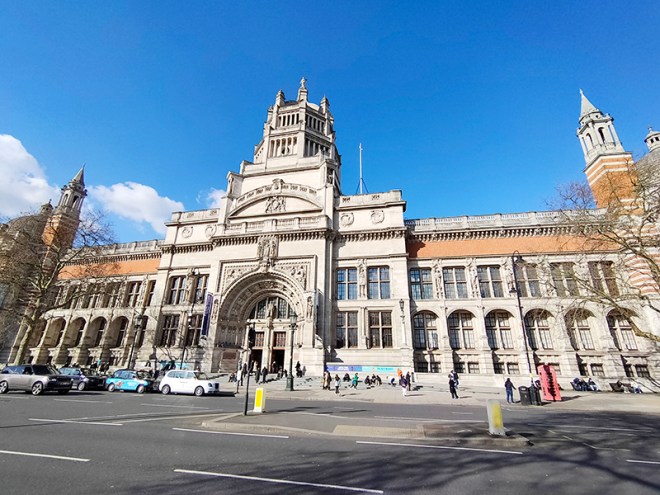
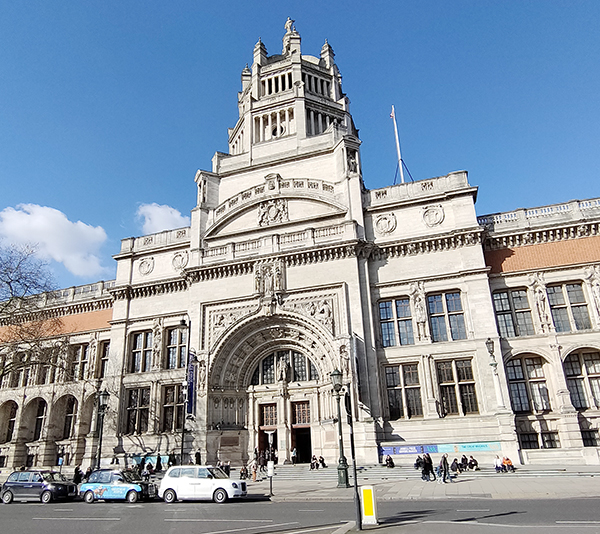
Two blocks further south and we reach the Victoria & Albert Museum which we enter via the Henry Cole Wing on Exhibition Road, designed by one of the museum’s in-house architects, Henry Scott. Constructed of brick and adorned with terracotta sculpture in an imitation Italian Renaissance style, it was completed in 1873.
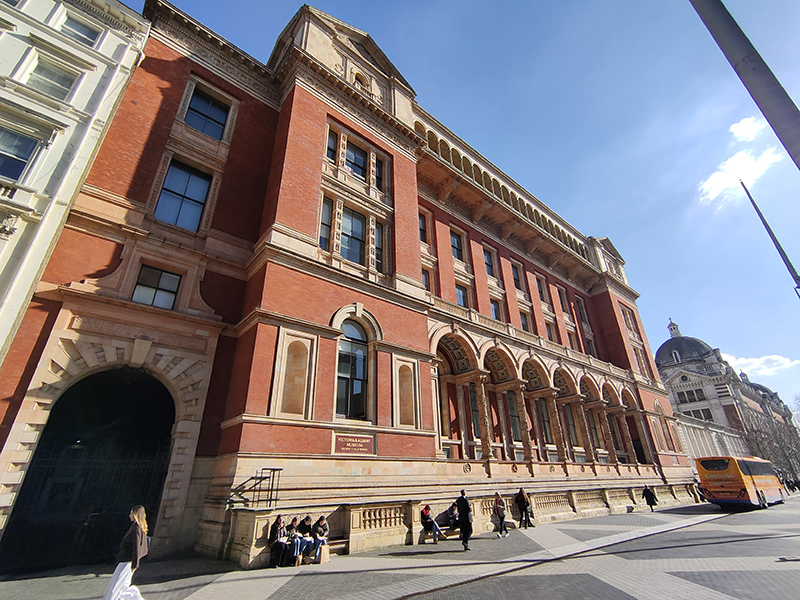
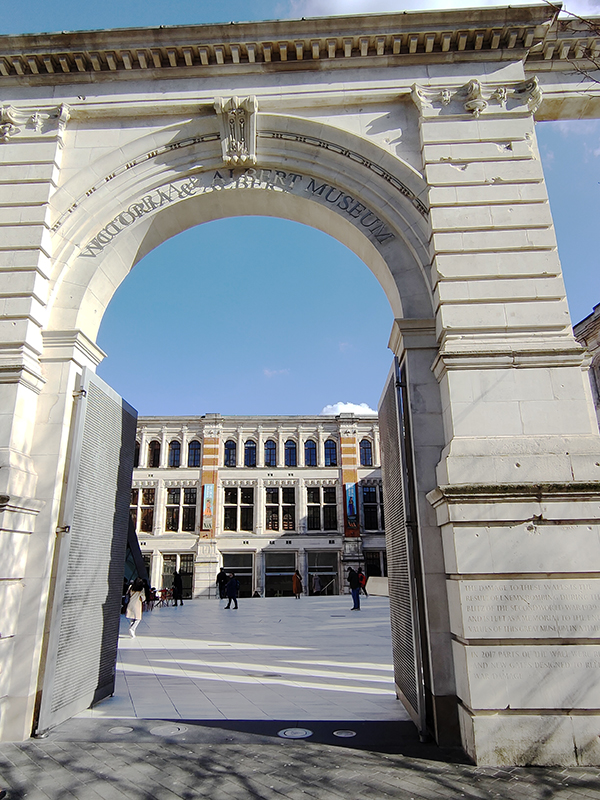
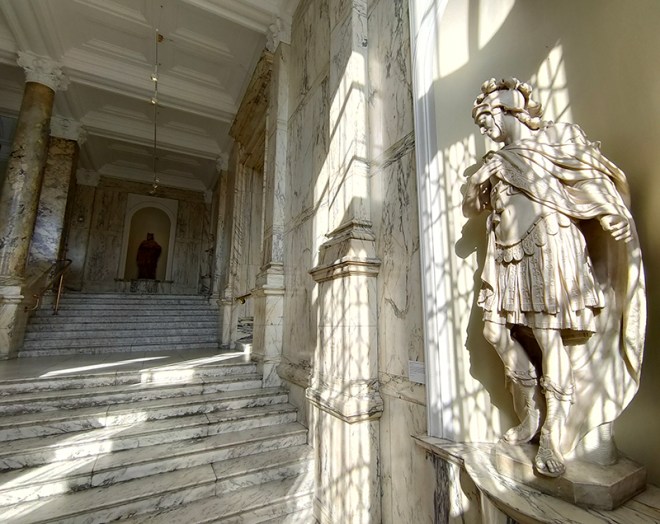
The origins of the V&A lie in the Great Exhibition of 1851 after which, its creator and champion, Prince Albert, urged that the profits of the Exhibition be used to develop a cultural district of museums and colleges in South Kensington devoted to art and science education. The V&A, originally known as the Museum of Manufactures, was the first of these institutions. It was founded in 1852 and moved to its current home, comprised of two buildings (one a temporary iron structure) five years later, at which time it was renamed as The South Kensington Museum. The first Director of the museum was Henry Cole (1808 – 1882) who had been one of the driving forces behind the Great Exhibition. Over the next 40 years the museum grew in piecemeal fashion including the construction of the North Court and South Court. Then in the late 1880’s a competition was held to select a new professional architect to complete the Museum. The design of the winner, Aston Webb (1849 -1930), called for long galleries punctuated by a three-storey octagon surmounted by a small cupola, and on the west, a large square court (eventually octagonal) balanced by the Architectural Courts on the east. In May 1899, in what was to be her last public ceremony, Queen Victoria laid the foundation stone for Aston Webb’s new scheme. The occasion also marked the changing of the Museum’s name to the Victoria and Albert Museum. As the building neared completion, a Committee of Re-arrangement looked at the question of how all the empty new galleries and courts should be filled. It decreed that the whole collection should be displayed by material (all the wood, together, all the textiles, all the ceramics etc.) in a huge three-dimensional encyclopaedia of materials and techniques. One of the last things to be completed was the inscription round the main door arch, which was adapted from Sir Joshua Reynolds: “The excellence of every art must consist in the complete accomplishment of its purpose”. The Museum was finally finished on 26 June 1909, more than 50 years after work had started on the original structures.
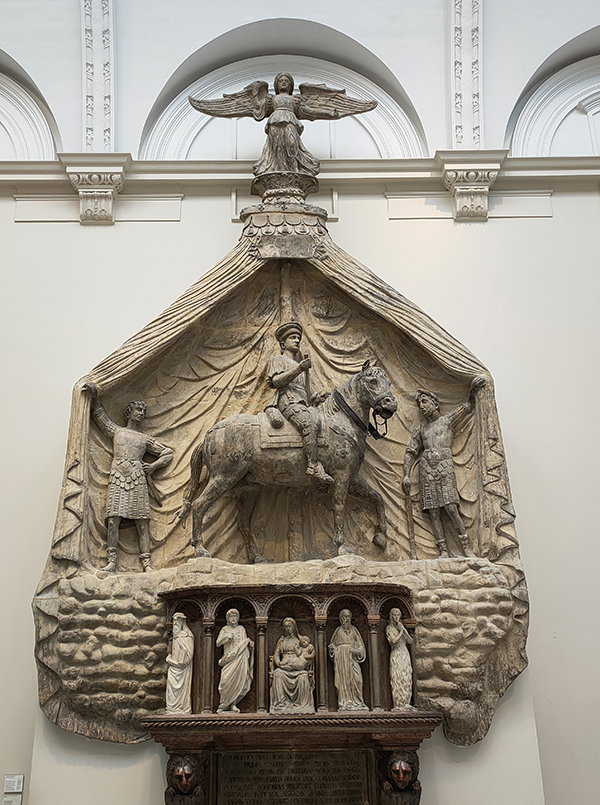
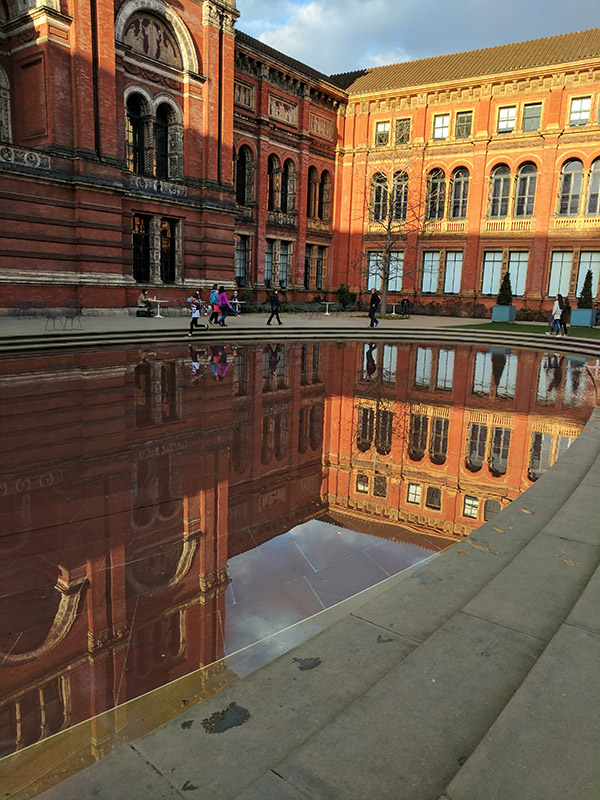
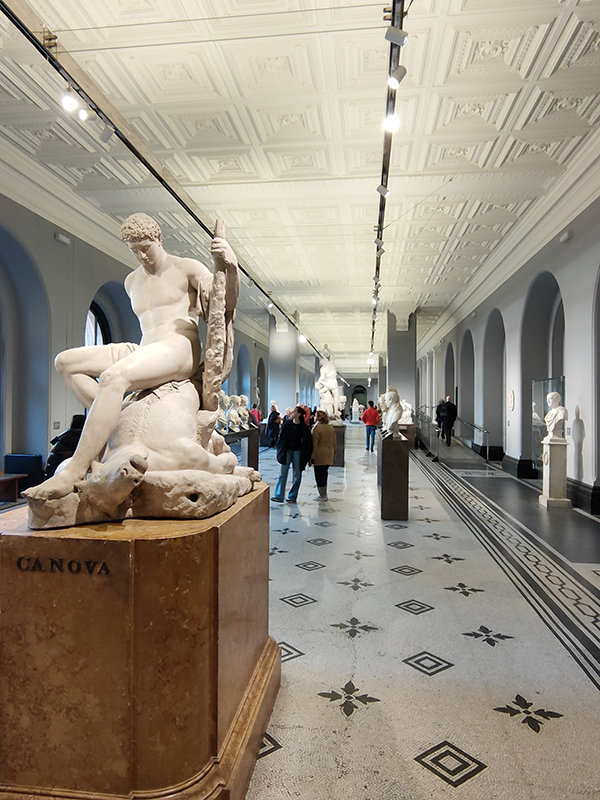
I’ve visited the V&A on numerous occasions over the years and yet I’m still staggered by the scale of some of the exhibits on display. One of these monumental objects is the Rood-loft (or Choir Screen) from St John’s Cathedral in ‘s-Hertogenbosch, Germany created in the 1610’s. Carved from two types of alabaster and two types of stone it stands 7.8m tall and over 10m wide. The rood-loft was acquired by the V&A from the art dealer Murray Marks who had purchased it from the cathedral authorities. It was probably removed from the cathedral in 1866 because it obstructed the congregation’s view of the high altar and because its style clashed with that of the Gothic church. In 1871 it was purchased outright, transported to England in sections and was rebuilt on the south wall of the Cast Court. During 1923-4 it was dismantled again and reconstructed in Gallery 50. I’ve looked very closely every time and still can’t see the joins.  One of the highlights of the museum is the John Madejski Garden, which was sadly closed for renovations at the moment so the photo in the slideshow below is from a previous visit. Originally this was a courtyard; the pool, lawns and planting which can be seen today were created by the landscape architect Kim Wilkie in 2005.
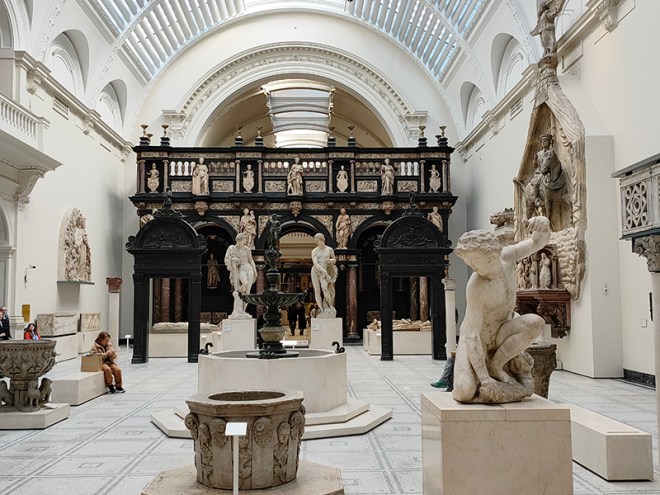
Henry Cole lived and worked at 33 Thurloe Square, directly opposite the museum. In addition to his achievements relating to the Museum and the Great Exhibition, Cole is credited with devising the concept of sending greetings cards at Christmas, introducing the world’s first commercial Christmas card in 1843.

We continue east along the south side of Thurloe Place before turning right onto the stretch of the Brompton Road that heads off towards Chelsea. This takes us past Empire House, built between 1911 and 1918 in a florid free baroque style with sculpted decoration on Portland stone, as the new UK HQ and showroom of the Continental Tyre and Rubber Company Ltd. Continental only occupied the building until around 1925 at which point it was sold and converted into shops and flats by the architect Henry Branch.

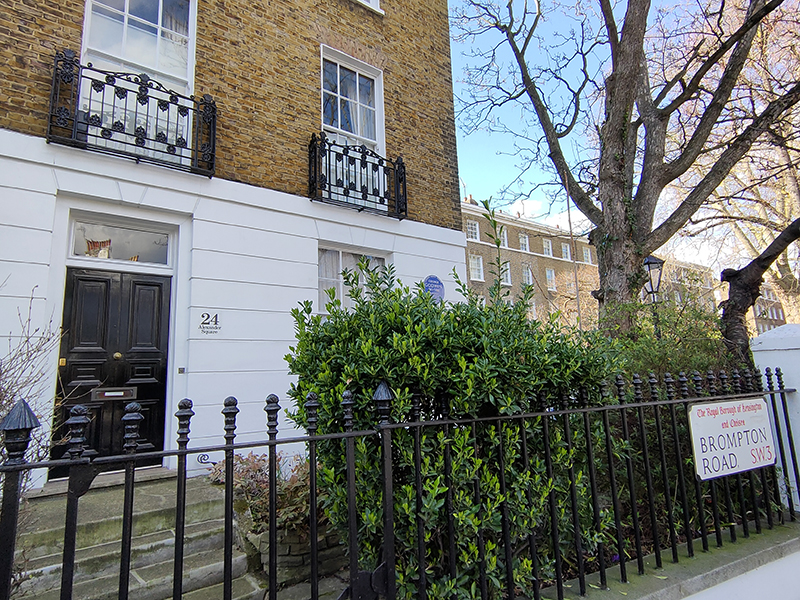
At no.24 Alexander Square, fronting the Brompton Road, a blue plaque commemorates the architect George Godwin (1813 -1888). His works included churches, housing and public buildings, and large areas of South Kensington and Earl’s Court, including five public houses. His memorial in Brompton Cemetery is Grade II listed, unlike any of the buildings he created.
Opposite here, on the corner of Brompton Road and Egerton Gardens, stands Mortimer House built by the one-time Governor of the Bank of England, Edward Howley Palmer, in the mid-1880s. The house is built in the late 19th-century Tudorbethan style in red and blue interspersed brickwork, with various decorations including gables and statues of griffins and bears with shields. Tall groups of brick chimney stacks surmount the property. The stables of the house have a conical roof and are now garages. A swimming pool in a conservatory was added in the late 20th century. Mortimer House was home to the chairman of British American Tobacco, Sir Frederick Macnaghten, in the 1950s and 1960s and continues to be privately owned.
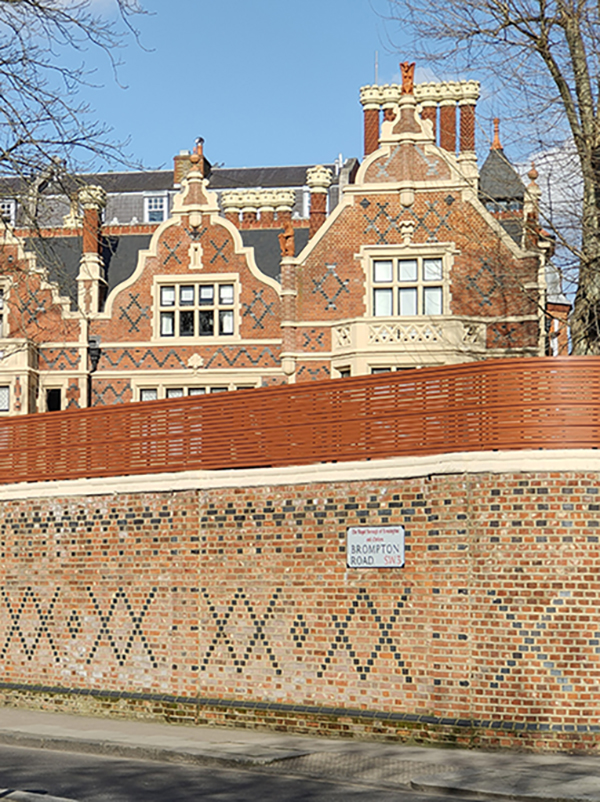
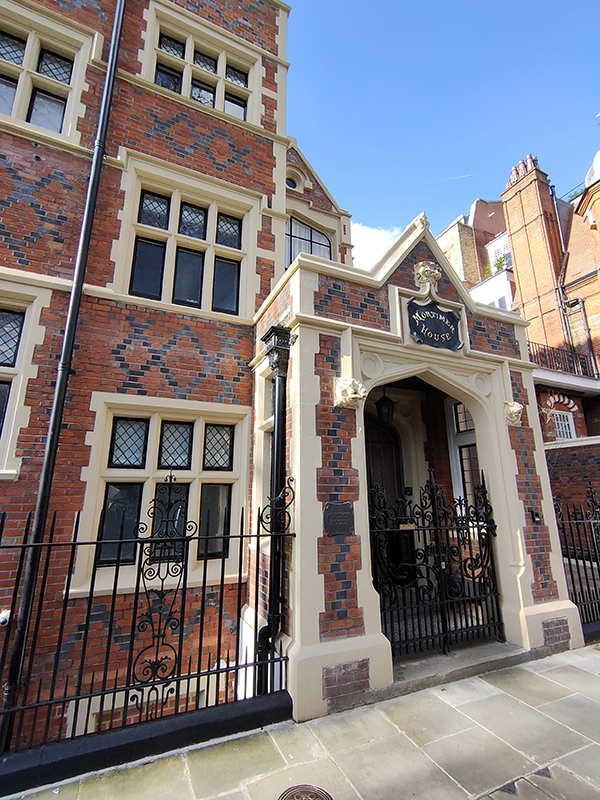
In December 2013 Edgerton Crescent was named the “most expensive street in Britain” for the second successive year, with an average house price of £7.4 million. Since then it’s relinquished that particular title but is still very desirable. David Frost lived here in the late 1960’s apparently.
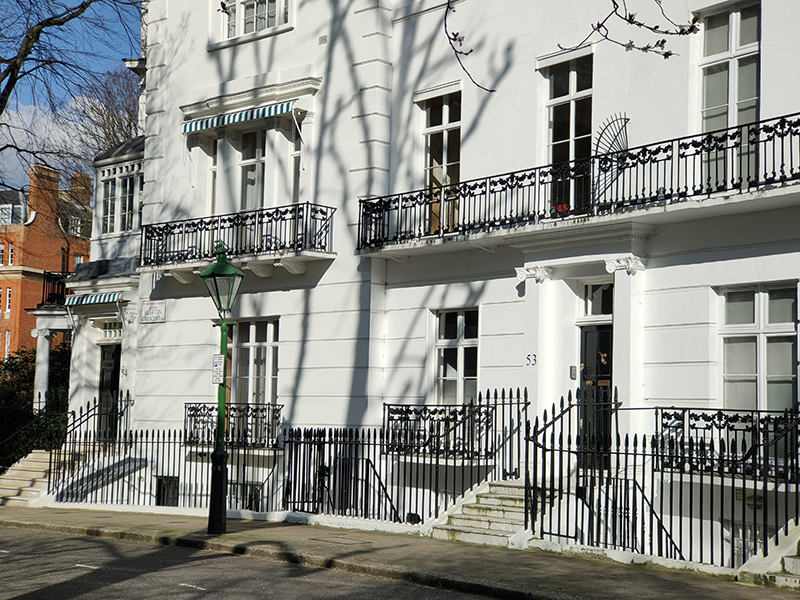
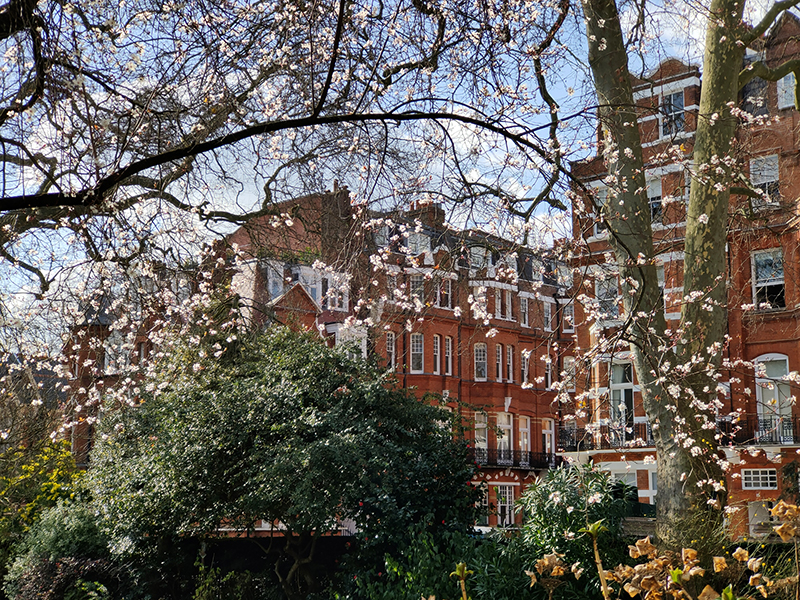
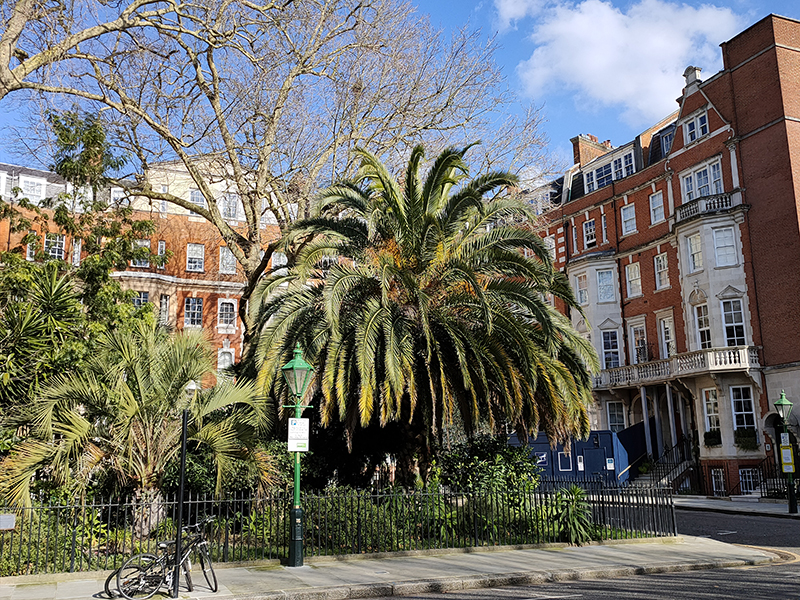
Having followed the crescent back to Edgerton Gardens we loop round into Edgerton Terrace which we look up and down taking particular note of the splendid palm tree adorning the small garden around which Edgerton Place curves.
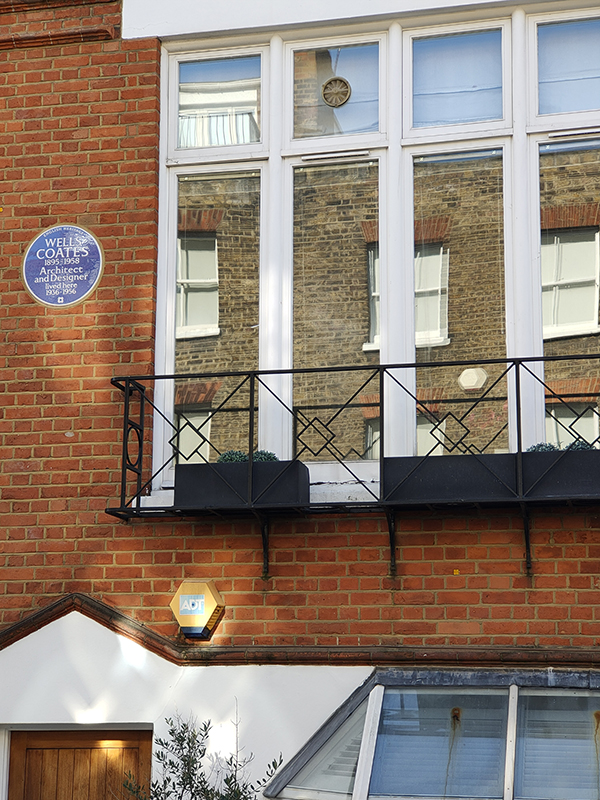
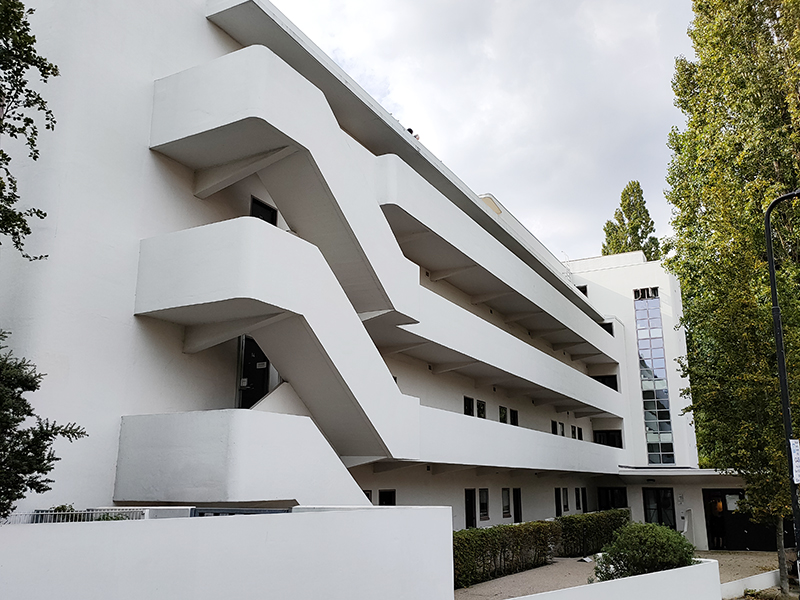
The final section of Edgerton Gardens leads into Yeoman’s Row which has a blue plaque at no.18 for the modernist architect Wells Coates (1895 – 1958) who is perhaps best known for the Isokon Building in Hampstead (which is a must visit if you ever get the chance).
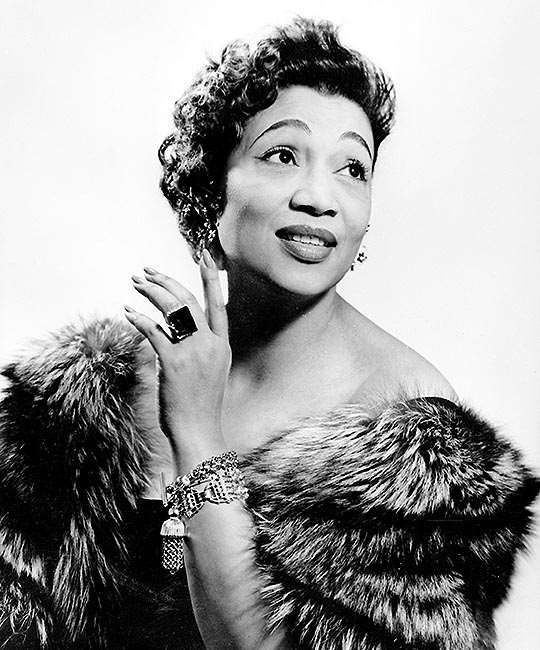
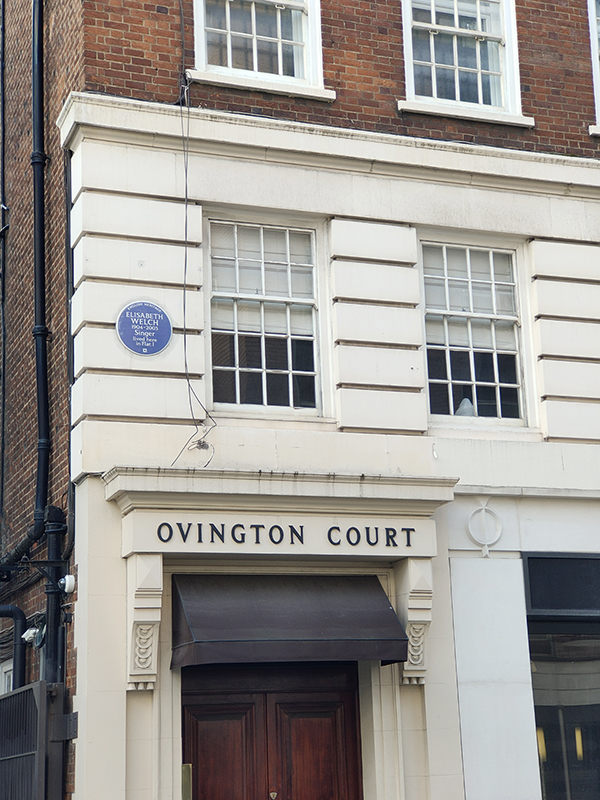
At the end of Yeoman’s Row, Glynde Mews takes us onto Walton Street from where the next links back to Brompton Road are Ovington Square and Ovington Gardens. At the top end of the latter there’s another blue plaque, this one in honour of the American singer and actress, Elizabeth Welch (1904 – 2003). Although American-born, to a father of Indigenous American and African American ancestry and a mother of Scottish and Irish descent, she was based in Britain for most of her career. During WWII, she remained in London during the Blitz, and entertained the armed forces as a member of Sir John Gielgud’s company. After the war she performed in many West End shows as well as making numerous appearances on television and radio. She featured in the Royal Variety Performance twice; did Desert Island Discs twice, and in 1979 was cast as a Goddess by Derek Jarman, singing “Stormy Weather” in his film version of Shakespeare’s The Tempest.
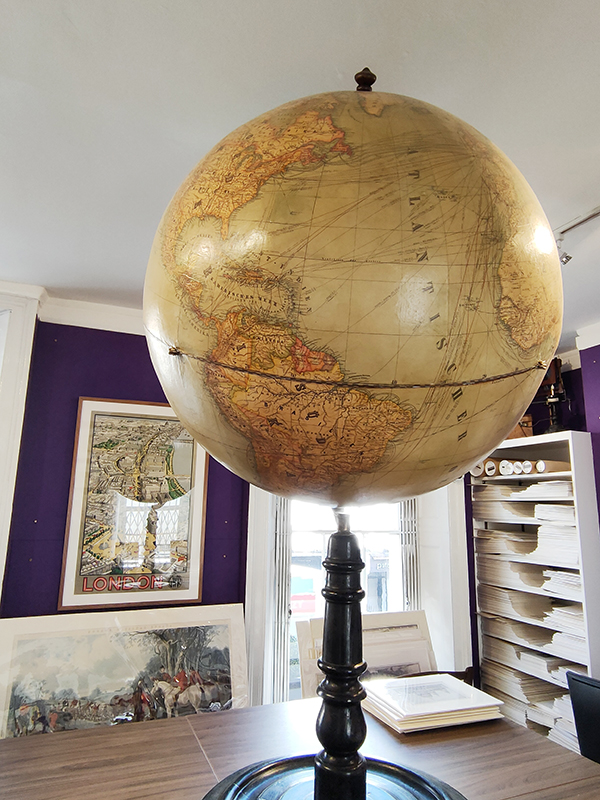
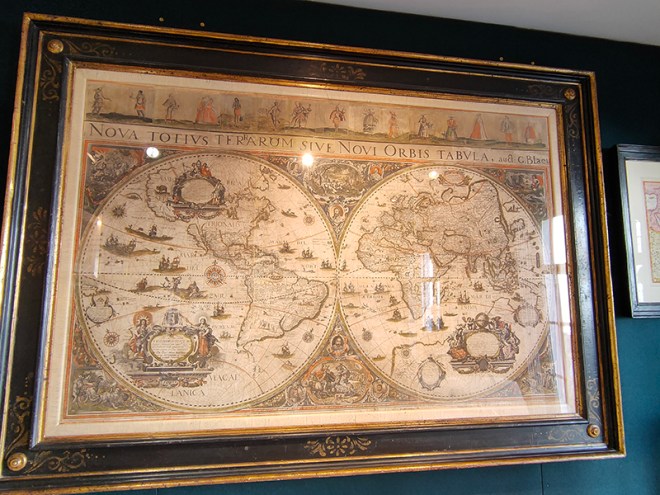
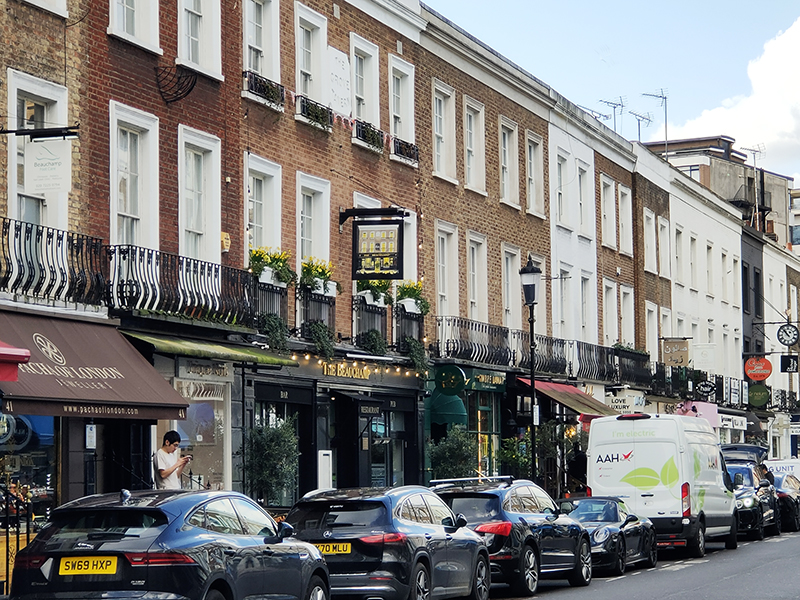
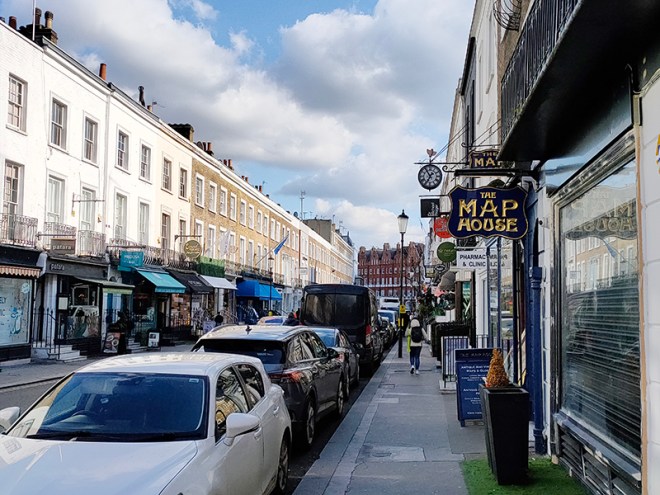
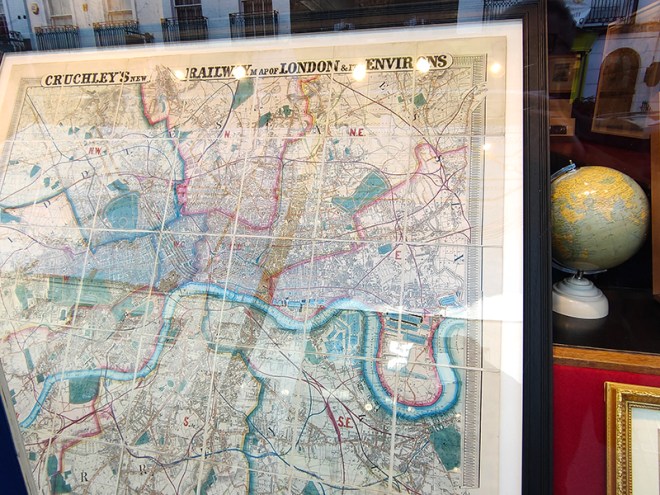
Next on the right, continuing east, is Beauchamp Place where there were a couple of unscheduled stops I couldn’t resist. First up was the Map House which has been selling and supplying maps to collectors, motorists, aviators, explorers, Prime Ministers and the Royal Family since 1907. That was the year Sifton, Praed & Company Ltd. (trading as The Map House) was established in St. James’s Street. The Map House moved to its present location at No. 54 Beauchamp Place in 1973 and it continues to house the most comprehensive selection of original antique and vintage maps, globes, and engravings offered for sale anywhere in the world; over 10,000 maps alone. There are some fascinating examples out on display which all are welcome to come in and check out.
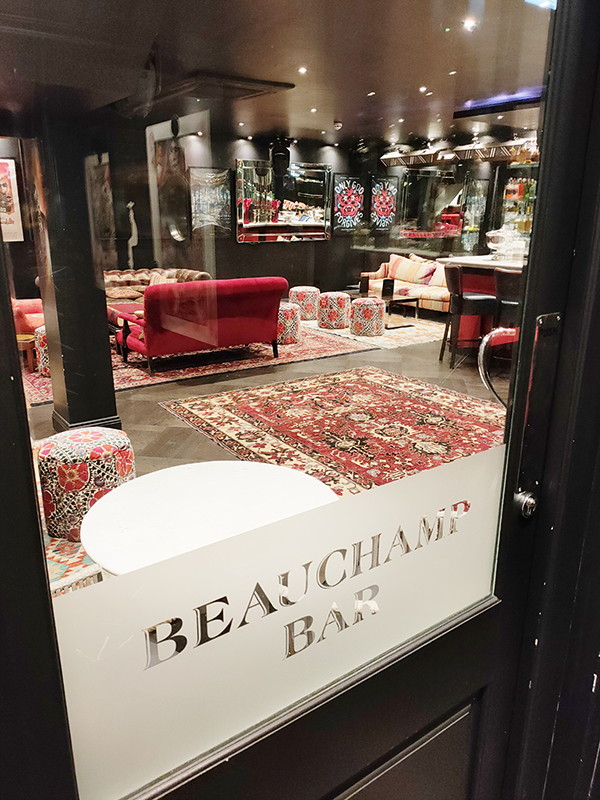
I wasn’t going to stop off for a drink today but given that it was my mother’s maiden name I couldn’t pass by the opportunity to make the Beauchamp the pub of the day.
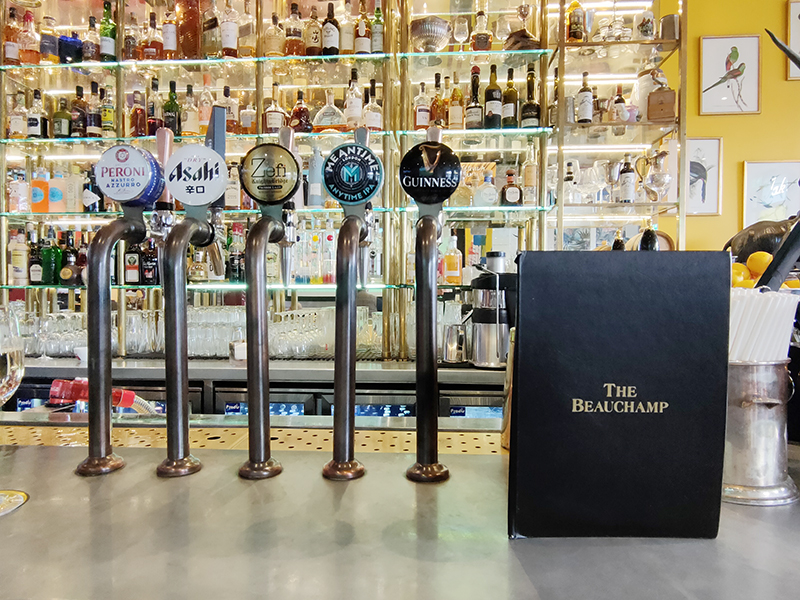
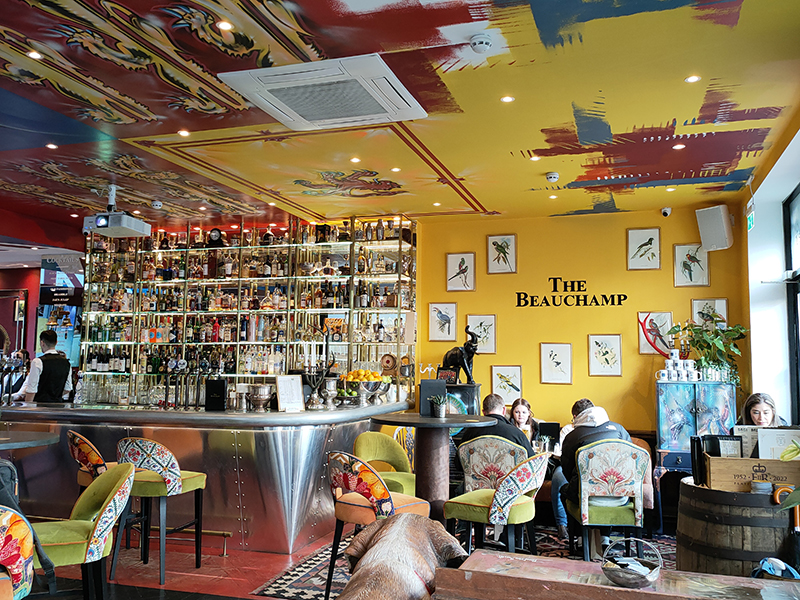
Beauchamp Place is named after  Edward Seymour, Viscount Beauchamp, who was a nephew of Jane Seymour (Henry VIII’s third wife) and therefore cousin to Edward VI. It also afforded a celebrity spot of the day in the shape of Alexander Armstrong, of Pointless fame.

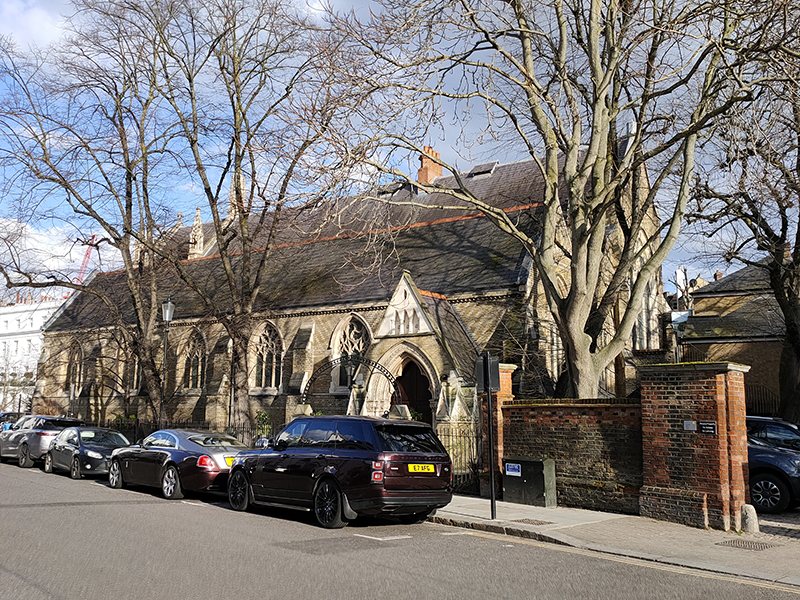
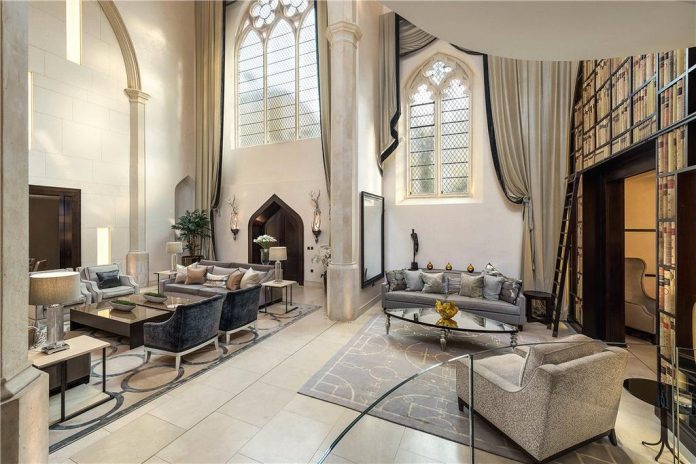
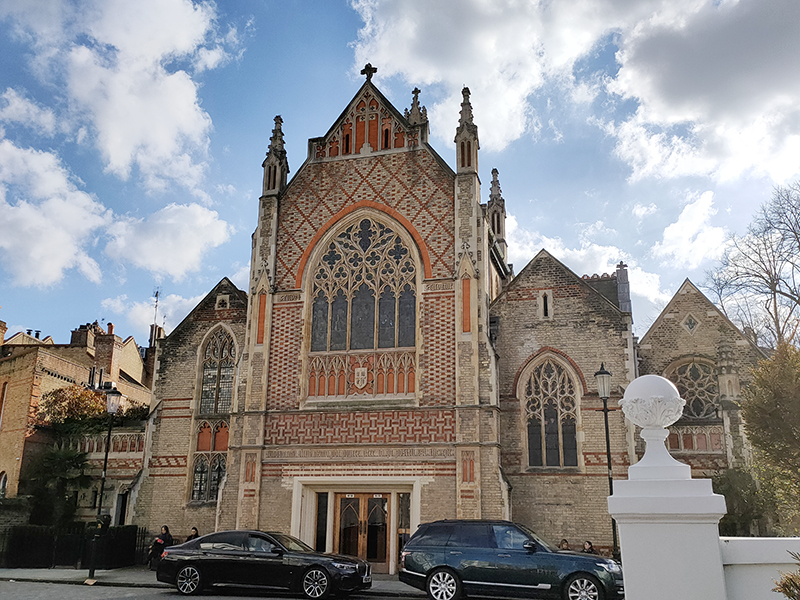
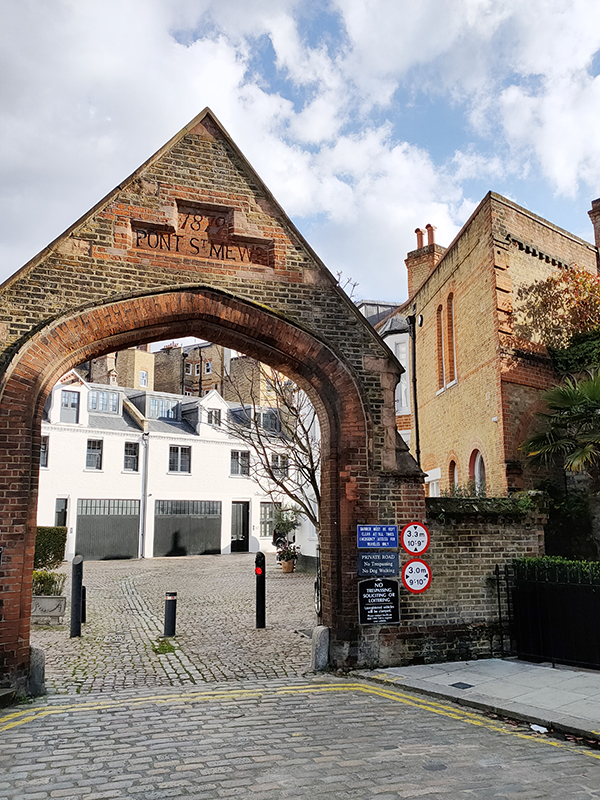
Leaving all this behind, we turn east onto Walton Street and head back towards Harrods. Facing onto Walton Place and surrounded on its other sides by Pont Mews is the Grade II listed St Saviours Church designed by George Basevi (1794-1845). Basevi was also responsible for the design of the Fitzwilliam Museum in Cambridge. The church was built in the Early Decorated style of the Gothic Revival on a site donated by the Earl of Cadogan and consecrated in 1840. The building was sold by the Diocese of London in 1998 for a reported £1 million and converted into a private home. (Also reportedly) it was owned by Alain Boublil, writer of Les Misérables and Miss Saigon, for 6 years before selling in 2009 for £13.5 million to a Thai businessman who spent an additional £10 million on a major renovation. In 2019 it was listed for sale at £55m but is currently on the market for £44m.
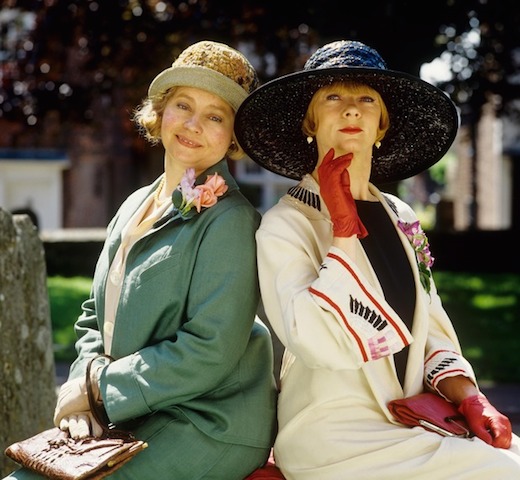
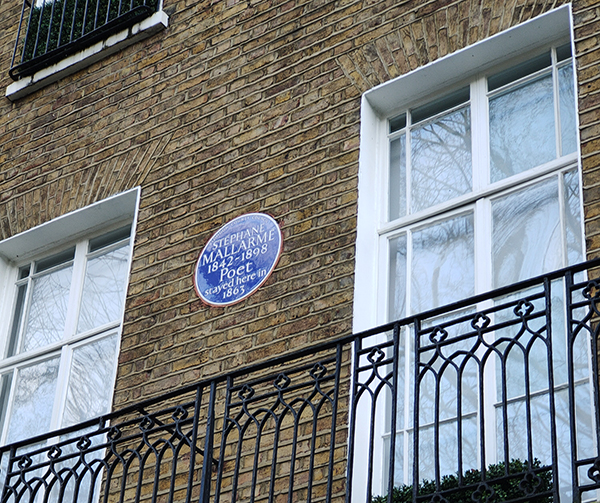
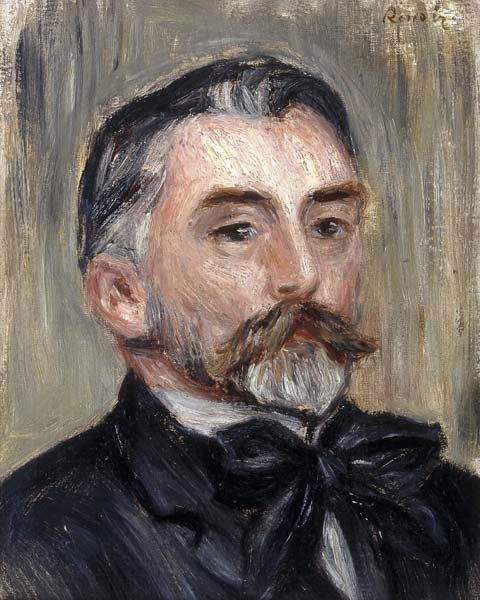
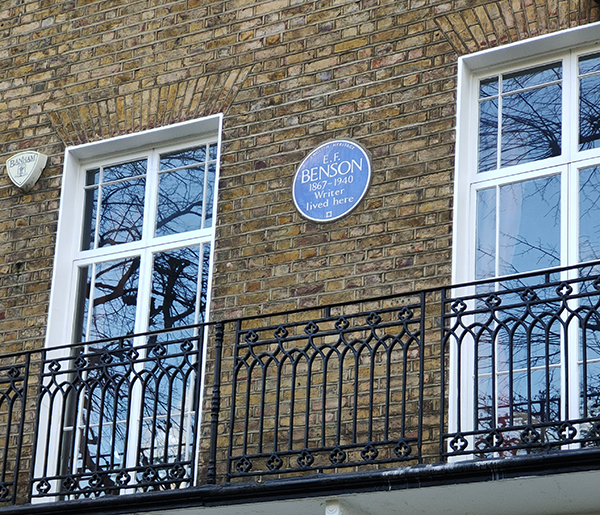
We return to the Brompton Road again via Hans Place and turn to the west. After visiting Brompton Place and Beaufort Gardens we cross over to the north side of Brompton Road and make our way down to Brompton Square which boasts three blue plaques. No. 25 was home to the writer Edward Frederic Benson (1867 – 1940) who is probably best known for his Mapp and Lucia series of novels and short stories. These have been adapted twice for TV; in 1985 with Prunella Scales and Geraldine McEwan in the title roles and in 2014 with Miranda Richardson and Anna Chancellor. French Poet and critic, Stephane Mallarmé (1842 – 1898) stayed at no.6 in 1863 while studying for an English teaching certificate. Mallarmé’s poetry has been the inspiration for several musical pieces, notably Claude Debussy’s Prélude à l’après-midi d’un faune (1894) and Maurice Ravel’s Trois poèmes de Mallarmé (1913) and his work has remained influential throughout the 20th and into the present century.
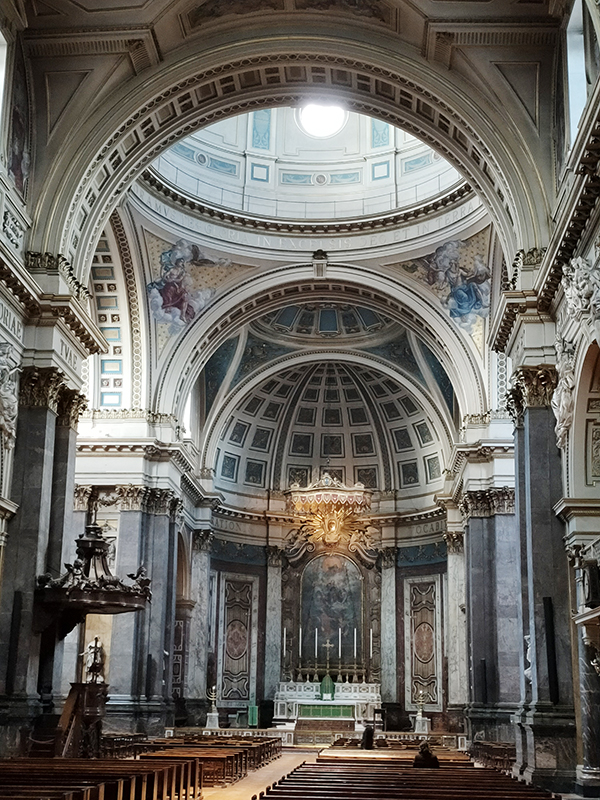
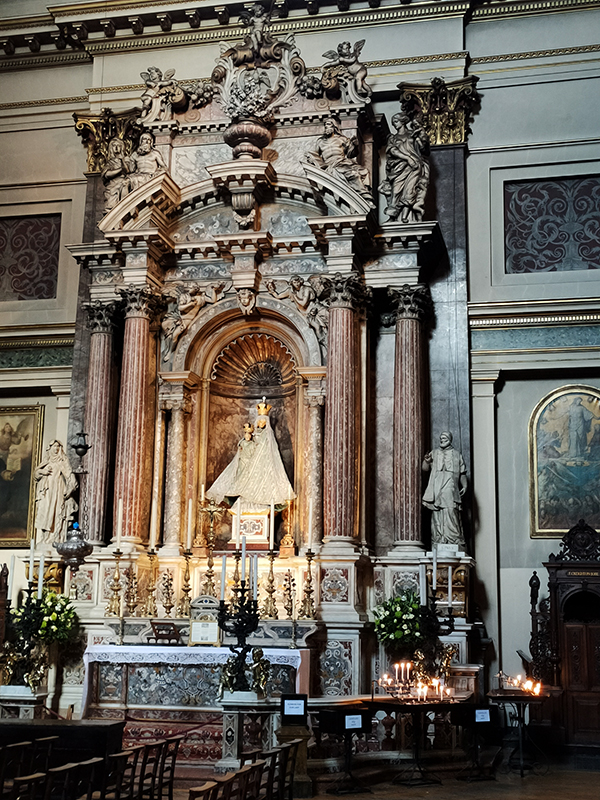
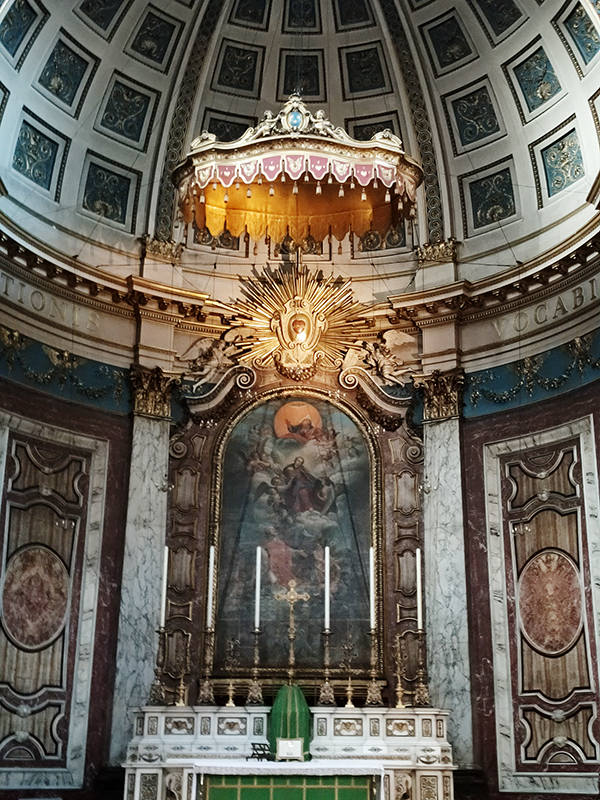
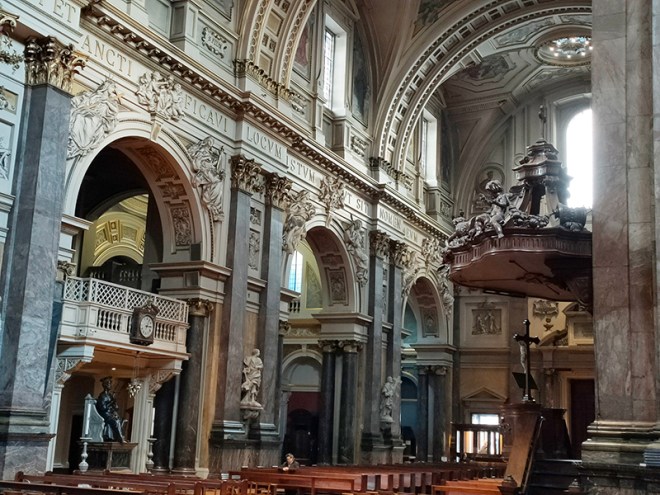
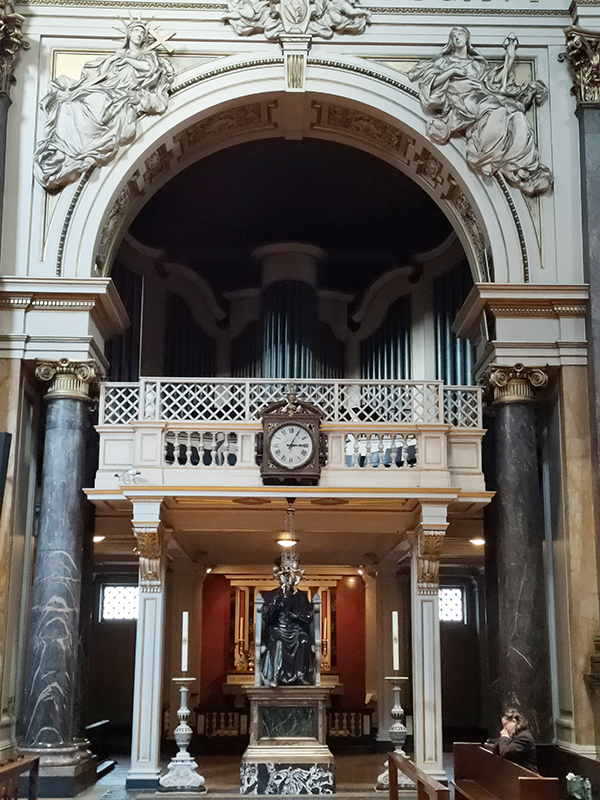
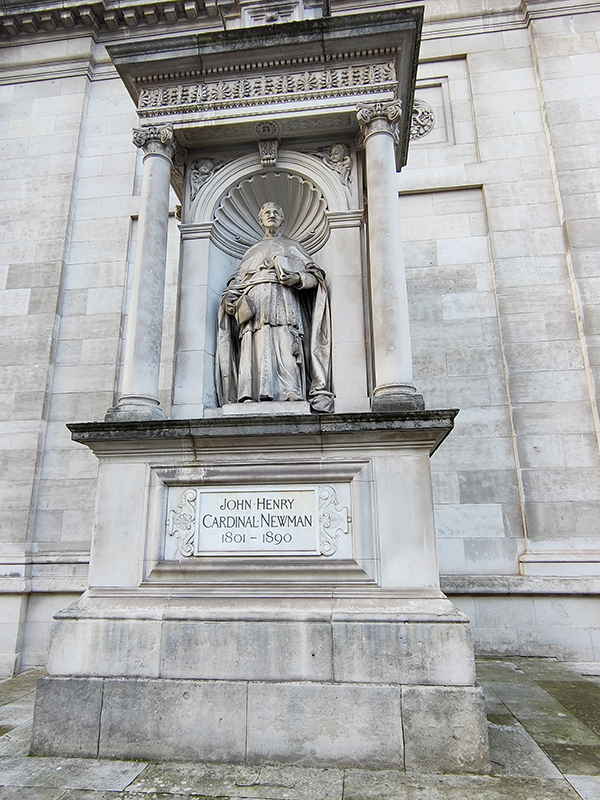
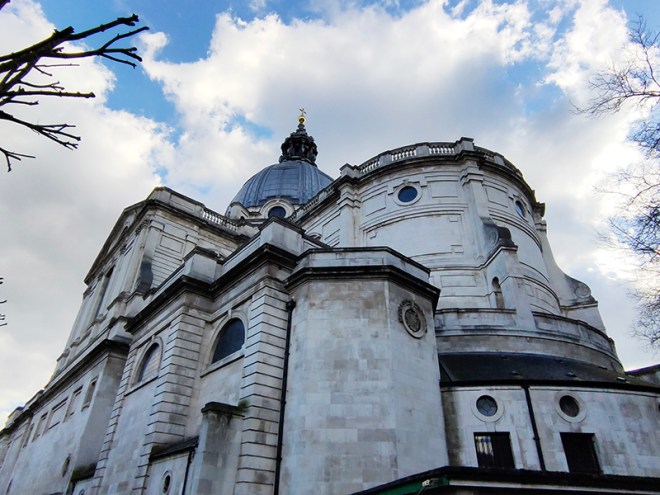
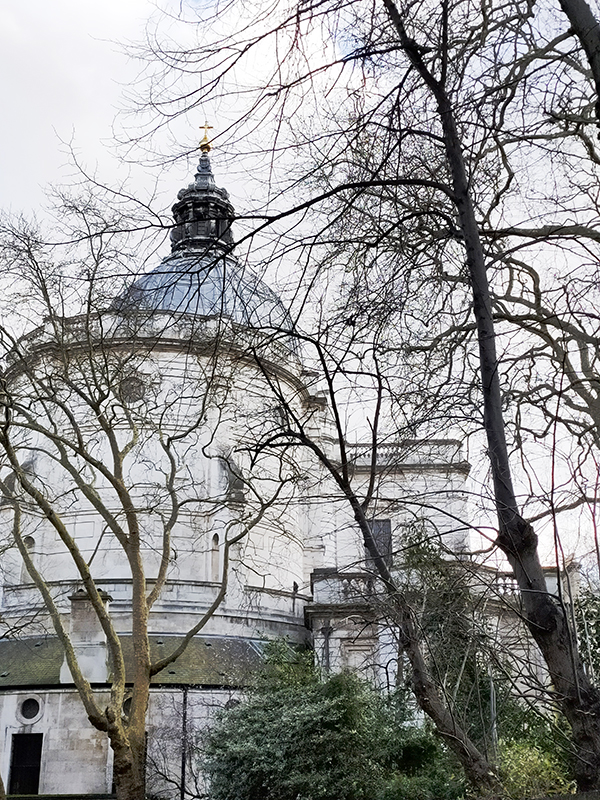
After a quick run up Cottage Place which leads to Holy Trinity Church (see above) we turn our attention to what is commonly known as Brompton Oratory. This famous Roman Catholic church should correctly be referred to as the Church of the Immaculate Heart of Mary. It is the second-largest Catholic church in London, with a nave exceeding in width even that of St Paul’s Cathedral (Anglican). The Oratory was founded by John Henry Newman (1801 – 1890), following his conversion to Catholicism in 1845, along with a group of other converts, including Father Frederick William Faber. The design, in the Renaissance style, by Herbert Gribble, a twenty-nine year old recent convert from Devon, was judged the winner in a competition for which Gribble was awarded a prize of £200 by the Fathers.  The foundation stone was laid in June 1880 and the neo-baroque building was privately consecrated on the 16th April 1884. The façade at the South end was not added until 1893 and the outer dome was completed in 1895-96 to a design of George Sherrin.  The last major external work was the erection of the adjacent memorial to Newman in 1896 (six years after his death).
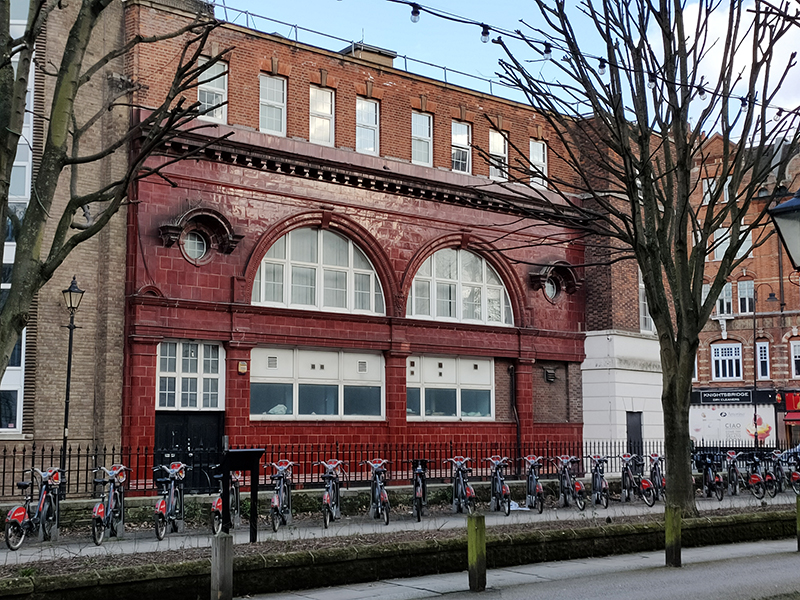
Before we head home via South Kensington tube there is on final point of interest which is the side entrance to the disused Brompton Road tube station on Cottage Place. Brompton Road was opened in 1906 by the Great Northern, Piccadilly and Brompton Railway, located between Knightsbridge and South Kensington on the Piccadilly Line. From the outset it saw little passenger usage and within a few years some services were passing through without stopping. In 1934 when Knightsbridge station was modernised with escalators and provided with a new southern entrance Brompton Road was closed. And, since that brings us full circle, we’ll sign off there. This one’s been a bit of a monster so huge thanks if you’ve managed to stick with it to the bitter end.
Day 47 – Green Park – Hyde Park Corner – Grosvenor Place – Buckingham Palace

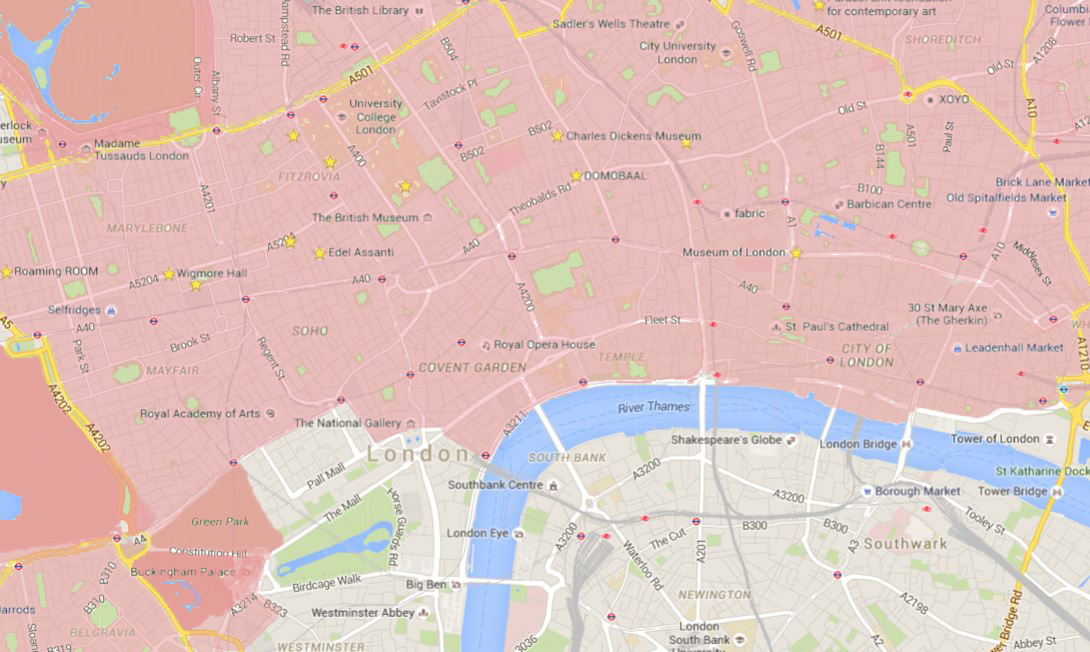
Before we dive into today’s journey there’s just time for a quick update on overall progress to date. As you can see below, we’re about three quarters of the way there now with only a relatively small section north of the river still to cover.

Covered so far Nov 2017

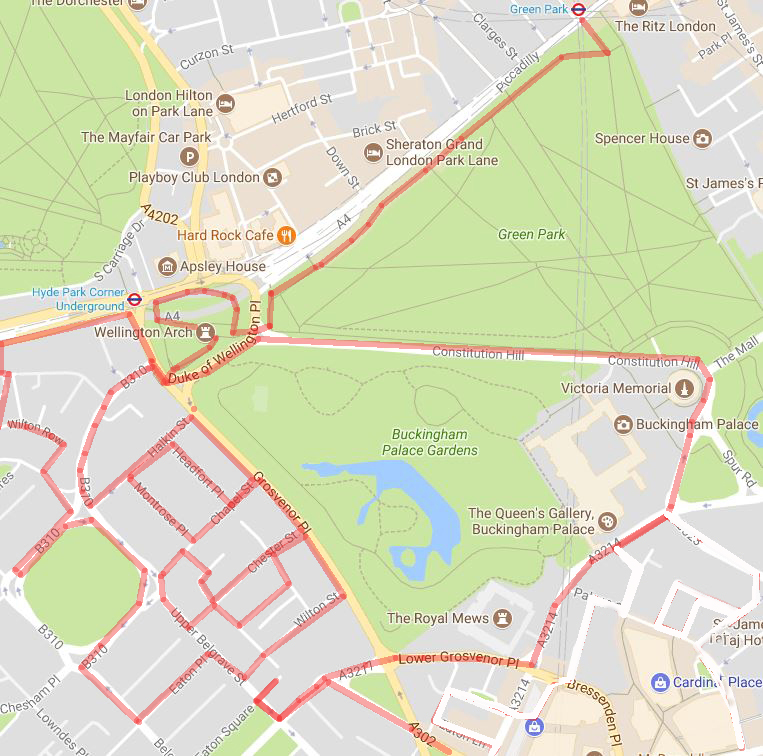
Ok back to the programme. Today’s walk starts out from Green Park tube station from where we head west through the eponymous park to Hyde Park Corner. We then venture further west and finish off the area between Grosvenor Place and Belgrave Square before circling round Buckingham Palace and flirting with Victoria (so to speak).

Day 47 Route

The 40 acres of Green Park provide a link between St James’s Park and Hyde Park.
The park was first enclosed by Charles II in 1668, stocked with deer and provided with a ranger’s house. It was known as Upper St James’s Park but by 1746 it was called The Green Park. The park now has no buildings and virtually no other man-made structures within it but it once contained lodges, a library, an ice house and two vast ‘temples’ called the Temple of Peace and the Temple of Concord. Ironically, the Temple of Peace, erected to mark the end of the War of Austrian Succession, exploded during a firework display in 1749 and in 1814 the Temple of Concord, erected to mark 100 years of the Hanoverian Dynasty, was destroyed in a similar way during the Prince Regent’s gala.

It was the beginning of November when I walked through the north side of the park and the trees were just about hanging on to their autumnal glories.

Just before the western apex of the park you reach the Bomber Command Memorial, dedicated to the 55,573 airmen who lost their lives during the Second World War. The Memorial, which was unveiled in 2012, was designed by architect Liam O’Connor and  built using Portland stone. Within the memorial are the bronze sculptures of a Bomber Command aircrew and the design for the roof incorporates sections of aluminium recovered from a Handley Page Halifax III bomber shot down over Belgium on the night of 12 May 1944, in which eight crew were killed.

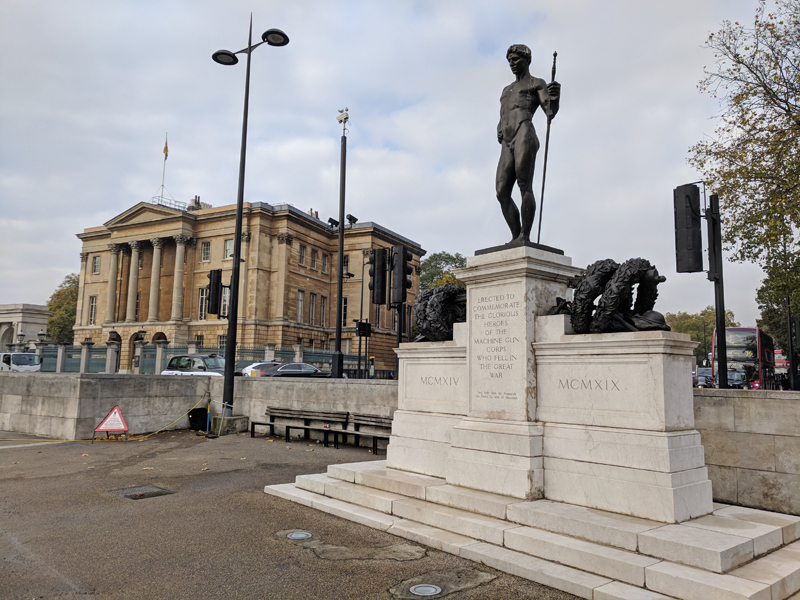
Beyond the memorial we cross over Duke of Wellington Place to enter the island in the middle of the Hyde Park Corner roundabout. This is all about the celebration and commemoration of Britain’s (and the Commonwealth’s) military past with the D of W taking centre stage. Proceeding anti-clockwise we pass the New Zealand war memorial and arrive at the Machine Gun Corps Memorial. The oddly fey nude statue of David which tops the marble plinth is by Francis Derwent Wood (1871 – 1926).

IMG_20171102_123025

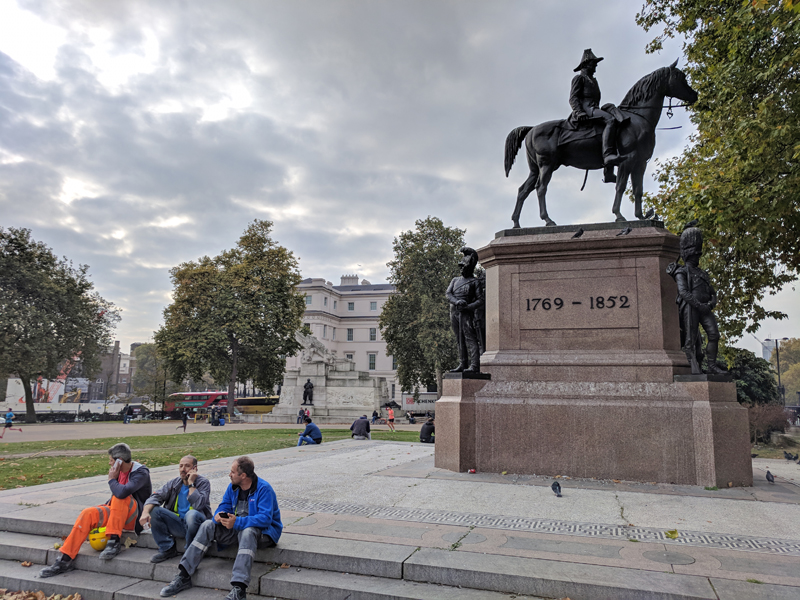
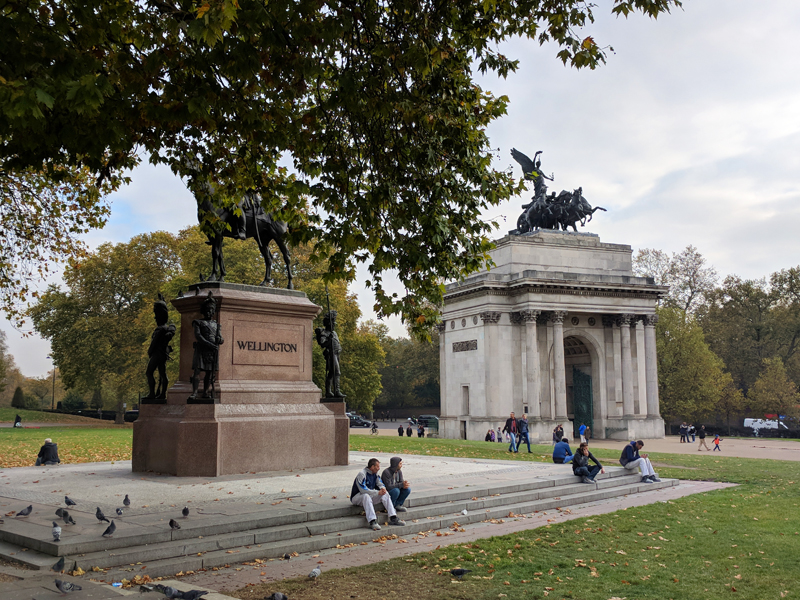
In the background there you can see Apsley House which houses the Wellington Museum, having been home to the man himself from 1817 (it had been designed and built by Robert Adam in the 1770’s). As luck would have it the museum had switched to Winter opening hours the day before this walk took place and so was closed on weekdays – otherwise I would have felt obligated to visit and report. Instead I turned south past Edgar Boehm’s equestrian statue of the Duke and parted with a fiver to ascend the Wellington Arch.

IMG_20171102_123727

IMG_20171102_123614

Turned out this wasn’t such a bad move as I had the place to myself. There’s not a lot to detain you but the small exhibitions on the history of the arch itself and on the Battle of Waterloo are both illuminating and well done and the external viewing gallery affords a couple of interesting perspectives (though not of the Buckingham Palace grounds).  Like Marble Arch, the Wellington Arch was conceived to commemorate victory in the Napoleonic wars.  It was also designed to be a grand entrance to Central London from the west and was originally sited, about 100 yards away from its present location, immediately opposite Apsley Gate (see last post). Like the Gate the Arch was commissioned in 1824 and was designed by the then 24 year-old Decimus Burton. Burton originally intended the Arch to be crowned with a sculpture of a quadriga (chariot drawn by four horses) but, because the rebuilding of Buckingham Palace ran hugely over budget (see further down), the Treasury declined to fund this and most of the other proposed decoration. In the 1830’s a committee formed to determine the nature and scope of a national memorial to the Duke of Wellington came up with the idea of sticking a giant equestrian statue of the Duke on top of the Green Park Arch (as it was then called). The chosen sculptor was Matthew Cotes Wyatt (1777-1862) and the work was erected in 1846, supposedly for a trial period. It was immediately greeted with derision  being totally disproportionate in size. The Government demanded its removal but had to back down when the Duke himself objected.

The statue was finally got rid of in 1883 when the Arch was moved to its new site as part of a road development scheme. It was relocated to a new pedestal near the Garrison Church at Aldershot and the Arch was once again topless. However, in 1891 the sculptor Adrian Jones (1845–1938) exhibited a magnificent plaster work of (you’ve guessed it) a quadriga and The Prince of Wales suggested that it would make a suitable adornment for the rebuilt Wellington Arch. Initially no funds were available, but eventually a banker, Sir Herbert Stern, made an anonymous donation of about £20,000, and the final bronze version was erected on top of the arch in January 1912.

This slideshow requires JavaScript.

From the early twentieth century until the late 1950’s the inside of the arch was used as a police station (arguably the smallest in London) and it 2001 after major repairs and refurbishment English Heritage opened it to, if today was anything to go by, a largely indifferent public.

And so to those views from the top…

This slideshow requires JavaScript.

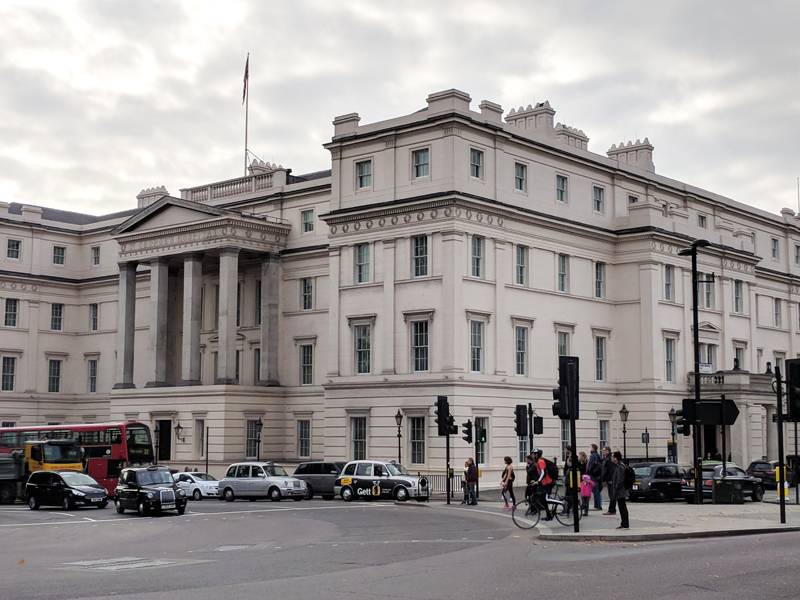
As you can see in the slides above if we resume our anti-clockwise circumnavigation of the island next up, on the west side, is the Royal Artillery Memorial , designed by Charles Jagger and Lionel Pearson, and featuring a giant sculpture of a BL 9.2-inch Mk I howitzer upon a large plinth of Portland stone. Behind this is the Lanesborough Hotel, reputedly the most expensive in London. Lanesborough House was built in 1726 and converted into a hospital, St George’s, in 1733. Almost a hundred years later it was demolished to make way for a new 350-bed facility designed by architect William Wilkins. The new hospital was operational by 1844, serving continuously as a hospital until transferred to Tooting, south London in the 1970s. In 1980 the Duke of Westminster took up an option to buy the then vacant building for £6,000 (its value in the nineteenth century).
It was refurbished and re-opened as a hotel in 1991 and is currently managed by the Oetker Collection.

IMG_20171102_123358

Completing the circuit is the Australian war memorial beyond which you can see the massive redevelopment taking place next to the Lanesborough. It’s from here that scores of Eastern European construction workers flock into the island to eat their lunch.

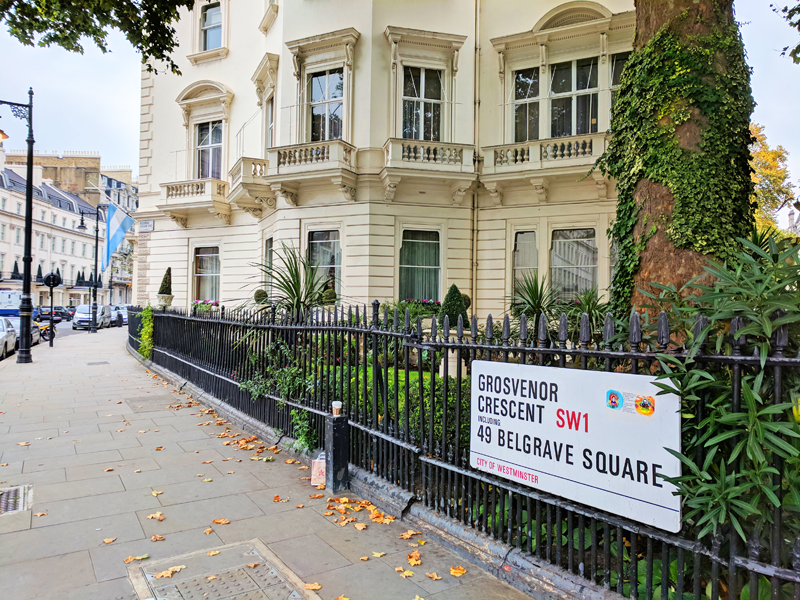
And so we eventually escape from the island via the underpass that emerges on Grosvenor Place and swing west round Grosvenor Crescent back towards Belgrave Square. First embassy of the day is Belgium’s then on the corner with Halkin Street (but officially known as 49 Belgrave Square) is the Argentinian, occupying the Grade-II listed Herbert House, built for Sidney Herbert, 1st Baron Herbert of Lea in 1851.

IMG_20171102_132315

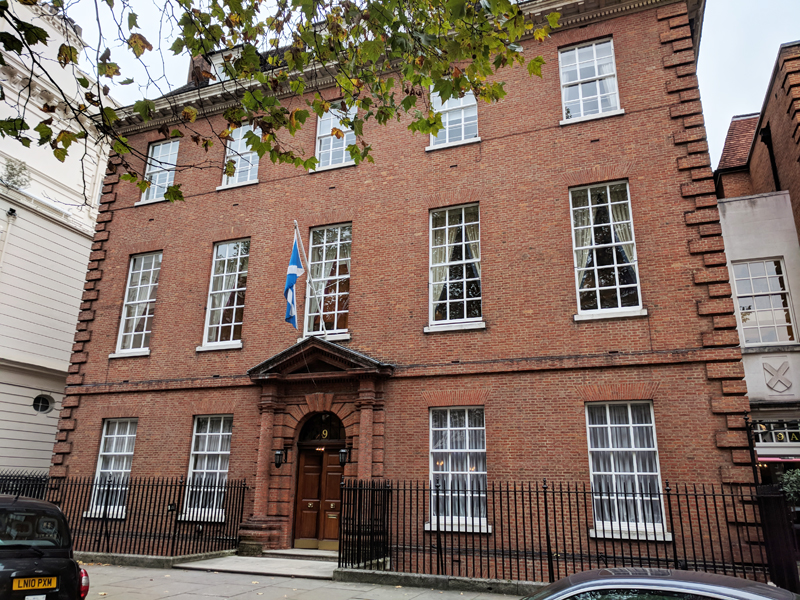
Further down Halkin Street is the Caledonian Club, a private members’ club founded in 1891 that styles itself as a little bit of Scotland in the heart of London. Coincidentally, about a week after this walk I received an invite to a function here (which I was unable to attend).

IMG_20171102_132415

We return to Grosvenor Place and turn south. There are some fine facades along here but many are in a state of severe disrepair.

IMG_20171102_132730

At no.17 which is the Embassy of the Republic of Ireland we turn right down Chapel Street but only as far as Headfort Place which takes us north again back to Halkin Street.

From here Montrose Place and Chapel Street get us back to the Irish Embassy and the next turn off west from Grosvenor Place is Chester Street. From here we take Groom Place back to Chapel Street then head west past the south-eastern corner of Belgrave Square into Upper Belgrave Street. We swing round the corner, on which stands the Embassy of the Ivory Coast, into Chester Street once more then turn right onto Wilton Mews. Next left is Little Chester Street then up Chester Mews passing the shell of a pub, the Talbot, I had occasion to frequent many years ago.

We retrace our steps on Chester Street before taking a further turn south on Grosvenor Place. No. 33 which was once the HQ of Associated Electrical Industries is undergoing reconstruction along with its neighbours but you can still just about view the grotesques created by Maurice Lambert (1901-1964) (who was apprentice to Francis Derwent Wood and assisted with the Machine Gun Corps Memorial).

We next make a right turn onto Wilton Street where they haven’t yet got (or should I say gotten) over Halloween and there is the most meta of all of London’s blue plaques in that it commemorates the politician and reformer William Ewart (1798 – 1869) who was the person who first came up with the idea of the Blue Plaque (in 1863).

At the end of Wilton Street we turn briefly north on Upper Belgrave Street before continuing west along Eaton Place. No.15 was the home of Scots-Irish physicist and engineer William Thomson (a.k.a Lord Kelvin) (1824 – 1907) after whom the temperature scale that takes absolute zero as its lowest point is named (that’s the Kelvin scale not the Thomson scale just to be clear). But Eaton Place is probably more famous as the home (at no.165) of the Bellamy family and their servants in the seventies’ TV series “Upstairs Downstairs”. (Somewhat less famous is the BBC’s 21st century remake that unsuccessfully attempted to compete with Downton Abbey).

At the end of the first section of Eaton Place we turn north up Belgrave Place, past Belgrave Mews South and the Embassy of the Kingdom of Norway then proceed anti-clockwise round Belgrave Square passing two further embassies, those of Serbia and Bahrain, on our right.

On our left, outside the south-east corner of the garden, is a statue of our old friend Simon Bolivar (1783-1830) the Venezuelan military and political leader who not only played a leading role in the foundation of his own country but was also key to the liberation from the Spanish of Bolivia (which takes its name from him of course), Colombia, Ecuador, Peru, and Panama. The north-east corner also has a statue, of Bolivar’s contemporary Jose de San Martin (1778-1850) who was similarly crucial to the successful independence struggles of Argentina, Chile and Peru.

In between the statues, across the road on the eastern side of the square, we have the Italian Cultural Institute and the Turkish Embassy which is not only covered in scaffolding but the only Embassy encountered to date (apart from the Saudi one) that has an armed guard outside.

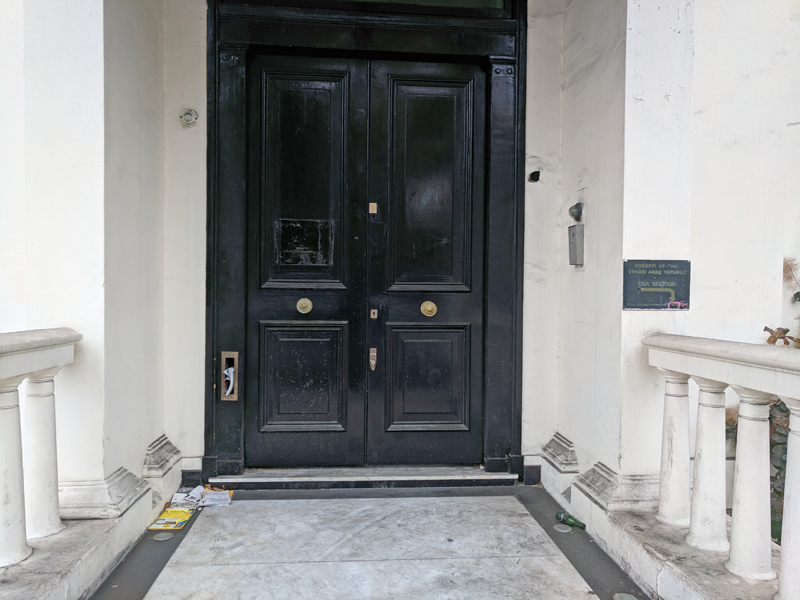
The only embassy on the north side of Belgrave Square is the one belonging to Syria at no.8 and which has been closed since the Ambassador was expelled in 2012.

IMG_20171102_141206

Leaving the square and heading north round Wilton Crescent we pass between the Romanian Cultural Institute at No.1 and a statue of Robert Grosvenor, 1st Marquess of Westminster (1767–1845) which was only erected in 1998. Outside of his political life, he was both a Tory and a Whig MP, Grosvenor was best known for his art collection which included four Rubens’ and Gainsborough’s The Blue Boy, for which he paid £100, and as a breeder of racehorses. The finest horse produced by his stud was Touchstone who won 16 of the 21 races he entered and went on to sire 323 winners of over 700 races.

Wilton Crescent is home to the Luxembourg Embassy and once we’ve passed that we veer off down Wilton Row to arrive at today’s pub of the day, The Grenadier. Located in what is essentially another mews, the Grenadier was originally built in 1720 as the officers’ mess for the senior infantry regiment of the British army, the 1st Regiment of Foot Guards.  It was opened to the public in 1818 as The Guardsman and was subsequently renamed in honour of the Grenadier Guards’ actions in the Battle of Waterloo.  Past patrons  have included the Duke of Wellington, King George IV and, more recently, Madonna.  It is also said to be haunted by the ghost of a subaltern who was beaten to death for cheating at cards. The beer’s expensive but I did have a very good fish finger sandwich.

After leaving the pub we wend our way round the appropriately named Old Barrack Yard and find ourselves back on Knightsbridge. Turning east we pass by the Libyan Embassy, which appears to be fully operational still, and the Wellesley Hotel which occupies the building that started life as the original Hyde Park Corner tube station, designed by architect Lesley Green, and was later for many years the home of iconic jazz and cabaret venue, Pizza on the Park.

IMG_20171102_151320

Turning round the corner past the Lanesborough Hotel again we cross from Grosvenor Place onto Duke of Wellington Place and then pass through the Commonwealth Memorial gates and make our way down Constitution Hill.

This “hill”, which wouldn’t even merit that description if it was situated in the heart of the Fens, leads of course to Buckingham Palace.  It was George III who first brought Buckingham House (as it was known originally) into the Royal fold when he acquired it in 1761 for his wife Queen Charlotte to use as a family home. On his accession in 1820, George IV decided to transform the house into a palace with the help of architect John Nash. Nash retained the main block but doubled its size by adding a new suite of rooms on the garden side facing west in addition the north and south wings of Buckingham House were demolished and rebuilt with a triumphal arch – the Marble Arch – as the centrepiece of an enlarged courtyard, to commemorate the British victories at Trafalgar and Waterloo. By 1829 the costs had escalated to nearly half a million pounds which cost Nash’s his job, and on the death of George IV in 1830, his younger brother William IV took on Edward Blore to finish the work. William never moved into the Palace. In fact, when the Houses of Parliament were destroyed by fire in 1834, he offered the Palace as a new home for Parliament, but the offer was declined. So Queen Victoria was the first sovereign to take up residence in 1837 and a year later she was the first British sovereign to leave from Buckingham Palace for a Coronation. She was responsible for the creation of a fourth wing,  which necessitated moving the Marble Arch to the north-east corner of Hyde Park, paid for from the proceeds of the sale of George IV’s Royal Pavilion at Brighton. The present forecourt of the Palace, where Changing the Guard takes place, was formed in 1911, as part of the Victoria Memorial scheme.

This slideshow requires JavaScript.

Cutting in between the front of the Palace and the Memorial takes us onto Spur Road and then Buckingham Palace Road. Immediately in front of the 19 State Rooms sits the Queen’s Gallery which really only seems to exist to justify its lavish accompanying gift shop (FYI if you want Canalettos you van get them for free at the Wallace Collection).

On the subject of gift shops, if you continue down to the Buckingham Palace Road you find two further bits of evidence for the case that the only reason the monarchy still exists is as a sop to the tourist industry.

IMG_20171102_154033
Entrance to the Royal Mews

Just after the Royal Mews we turn right into Lower Grosvenor Place then continue across Grosvenor Place into Hobart Place. At no.4 is a blue plaque marking this as a residence of the German composer Felix Mendelssohn (1809-1847). In his all too brief life Mendelssohn visited England ten times and spent a total of about four months at this address across four or five of those stays. His first impression of London was ambivalent, describing it in 1829 as ‘the grandest and most complicated monster on the face of earth’. Some years later though he admitted “[there is] no question that that smoky nest is my preferred city and will remain so. I feel quite emotional when I think of it.”

Continuing west we turn into Eaton Square and nip into St Peter’s Church. This was originally built between 1824 and 1827 in a neoclassical style designed by Henry Hakehill.  That building burnt down, and in 1837 was rebuilt from Hakewill’s drawings by one of his sons. Fire gutted the building again in 1987, the handiwork of an anti-Catholic arsonist who mistook the denomination of the church. The church was rebuilt around the Georgian shell and opened again in 1991 with a modernist interior. As chance would have it, when I visited the renowned violinist, Tamsin Little, was in rehearsal for a concert later that evening.

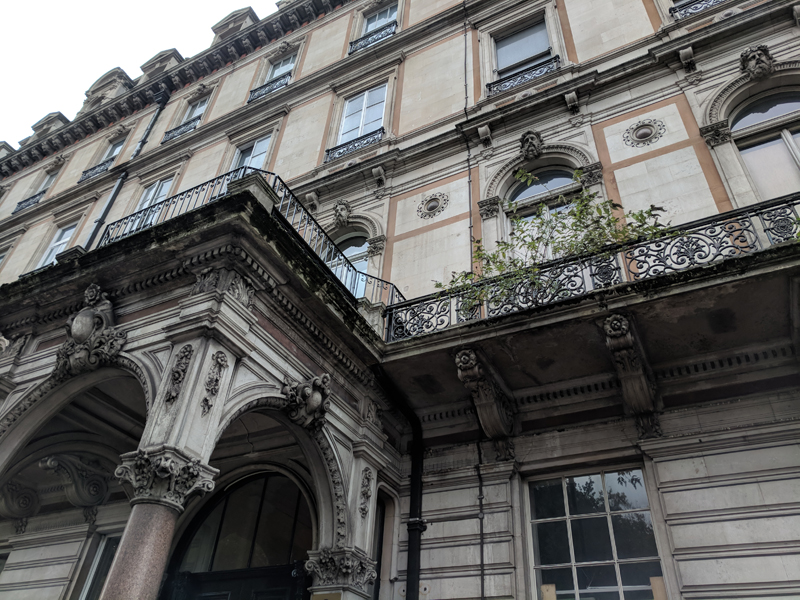
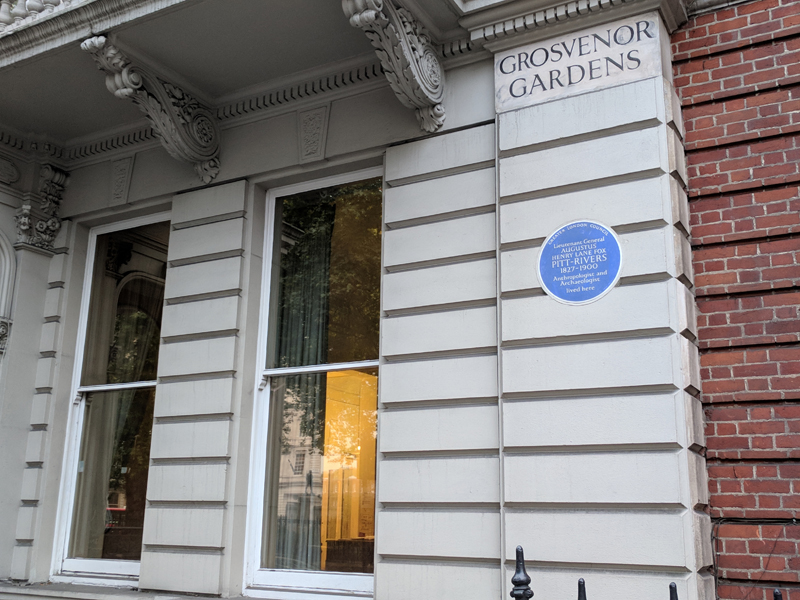
Leaving the church we retrace our steps part way back down Hobart Place then cut down Grosvenor Gardens which was once home to the extravagantly monickered Victorian archeologist, Augustus Henry Fox-Lane Pitt Rivers (1827-1900). Genealogical fact of the day : William Fox-Pitt, the Olympic equestrian, is his great great grandson.
IMG_20171102_160012

At this point we needed to head off-piste to visit the facilities at Victoria Station, which, unlike those at every other mainline station I can think of, are free of charge. And with that useful tip I think we’ll wrap it up there for today.


Day 46 – Hyde Park – Knightsbridge – Belgrave Square

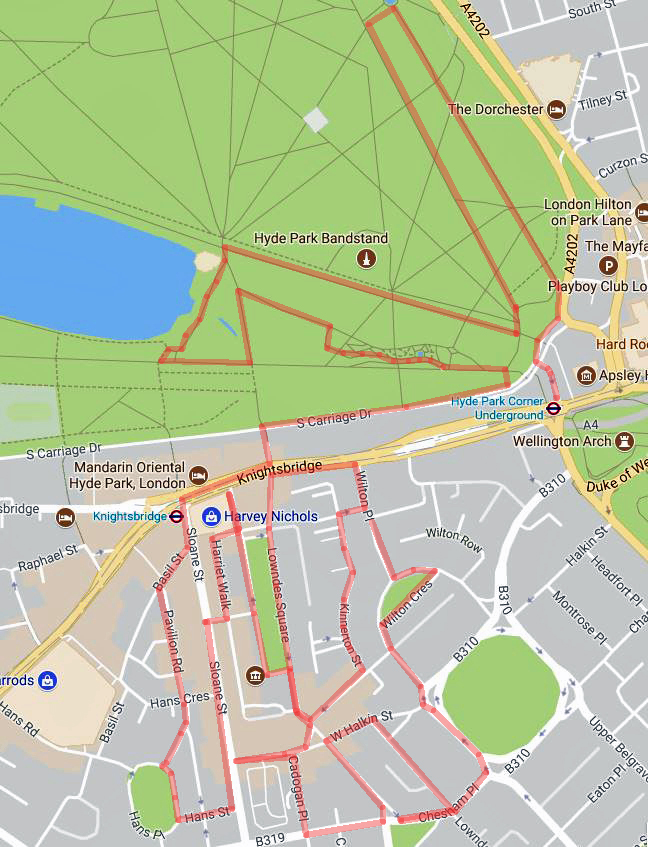
As flagged up in the last post, we’re now finally done with the City of London so for a complete change of scene we switch back over to the west side of our target area and swap the skyscrapers, livery halls and 17th century churches for green expanses, embassies and temples of consumerist excess. Starting out from Hyde Park Corner today’s walk takes us on a circuit of the south-eastern corner of the park before heading down through Knightsbridge to Belgravia and back.

Day 46 Route_x

We enter the park through Apsley Gate, built in 1826-29 from Portland stone and designed by a then 25 year old Decimus Burton (who, if we assume the Jacob Rees-Mogg scoring system must have been at least the tenth child to emerge from his poor mother). We then head north up Lovers Walk which takes us almost immediately past the statue of Achilles. This was installed in 1822 by order of King George III in commemoration of the Duke of Wellington and was made using 33 tonnes of bronze from captured French cannons. Initially the statue was fully nude but a public outcry soon led to the addition of a strategic fig leaf. A short way further on is the memorial to the victims of the 7 July 2005 London bombings, comprised of 52 stainless steel stelae each representing one of those who died. At the Joy of Life fountain (which was the southernmost point of our previous foray into Hyde Park, what seems like eons ago now) we about-face and head back down Broad Walk. What struck me most about the park on this visit was the sheer number of squirrels around; they were always fairly plentiful but these days they’re giving the pigeons a run for their money in the proliferation stakes.

This slideshow requires JavaScript.

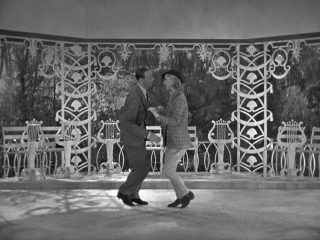
At the end of Broad Walk we turn right along Serpentine Road past the bandstand which has stood on the north side here since 1886 when it was relocated from Kensington Gardens seventeen years after it was built. Fred Astaire and Ginger Rodgers’s performance of “Isn’t it a Lovely Day to be Caught in the Rain” from the 1935 film Top Hat was supposedly set on the Hyde Park bandstand but, sadly, was actually filmed on a soundstage at RKO’s Hollywood studios.

astaire_rodgers

The Serpentine lake in Hyde Park, 11.34 hectares in size, was created in 1727-31 at the instigation of Queen Caroline, wife of George II. It was formed by damming the Westbourne stream and was one of the first artificial lakes allowed to settle into a natural shape. There is a small memorial to Caroline at the eastern end of the lake that was unveiled by HM in 1990. The Serpentine is a big magnet for wildfowl and for visitors willing to feed them. On the other side of the path running along the eastern edge of the lake is another small monument, erected in 1870, with a plaque the first line of which reads “A supply of water by conduit from this spot was granted to the Abbey of Westminster with the Manor of Hyde by King Edward the Confessor.” The spring this refers to supplied water to the precincts of Westminster until it was cut off by drainage work in 1861.

This slideshow requires JavaScript.

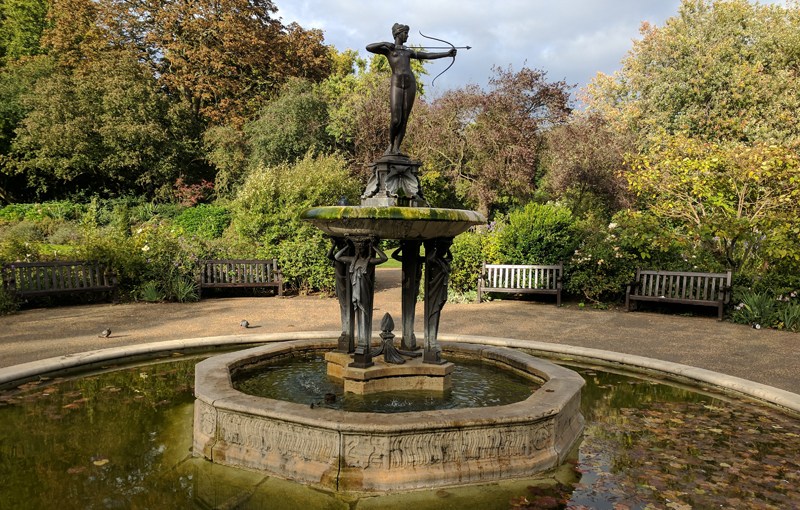
Skirting the eastern end of the Serpentine takes us down onto Rotten Row which is a corruption of the French ‘Route de Roi’. After just a few yards we head off the road up by the side of the small garden known as the Dell and continue east through the Holocaust Memorial Garden to the Rose Garden. The Rose Garden incorporates two fountains : one with a statue of Diana the Huntress which was sculpted by (the wonderfully-named) Lady Feodora Gleichen in 1899 and the other dating from 1862 with a statue of a Boy and Dolphin by Alexander Munro. En route to the garden we pass a strange looking tree populated by a flock of the much maligned Green Parakeets. Somewhat lazily I was just going to refer to this as a runner bean tree (for obvious reasons) but having bothered to look it up I find it’s called an Indian Bean Tree (though it originates from the US). I like to think it’s related to the runner bean plant anyway; and if I had an allotment I’d stick one of these in there just to freak out the neighbours.

This slideshow requires JavaScript.

On reaching the end of Rotten Row we turn west again and follow South Carriage Drive down to Albert Gate. This short stretch of road leading onto Knightsbridge houses two embassies; France on the east side and Kuwait on the west.

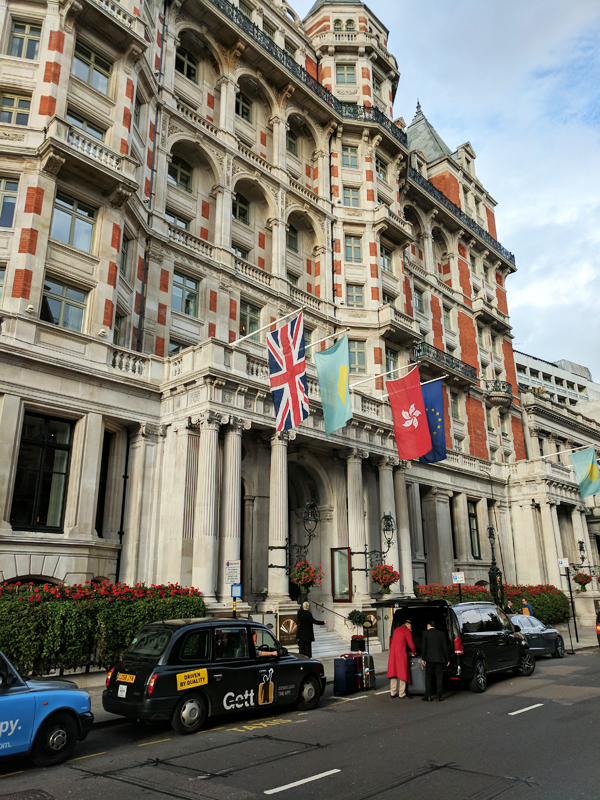
On Knightsbridge itself we turn right and pass in front of the Mandarin Oriental Hotel. The building was originally constructed in 1889 as an exclusive ‘Gentleman’s Club’ and was the tallest building in the capital, outraging local residents who petitioned unsuccessfully to have the number of floors reduced. Ten years after it opened a fire caused extensive damage and following restoration it re-opened in 1902 as the Hyde Park Hotel, considered the grandest in London at the time.   Tradition has it that Queen Victoria wouldn’t allow any form of advertising within the Park, and therefore insisted that the main entrance, with the hotel’s name above it, be moved from the Park side to Knightsbridge. As a corollary she decreed that the original entrance be preserved for Royal use, unless permission is otherwise granted by the Royal Household, a practice which has been upheld ever since. The Mandarin Oriental Group took over the property in 1996 and gave it a £57m makeover.

IMG_20171004_161623

Across the road is Harvey Nichols which traces its origins back to 1831 when one Benjamin Harvey opened a linen shop in a terraced house on this corner of Knightsbridge and Sloane Street. Over the next ten years it expanded into several adjoining properties and during this time James Nichols joined the business and eventually married Harvey’s niece. When Harvey died in 1850 his wife, Anne, went into partnership with Nichols and Harvey Nichols was formed. In 1889, by which time the Harveys’ son Benjamin Charles was the sole remaining partner, the block was demolished and a new purpose-built department store built over the next five years to the design of architect, CQ Stephens.  In 1985 Harvey Nic’s was bought by the Burton Group who sold it six years later to Hong Kong magnate, Dickson Poon, who in turn floated it on the Stock Exchange after a further five years. I ventured in and had a look around for the first time in a very long while; Menswear is stuck down in the basement then it’s three floors of Ladies’ fashion and ‘beauty’ products before Homeware on Level 4 and the Café and Foodmarket on 5. Wasn’t especially busy but then I guess even round here there’s a ceiling on the number of women prepared to pay £250 for a pair of jeans that are not so much distressed as given the full Psycho shower-scene treatment.

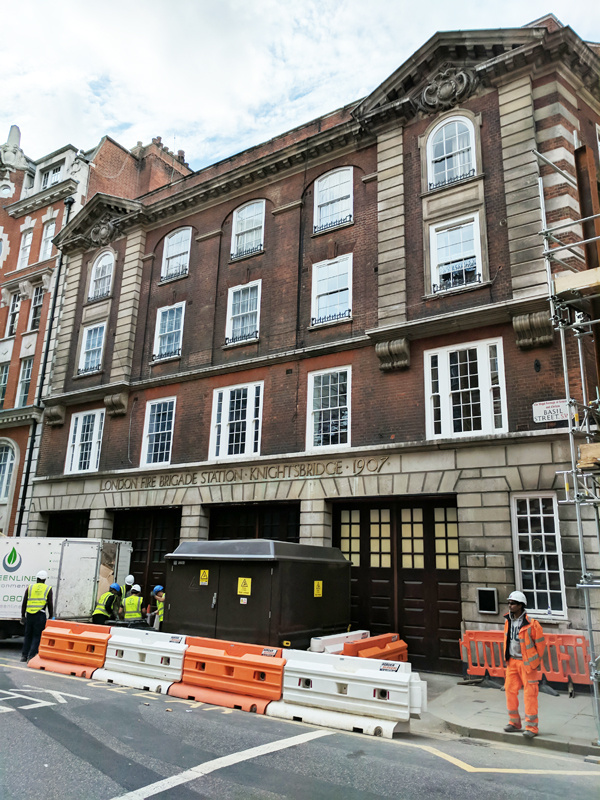
We turn the corner into Sloane Street and almost immediately fork off right into Basil Street. At no.16 is the former Knightsbridge Fire Station which closed up in 2014 after 107 years of service and is now of course undergoing conversion into luxury residences.

IMG_20171004_162936

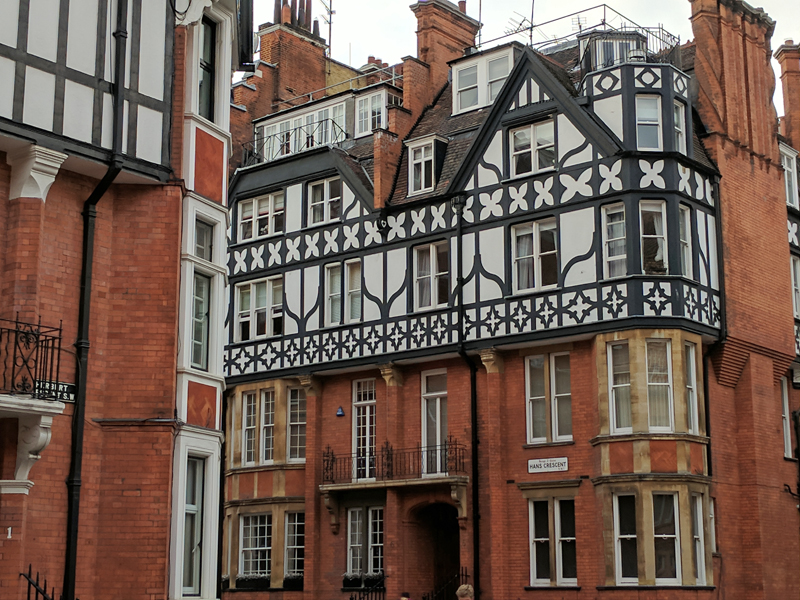
Beyond the ex-Fire Station we veer left down Pavilion Road then fork right into Herbert Crescent before continuing south round Hans Place into Hans Street.

IMG_20171004_163354

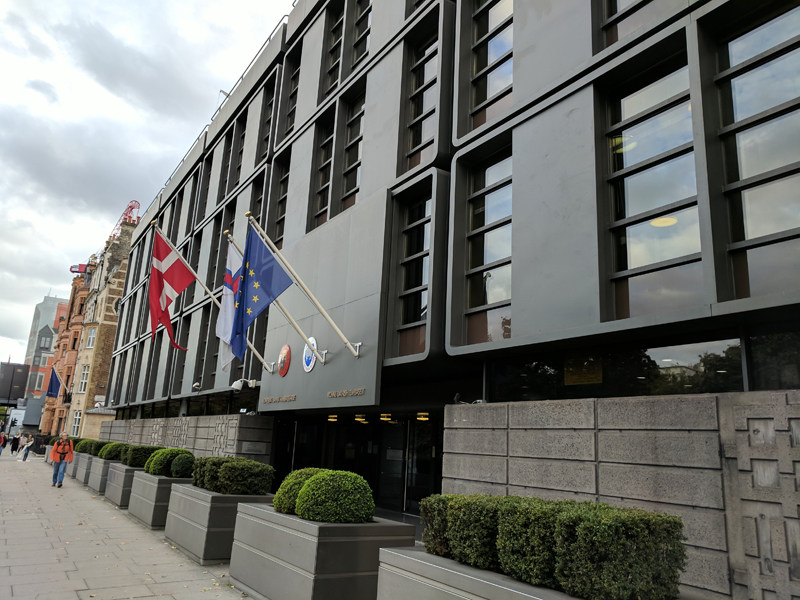
Turn east briefly then head north again up Sloane Street. A short way up on the west side is the Danish Embassy and the kindest description I can find for this building is “jarringly modernist”.

IMG_20171004_163827

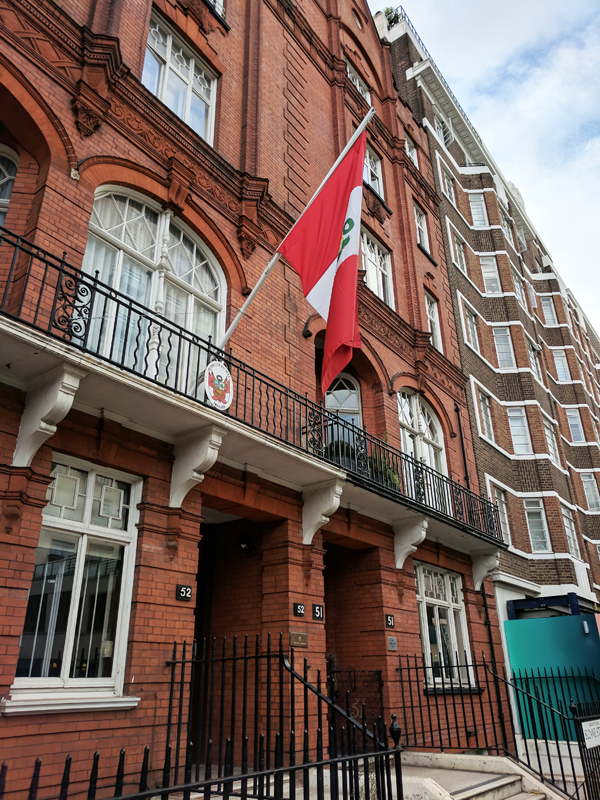
Three doors further up, at no.52, the Peruvian Embassy has a rather more typical home.

IMG_20171004_163850

On its own website Sloane Street describes itself as being “internationally recognised as one of the world’s most exclusive and luxurious shopping destinations.” Difficult to argue with that based on the sheer number of brand names lining either side of the road – from Armani to Versace via Dior, Gucci and Prada (to name but a handful). Makes Bond Street seem almost low rent.

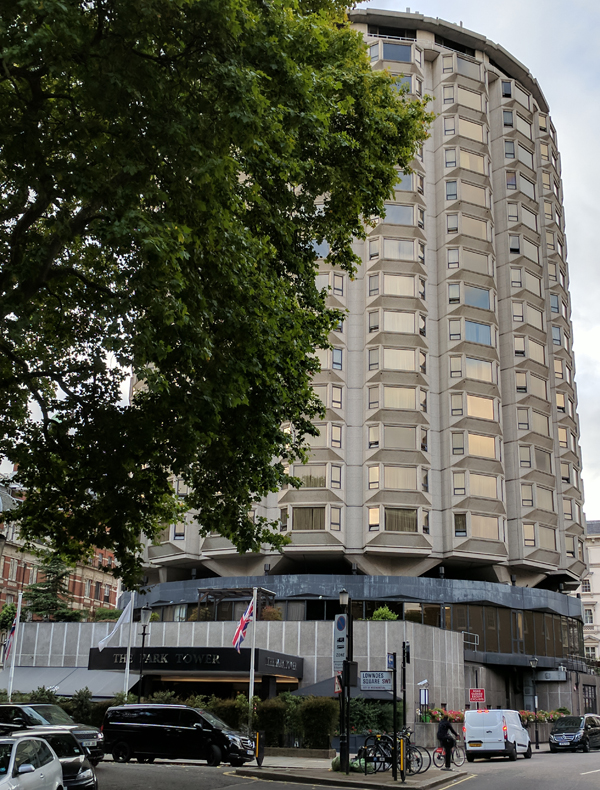
Half way up this parade of glamorous excess we turn off to the right down Harriet Street and then follow Harriet Walk round to the bottom of Seville Street. After a quick visit to the latter we head south round the western side of Lowndes Square then circle round to return north up the east side. This brings us face to face with the brutalist monstrosity that is the Park Tower Hotel. Still it’s what’s on the inside that counts we’re always told and this inside will still set you back £300+ a night.

IMG_20171004_165056

William Street takes us back up to Knightsbridge where we turn eastward as far as Wilton Place. Go south for about 50m then head west into Kinnerton Street which quickly switches direction to continue southward. This is more of a mews than a street and has tried to cultivate a sort of urban village vibe (which makes a pleasant contrast to some of its neighbours) with a couple of bijou pubs and even a village store.

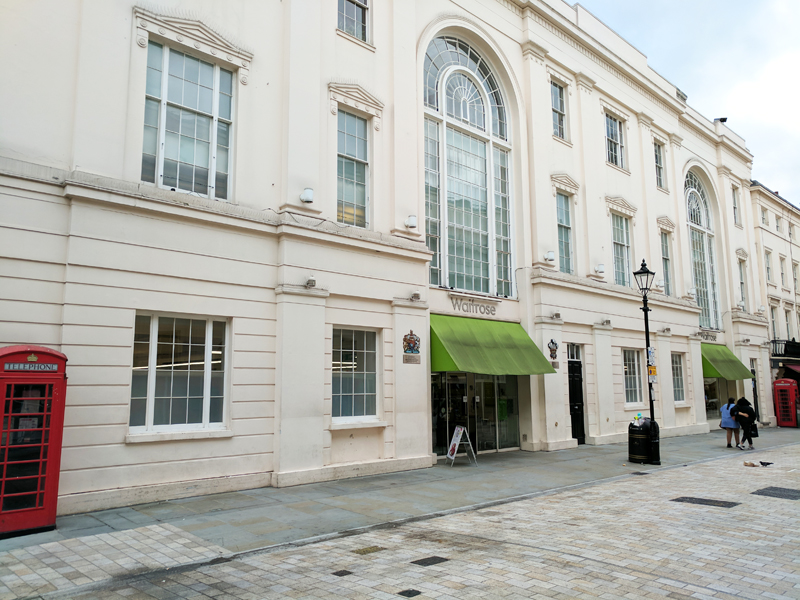
Kinnerton Street ends at Motcomb Street where a right turn takes us past what is almost certainly the poshest Waitrose in the country (if that’s not a tautology).

IMG_20171004_170216

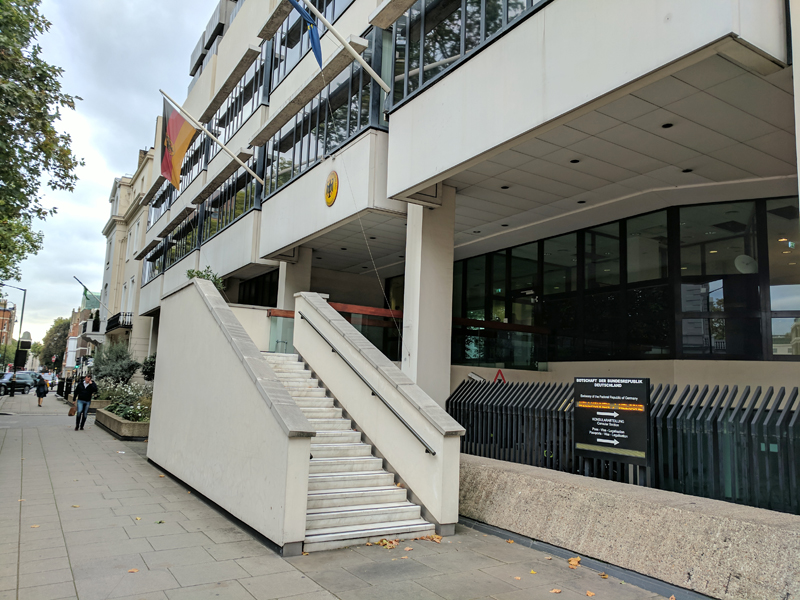
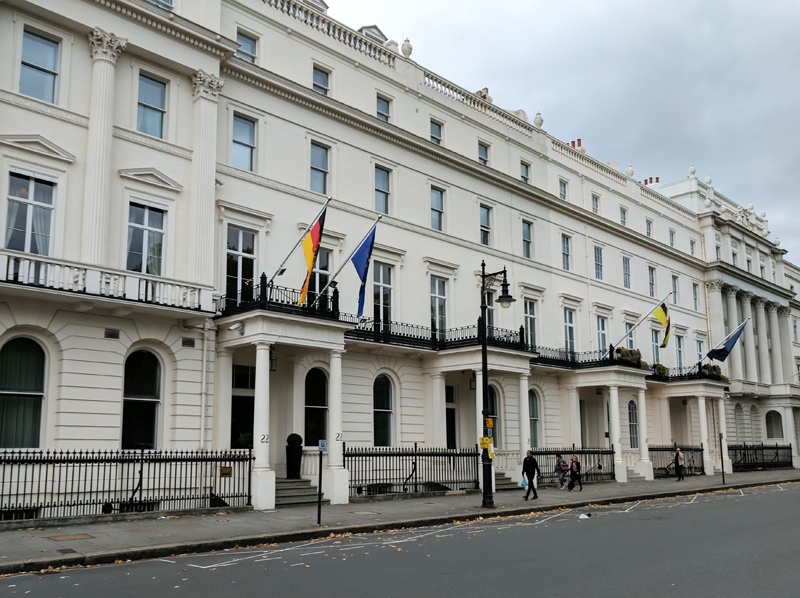
Continue west into Lowndes Street then venture south on Cadogan Place, east on Pont Street and north on another stretch of Lowndes Street. At the top we turn back east onto West Halkin Street before heading south down Belgrave Mews West. This takes us past the back of the Austrian Embassy and through the middle of the complex of old and new that is the German Embassy. This is the new bit which fronts onto Chesham Place.

IMG_20171004_171435

The Embassy of Finland is opposite and Spain is on the corner with Belgrave Square.

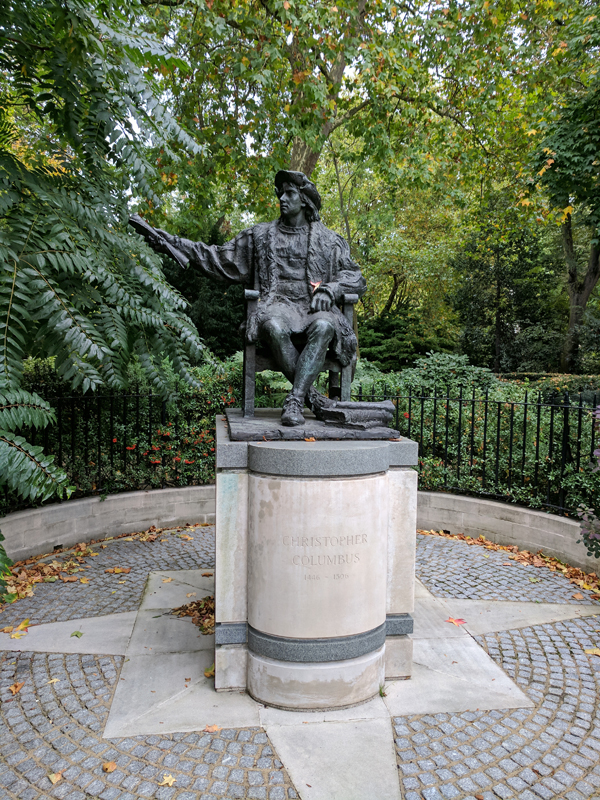
Belgrave Square was created in the 1820’s for the 2nd Earl Grosvenor, later the Marquess of Westminster. The communal garden (from which the public are naturally excluded) is 2 hectares in size and has a Grade II listing in The Register of Historic Parks and Gardens. In the south western corner of the square is a bronze statue of Christopher Columbus, sculpted in 1992 and gifted by the people of Spain (yes every single one of them).

IMG_20171004_171931

We’ve only time to visit the west side of the square this time out and we’ve already noted that the Spanish Embassy is at no.24 and the German at 21-23. The Austrians have had their embassy at no.18 since 1866 when it was actually attributable to the Austro-Hungarian Empire’s Foreign Service.

IMG_20171004_171901

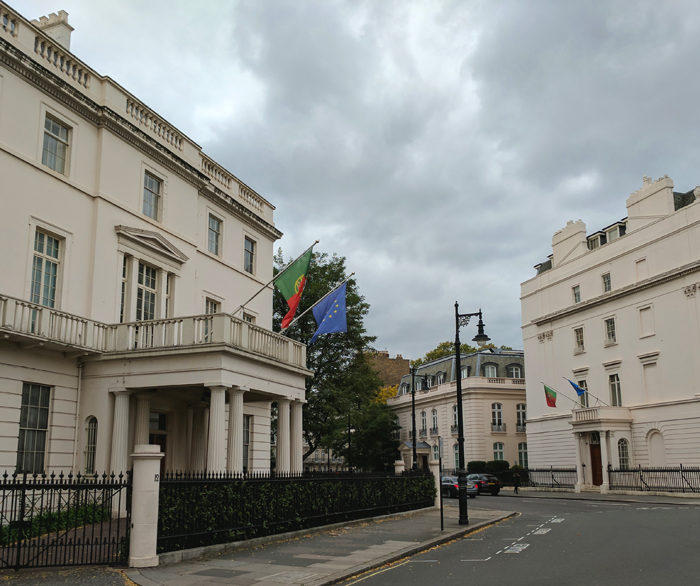
Turning the corner at the top of the square we pass by the Embassy of Portugal before heading up Wilton Terrace.

IMG_20171004_172216

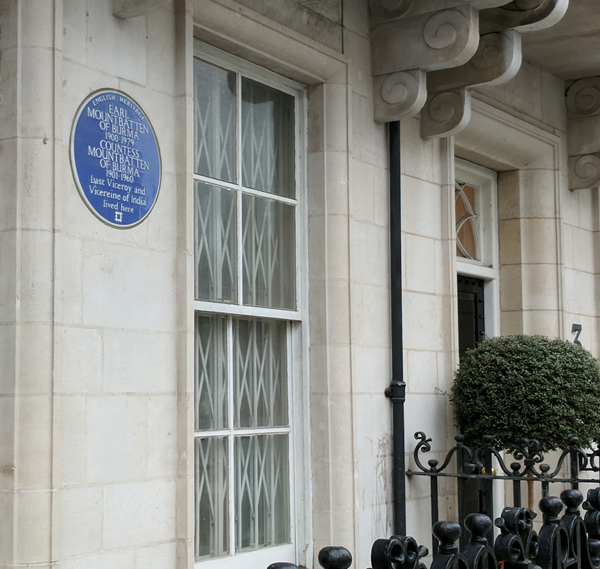
In Wilton Terrace we have the first blue plaque we’ve come across in quite a while – commemorating the residence of Louis Mountbatten, 1st Earl Mountbatten of Burma (1900 – 1979). Earl Mountbatten (born Prince Louis of Battenberg) was an uncle of Prince Philip and Queen Elizabeth’s second cousin once removed. During the Second World War he was Supreme Allied Commander, South East Asia Command. In 1947 he became the last Viceroy of India and from 1954 to 59 he served as First Sea Lord of the Admiralty. It is particularly sad therefore that for those of my generation he will probably always be best remembered for the manner of his death – blown up by a Provisional IRA bomb planted in his fishing boat in County Sligo, Ireland.

IMG_20171004_172354

Well we’re just about at the end for today and we haven’t had a church yet so for those of you suffering withdrawal symptoms we’re going to finish at St Paul’s Church which we reach by cutting across Wilton Crescent and circling back up into Wilton Place. St Paul’s was consecrated in 1843 and was the first church in London to adopt the principles of the Oxford Movement, the so-called ‘Tractarians’ who wished to restore a sense of Catholic order and spirituality to the Anglican church. Accordingly the building is far more elaborately decorated and replete with Christian imagery and symbolism than your average C of E  parish church. Perhaps unsurprising therefore that former-Catholic, the Revered Richard Coles (of the Communards, Radio 4  and now Strictly Come Dancing fame) was curate here in the mid-2000’s.
This slideshow requires JavaScript.