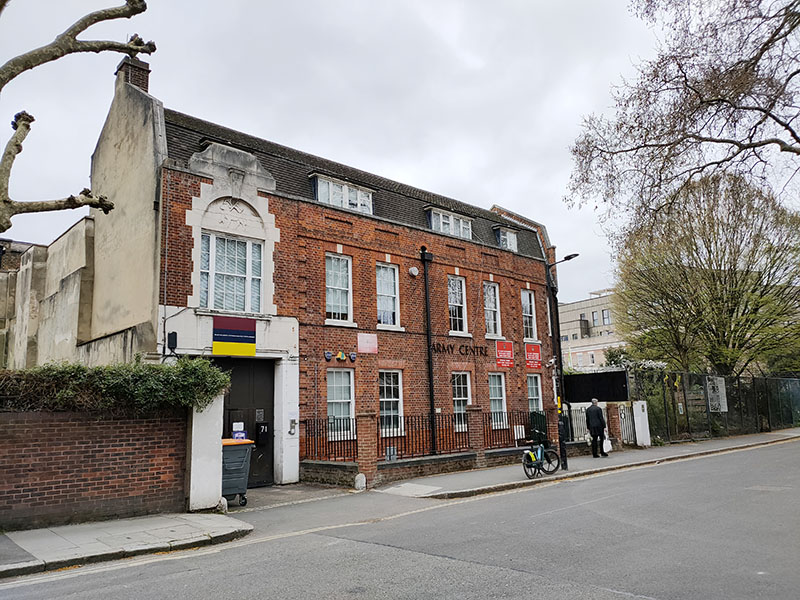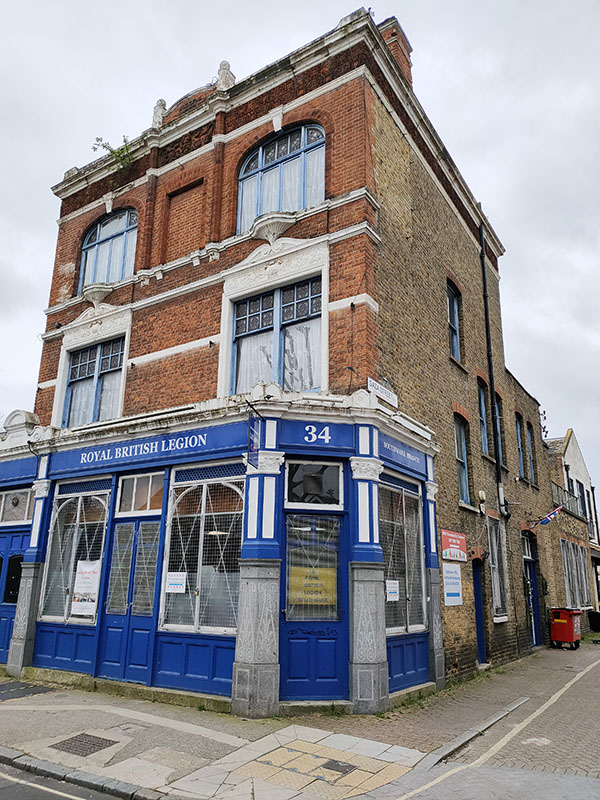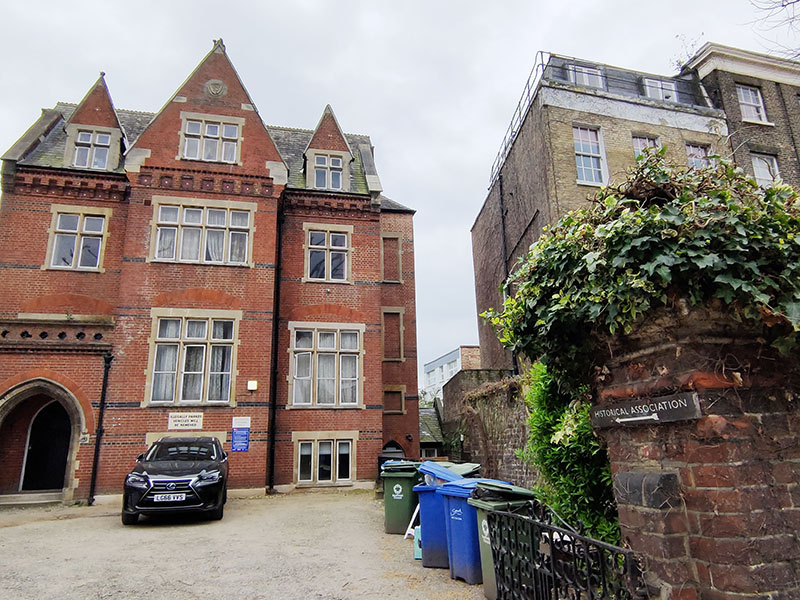
Day 83 – Fulham Road – Old Brompton Road – Cromwell Road – Natural History Museum

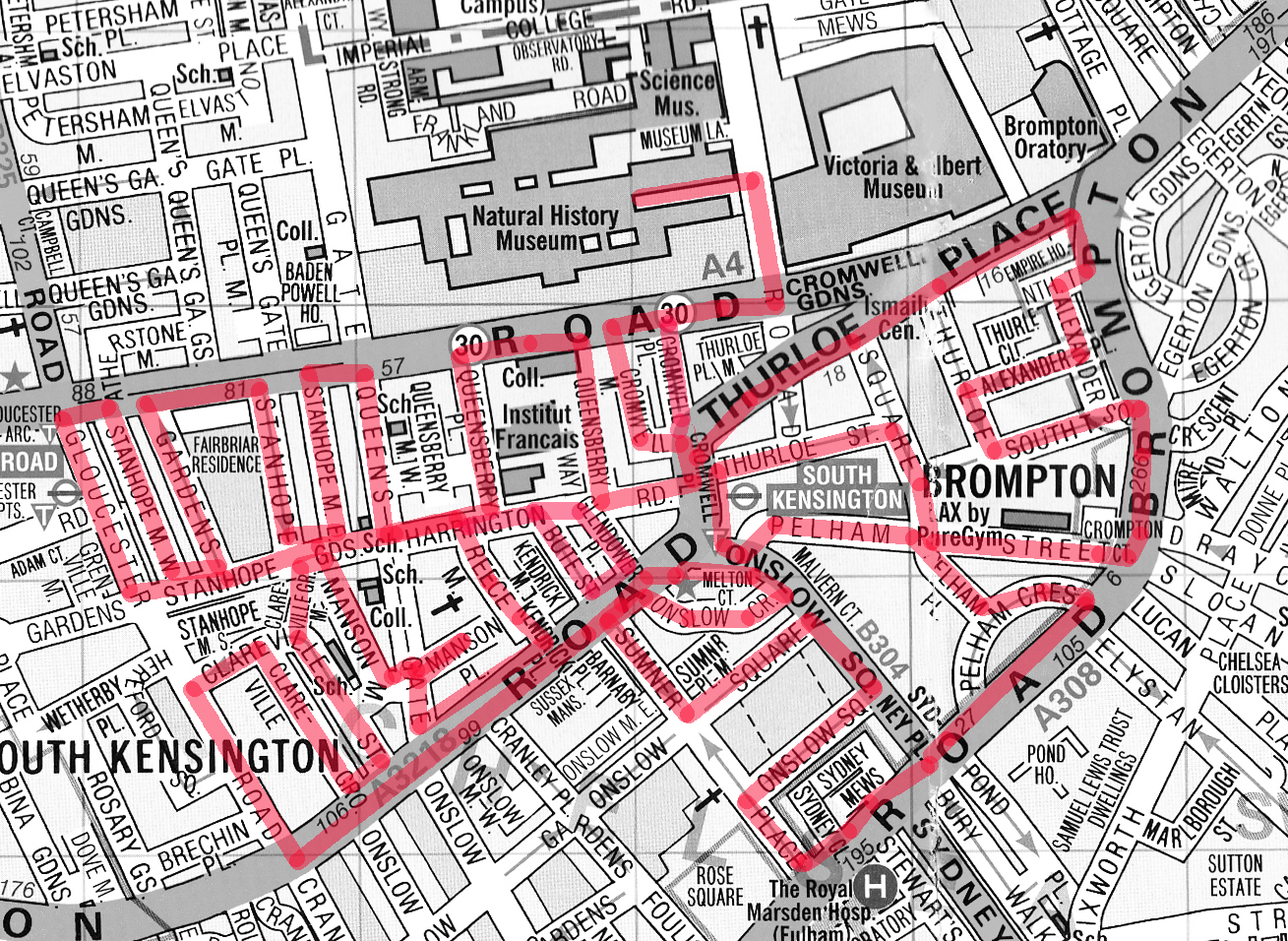
For today’s outing we’ve returned to SW7 to explore the area around South Kensington tube in between the Brompton Road and Gloucester Road. To avoid overload I’ve parcelled up this part of London so that no single post covers more than one of the big three museums on Exhibition Road. We already dealt with the V&A in Day 81 so today it’s the turn of the Natural History Museum where we’ll finish up. En route we’ll encounter a plethora of former residents and delve into the French influence on the area.

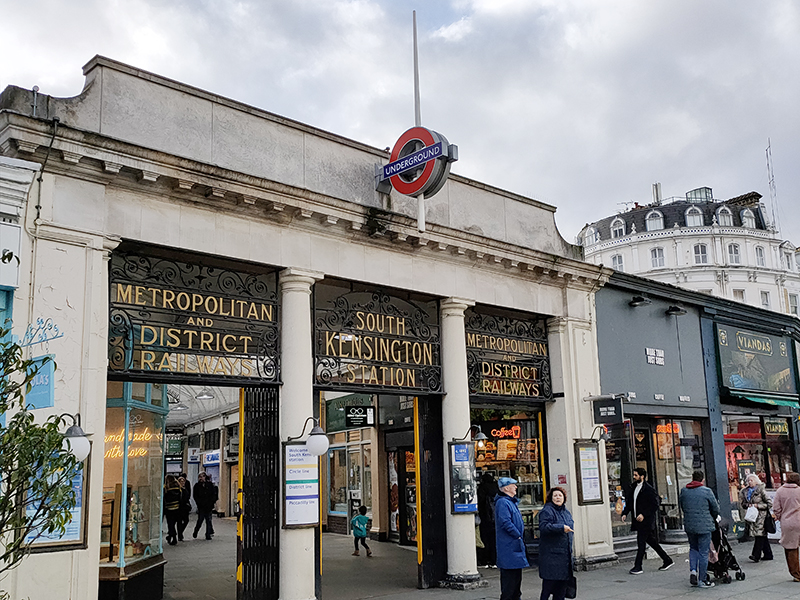
We start out from South Kensington Tube station which opened on Christmas Eve 1868. Designed by Sir John Fowler, it was originally known as Brompton Exchange and formed part of the Metropolitan Line. Following the construction of the deep-level Piccadilly Line link in 1905-06, Leslie Green designed a separate entrance on Pelham Street and George Sherrin was engaged to remodel the existing entrance and booking hall, and lay out a street-level arcade between Thurloe and Pelham Streets. This Edwardian arcade with its glazed barrel-vaulted roof above shops on each side and wrought iron screens at either end is the station’s USP.

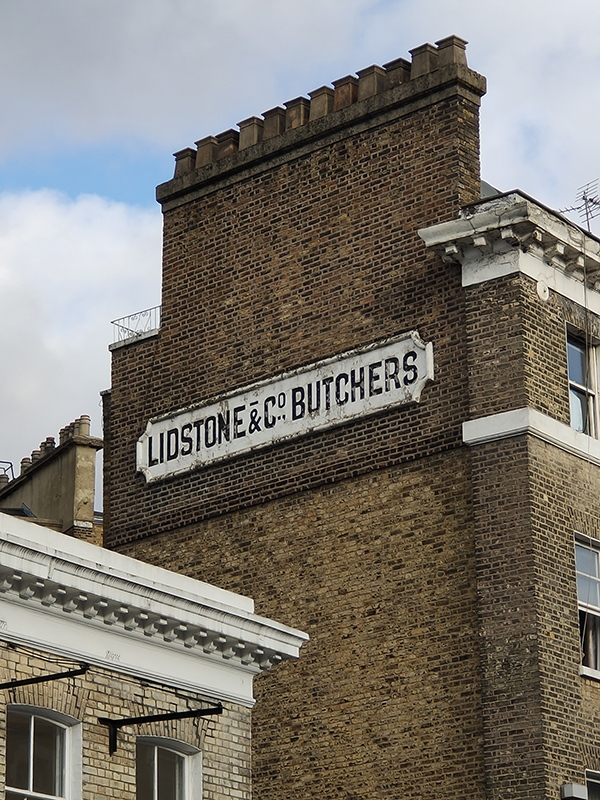
On exiting the station we head east on Thurloe Place, home to this “ghost sign” which dates from 1871 when butchers to the gentry “Lidstone Harris & Co” slimmed down to simply “Lidstone & Co” following Harris Crimp’s retirement from the business leaving Thomas Lidstone to go it alone.

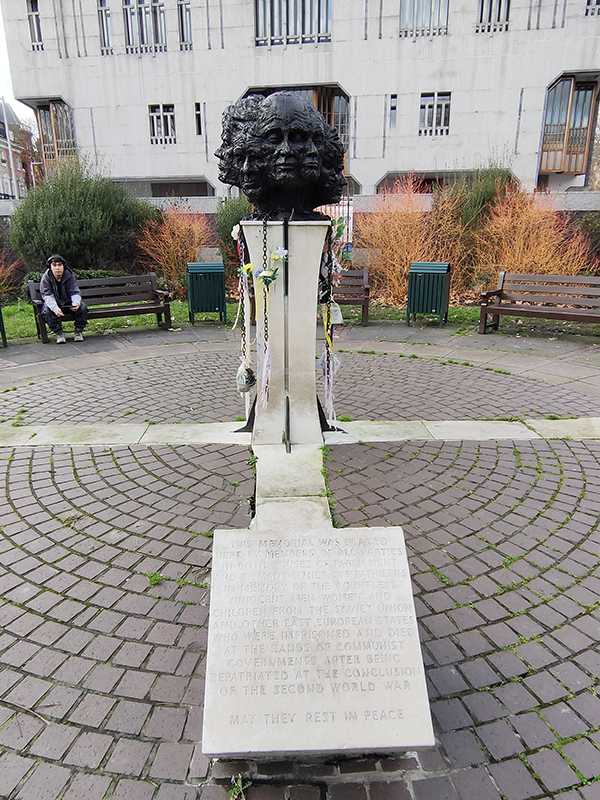
At the nexus of Thurloe Place the tiny Yalta Memorial Garden is home to Twelve Responses to Tragedy, a memorial to the people displaced as a result of the Yalta Conference at the conclusion of WWII. Created by the British sculptor Angela Conner, the work consists of twelve bronze busts atop a stone base. The memorial was dedicated in 1986 to replace a previous memorial (also by Conner) from 1982 that had been repeatedly damaged by vandalism.

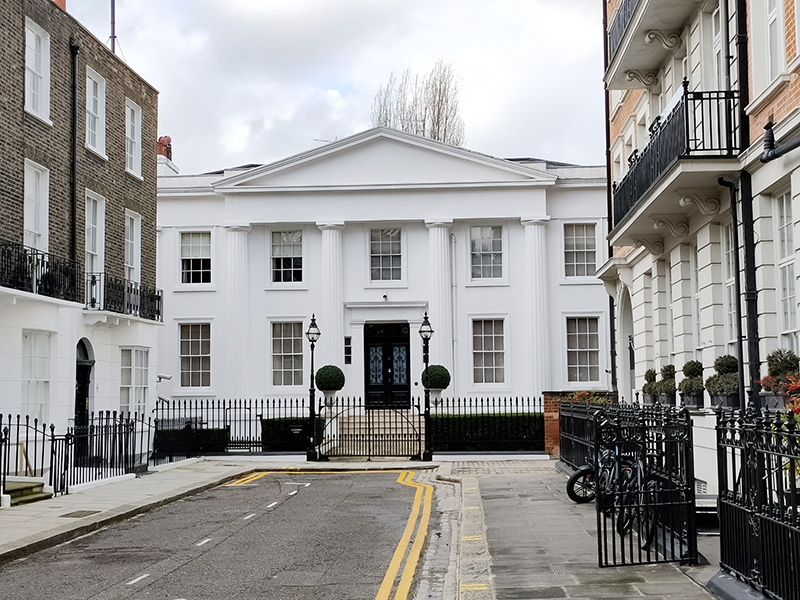
Having turn right onto the Brompton Road we make another right immediately into North Terrace at the end of which is the Grade II listed Alexander House, dating from the early 19th century.

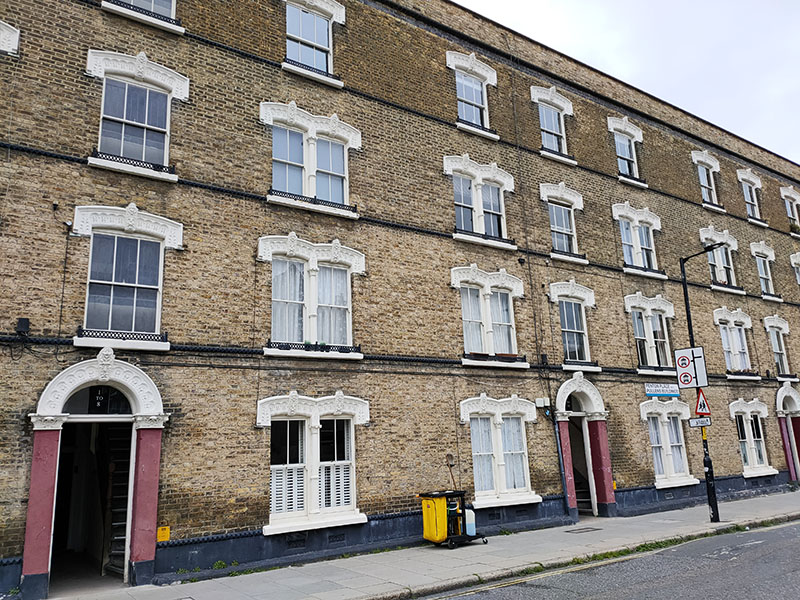
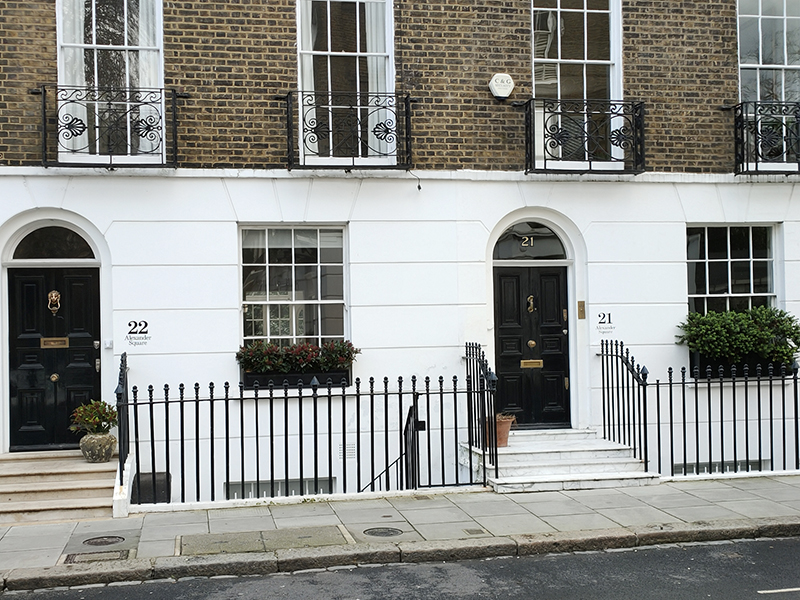
We make our way back to the Brompton Road via Alexander Square, Alexander Place, Thurloe Square and South Terrace. John Thurloe, an advisor to Oliver Cromwell, owned the land round here in the 17th century. John Alexander, godson of one of Thurloe’s descendants developed the area in the 1820’s. Although we’ve seen this type of Georgian housing many times before these residences are somewhat unusual in having the name of the street/square on which they sit painted alongside the property number.

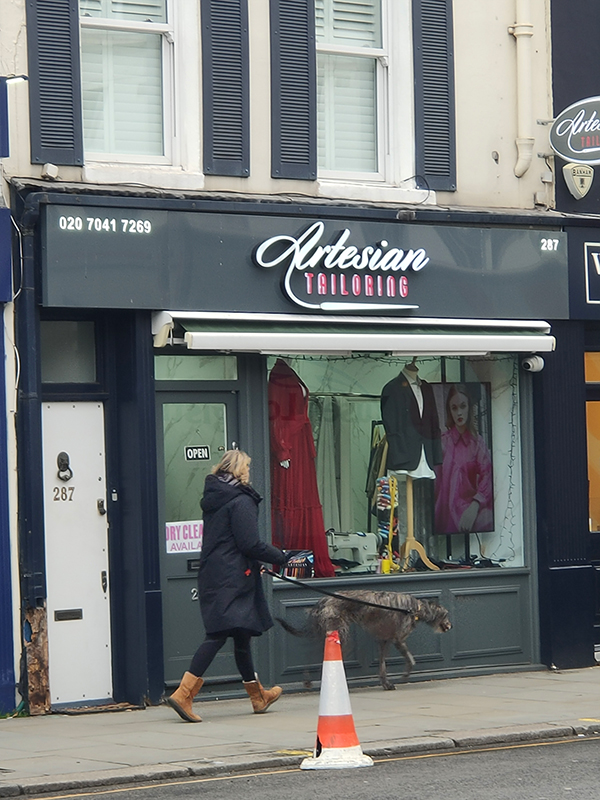
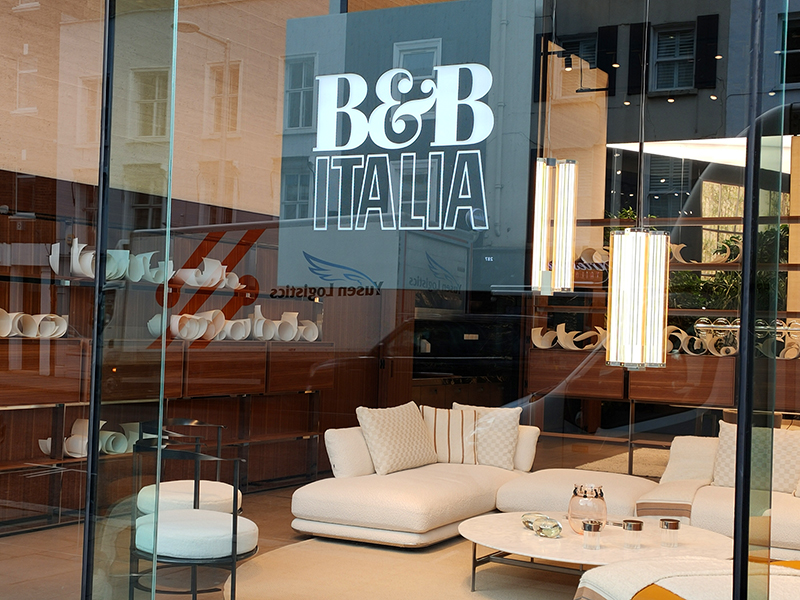
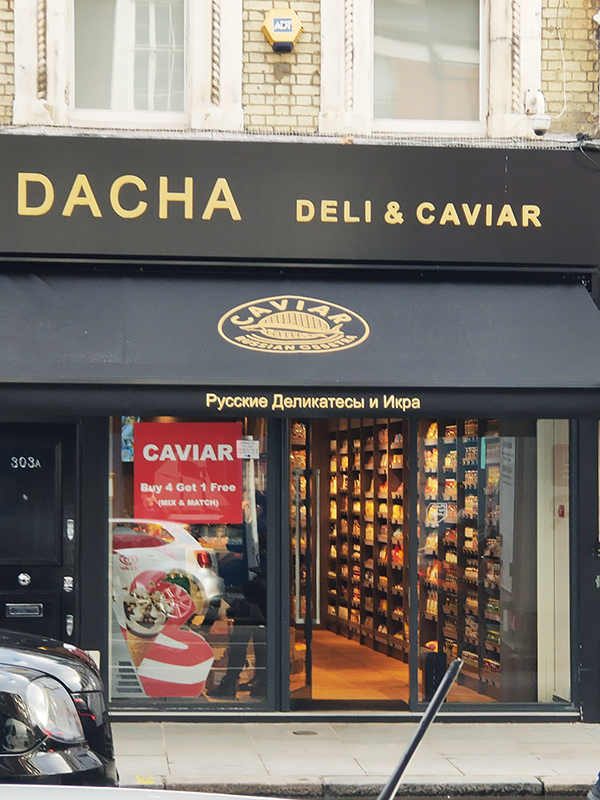
Brompton Road is home to quite a number of independent and exclusive boutiques. On this short stretch down to the top of Sloane Street we have, inter alia, a luxury Italian furniture showroom, a Russian caviar shop and an Artesian (sic) Tailors (presumably everything is Well-fitted).

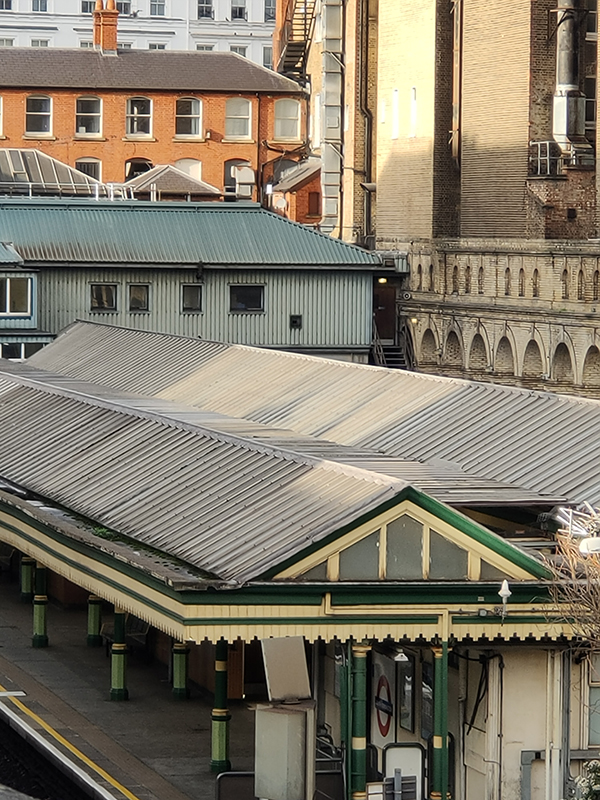
Next, Pelham Street takes us back to South Ken tube which we circumnavigate this time via Cromwell Place, Thurloe Street and Thurloe Square again. From where the latter crosses Pelham Street it is possible to sneak a view of the South Ken Circle & District Line platforms with their original arcaded revetments.

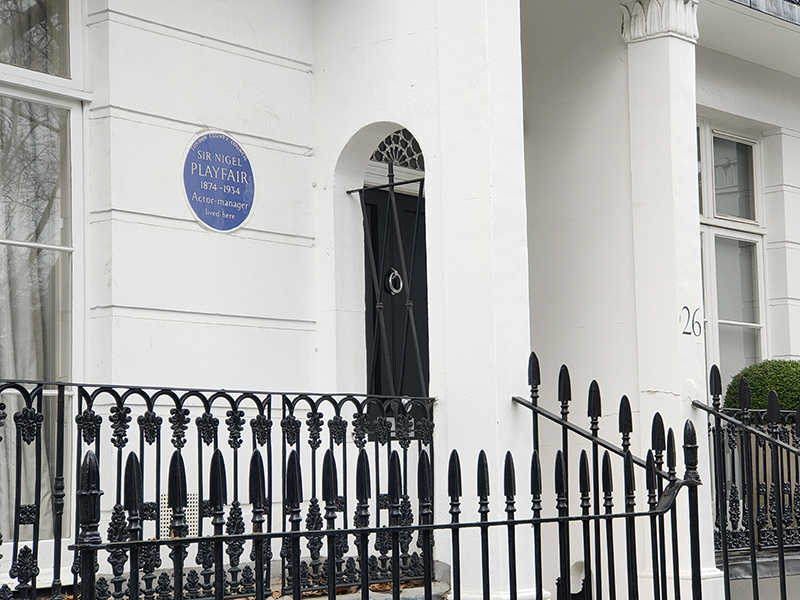
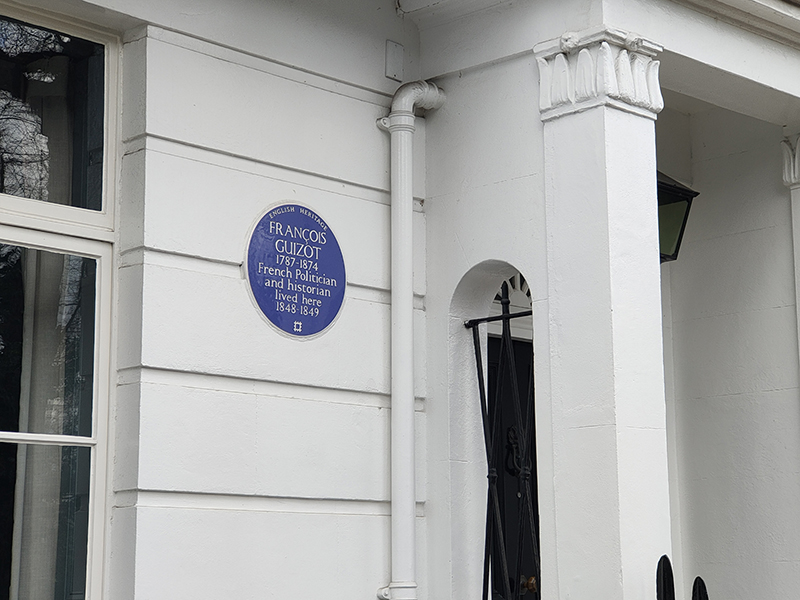
Pelham Place takes us into Pelham Crescent where we find the first of today’s blue plaques. No.26 was once home to Sir Nigel Playfair (1874 – 1934) – good surname, shame about the first part – best known as actor-manager of the Lyric Theatre, Hammersmith. . The French statesman and historian, Francois Guizot (1787 – 1874) lived at no.21 for a couple of years having taken refuge in England following the 1848 revolution in France. That year saw him resign as Prime Minister, after less than six months in the post, in conjunction with the abdication of King Louis Philippe and the founding of the Second Republic.

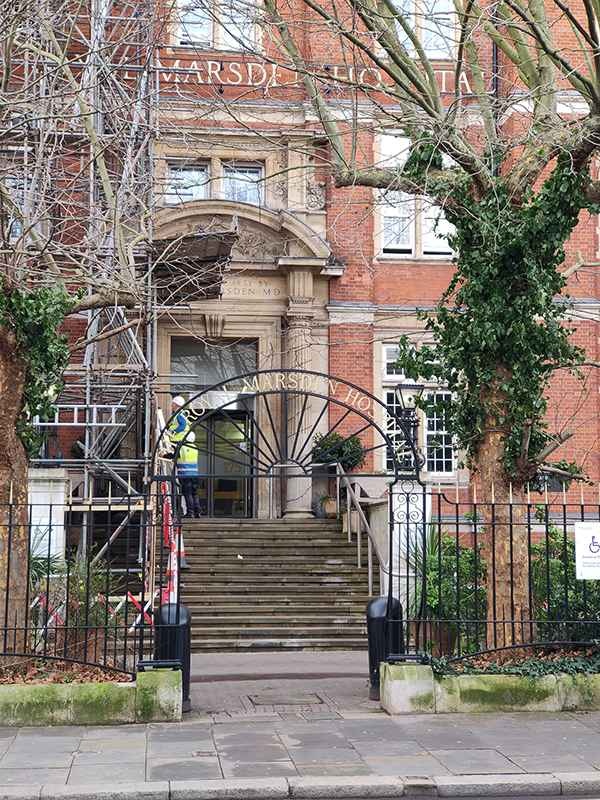
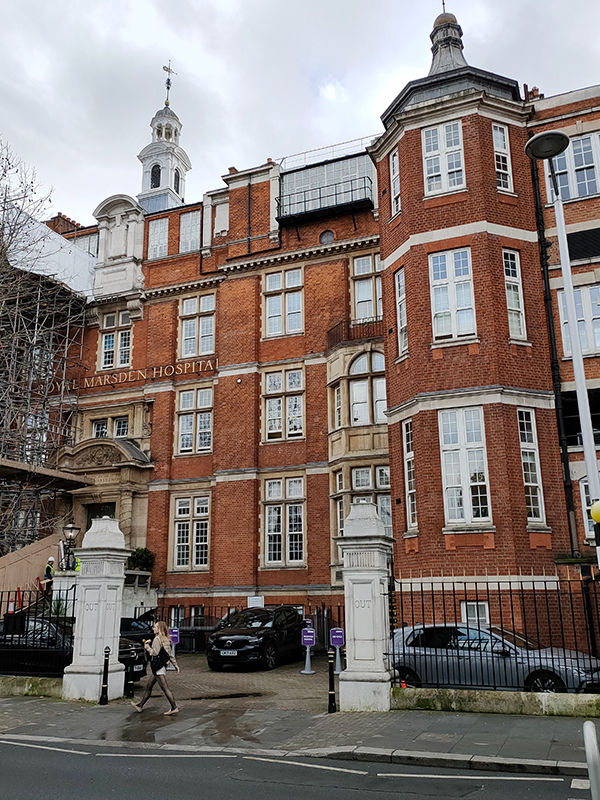
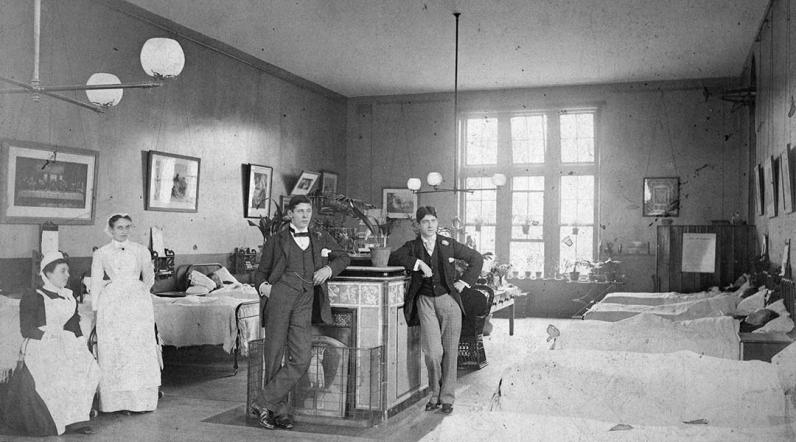
The crescent adjoins the Fulham Road, where, a short way further down, sits one of the two Royal Marsden Hospitals (the other is out in Sutton). The hospital was founded as the Free Cancer Hospital in 1851 by Dr William Marsden, following the death of his wife, Betsy, from the disease. It was originally based in Westminster and initially focused on palliative treatments and symptom relief. However, it quickly outgrew those first premises as it became apparent that some patients required inpatient care. In 1855, the noted philanthropist Baroness Burdett-Coutts, granted a loan of £3,000 which made it possible to purchase the Fulham Road site – about an acre of land. Architect, David Mocatta, drew up the plans for the building which opened in 1862. The hospital was granted its Royal Charter of Incorporation by King George V in 1910 and in 1954 the hospital was renamed The Royal Marsden Hospital in recognition of the vision and commitment of its founder. Back in 1986 I had a temporary job here as a porter for a couple of weeks. A salutary experience that left me with nothing but admiration for all proper NHS workers.

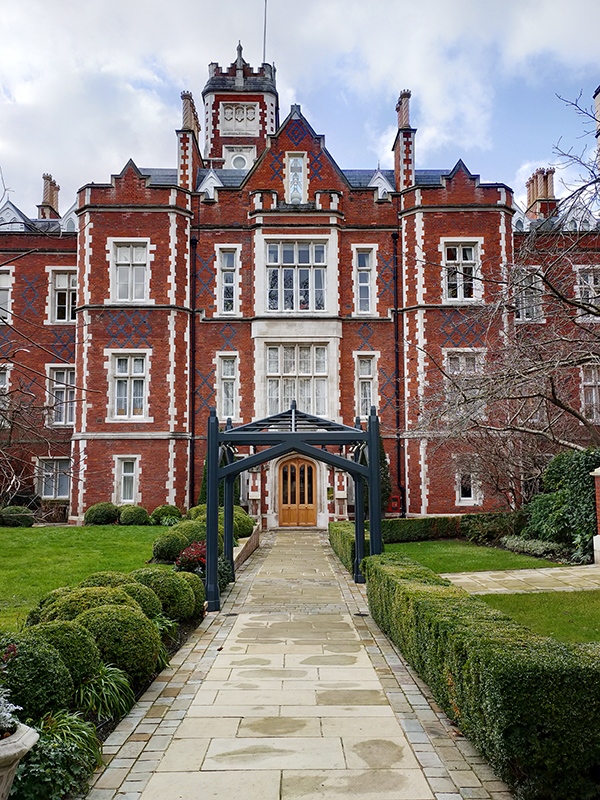
We turn north into Sumner Place, where on the immediate right is the entrance to Rose Square which surrounds The Bromptons, a luxury gated residential development created from the redevelopment of the historic Brompton Hospital. The site was developed as the Brompton Hospital for Consumption and Diseases of the Chest on what was previously market garden land in 1844. Following closure, the hospital was transformed in 1997 into exclusive apartments, whilst retaining its original Victorian architecture.  

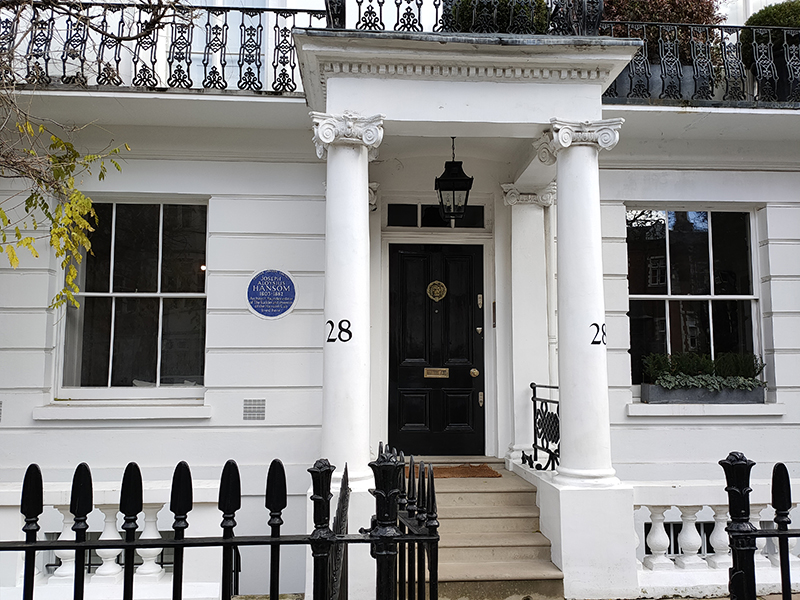
Opposite, at no.27 Sumner Place is a the one-time home of the architect Joseph Aloysius Hansom (1803 – 1882) who is best known as the inventor of the Hansom Cab, the two-wheeled horse-drawn carriage which enjoyed great popularity from the 1830’s up to the introduction of Taximeter Cars (petrol cabs) in 1908. As an architect he was incredibly prolific, designing over 200 buildings, mainly in the Gothic Revival style, including Birmingham Town Hall, Arundel Cathedral and St Walburge’s RC Church in Preston which has the tallest spire of any Paris Church in England.

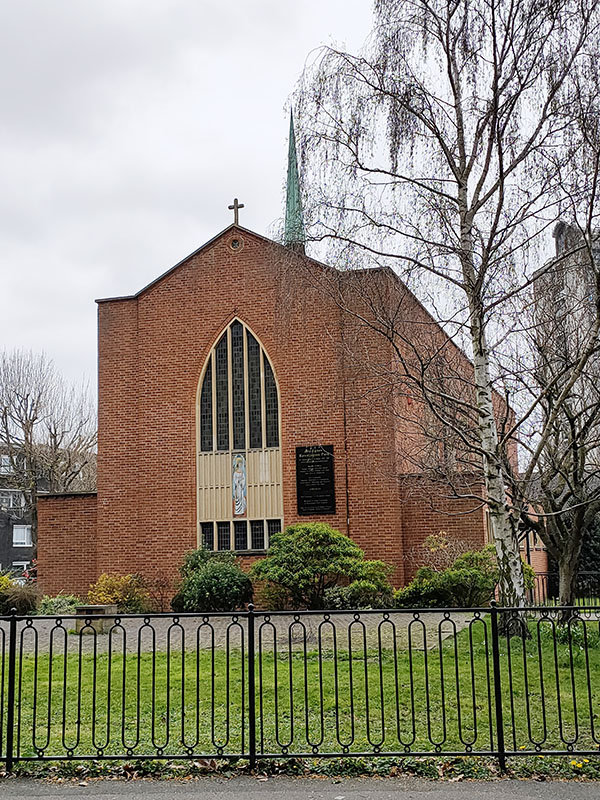
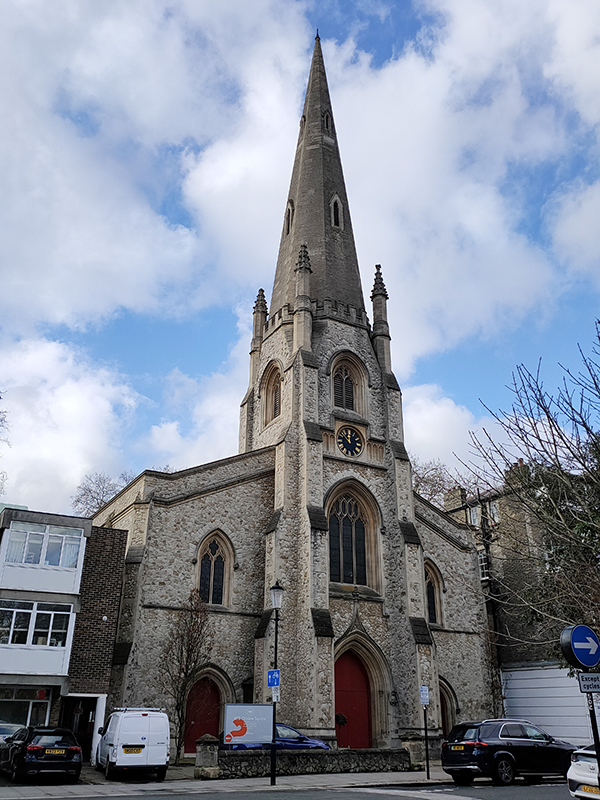
Just to the north of Rose Square is St Paul’s Church which dates back to 1860. This is now under the aegis of Holy Trinity Brompton (HTB), an evangelical Anglican church, which consists of six separate sites altogether.

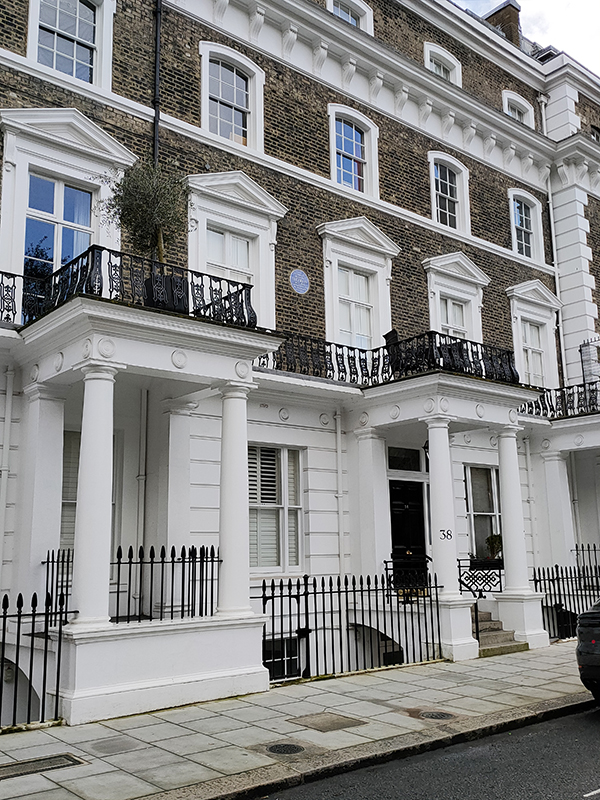
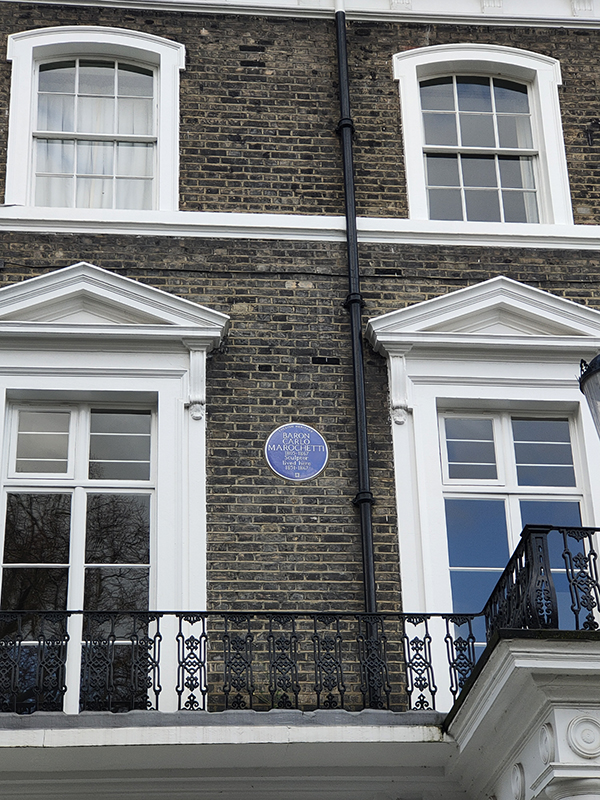
We continue along the south side of Onslow Square whose former residents include Admiral Robert Fitzroy (1805 – 1865) at no. 38, author William Makepeace Thackeray (1811 – 1863) at no.36 and Baron Carlo Marochetti (1805 – 1867) at no.32. From those dates in seems highly probable that their residencies here overlapped. Fitzroy was the captain of HMS Beagle during the famous survey expedition to Tierra del Fuego and the Southern Cone which took Charles Darwin (more of him later) to the places where he encountered the wildlife that inspired his theory of natural selection. Marochetti was was an Italian-born French sculptor who, after moving to England in 1848, was commissioned to create many public sculptures and memorials, including the equestrian statue of Richard the Lionheart which stands in front of the Palace of Westminster. Thackeray, best known as the writer of Vanity Fair, lived here during his latter years in which his health underwent a terminal decline due to excessive eating and drinking and an aversion to any form of exercise.

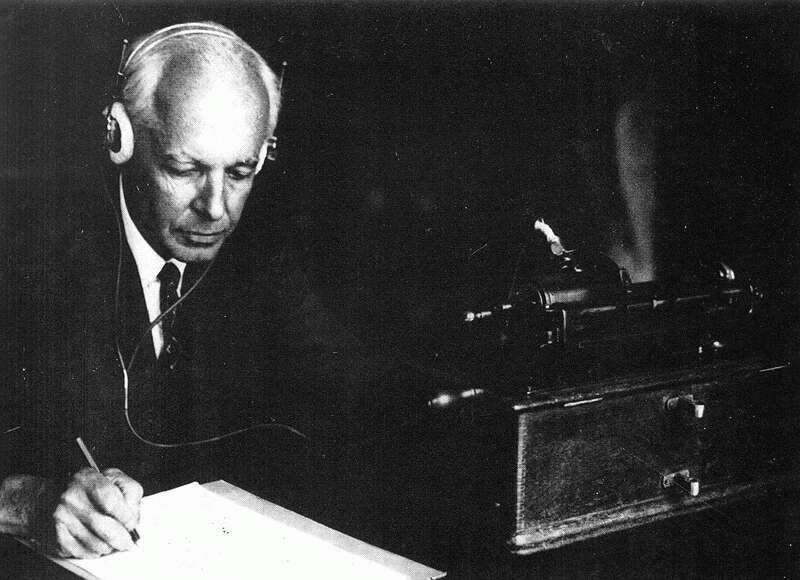
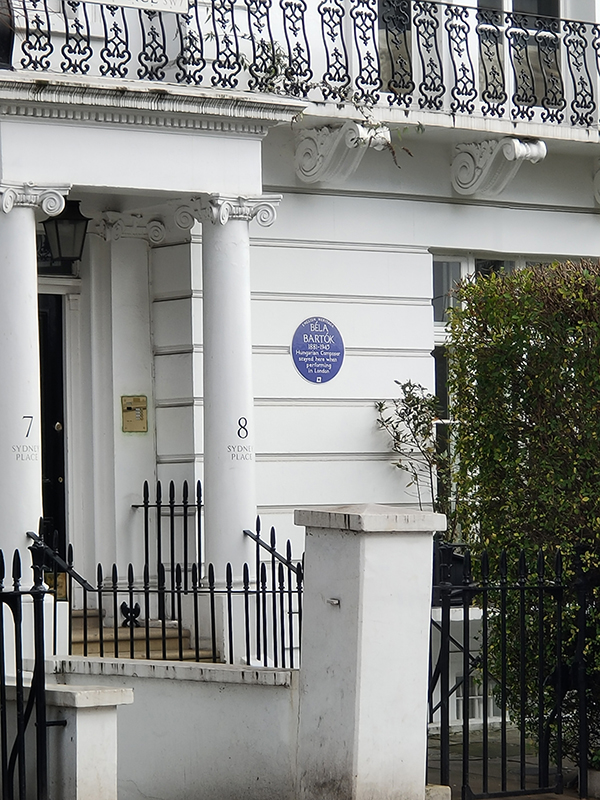
Next Blue Plaque up (they come thick and fast today) is the one that graces the outside of no.7 Sydney Place, commemorating the fact that the Hungarian composer, Bela Bartok (1881 – 1945) stayed there whenever he was performing in London. The English composer Peter Warlock was instrumental in bringing Bartok to London for the first time in 1922. From then until 1937 Bartok always stayed in London with Sir Duncan and Lady Wilson at this address. 230 yards further up towards the tube station is a statue of Bartok (that I somehow managed to overlook whilst on my perambulations).

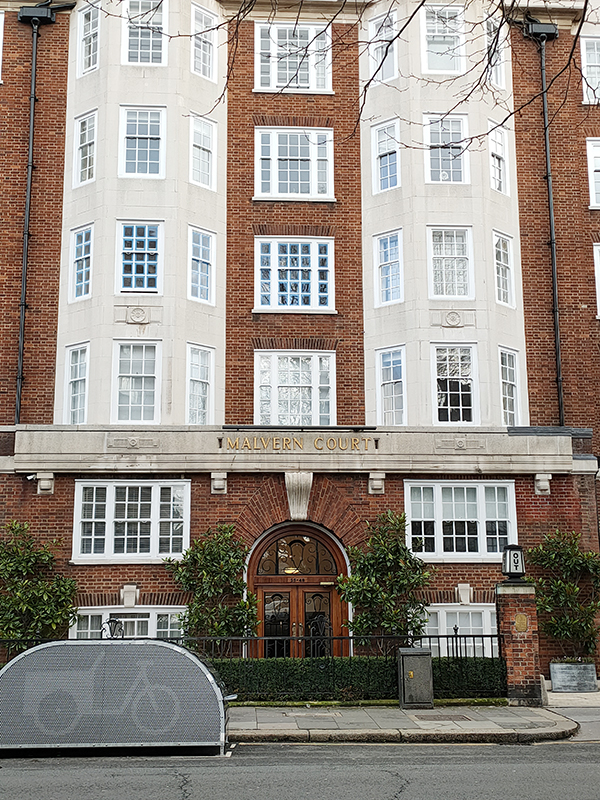
Prominent on the east side of Onslow Square (more so than the statue in any event) is the stylish early 1930’s built Malvern Court.

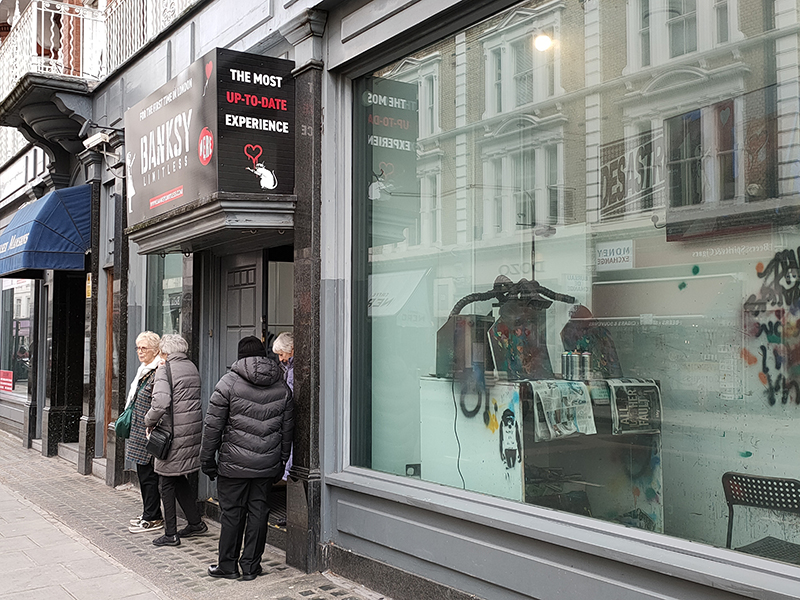
Completing a circuit of Onslow Square and Onslow Crescent we head west along Old Brompton Road. After a short way we pass the site of “Banksy: Limitless”, a temporary, non-official exhibition curated by private collectors, showcasing the breadth of Banksy’s street art in a gallery setting (with obligatory “immersive” element). It won’t be there for too much longer so no point in wasting £20 for the purposes of giving you a low-down.

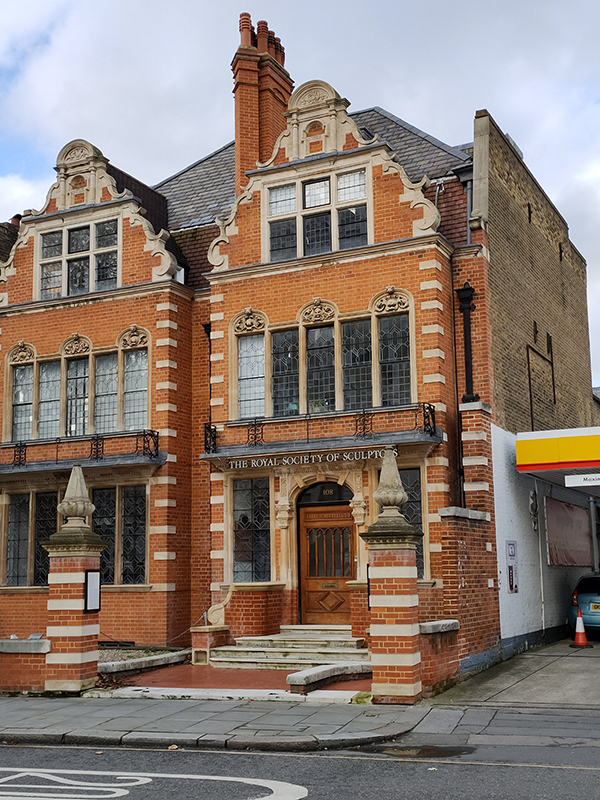
A couple of hundred metres further along is Dora House which is the home of the Royal Society of Sculptors (“RSS”). Dora House was originally built by William Blake (not that William Blake) in 1820 as a pair of early Georgian semi-detached villas. It’s constructed of red brick with a pair of steep curved gables, classical details in stone in the Flemish manner and tall leaded light windows on three floors. The ornate frontage dates from a remodelling in 1885-6 to provide a grand studio for Court photographers Elliot and Fry. In 1919 the house was taken on by the sculptor Cecil Thomas (1885-1976) who worked here and adopted it as his family home with wife Dora and son Anthony. After his wife died in 1967, Thomas set up the Dora Charitable Trust to protect the long-term future of the house. A few years later he bequeathed the house to the RSS. The RSS had been established in 1905 with 51 members, including all the leading sculptors of the day. Six years later it was granted Royal patronage. ( I’m afraid I have no information on when the Shell garage next door made its unfortunate arrival on the scene).

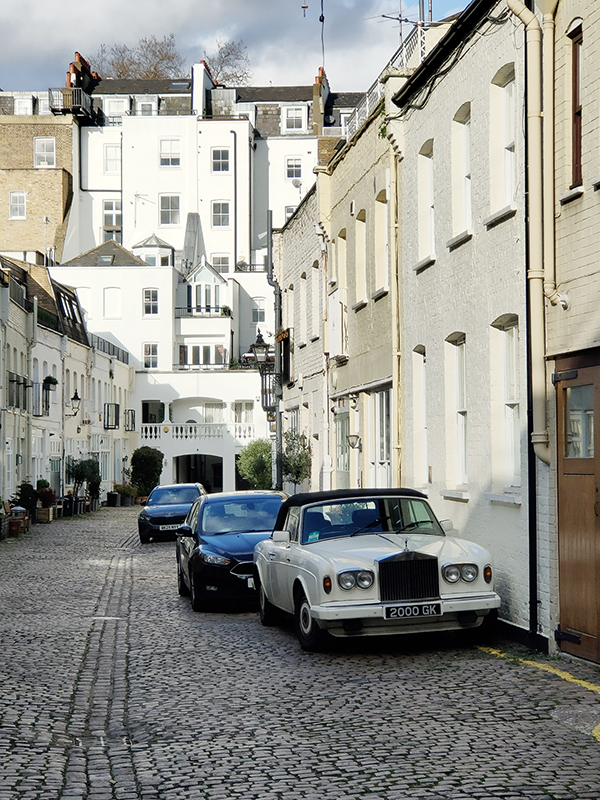
For the next stage of today’s journey we’re working our way back east towards South Ken tube. We begin by heading north on Gloucester Road, taking a right turn into Clareville Street and then diverting back to Old Brompton Road via Clareville Grove. We make our way north again on Clareville Street before switching into Manson Mews.

The non-cul-de-sac part of Manson Mews leads into Queen’s Gate. Almost directly opposite is the Grade II Listed, St Augustine’s Church. The church was built in 1865, and the architect was William Butterfield (1814 – 1900), another exponent of the Gothic Revival style. Butterfield was certainly possessed of a strong protestant work ethic; between 1842 and 1895 he contributed to the construction or renovation of around 120 religious buildings. St Augustine’s is now another member of the HTB group of churches.

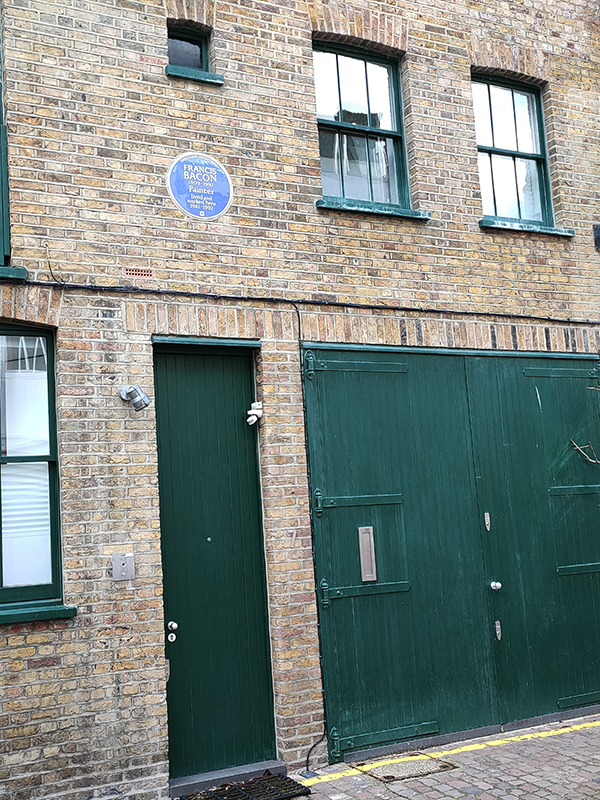
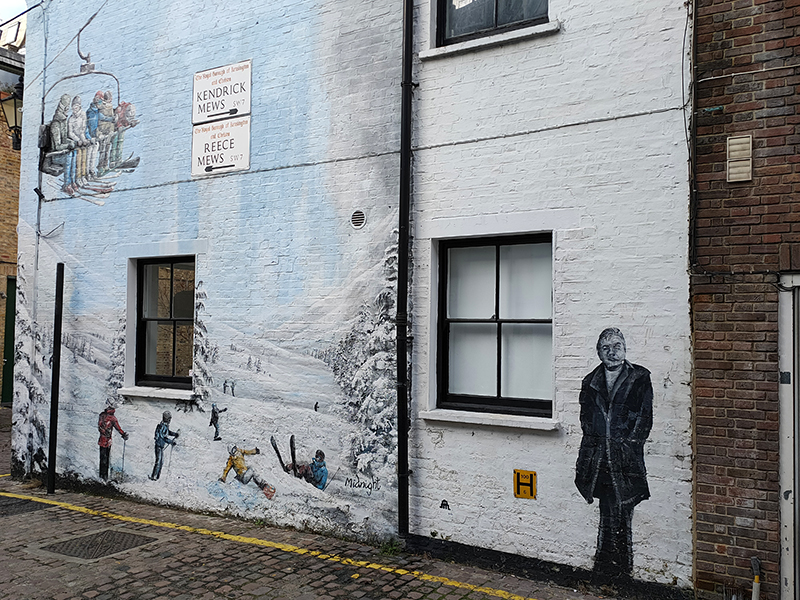
After a quick look at Manson Place we return to Old Brompton Road where we continue east then make our way in to Reece Mews via Kendrick Place. Artist, Francis Bacon (1909 – 1992) lived and worked at 7 Reece Mews for the last 30 years of his life. In 1962, a year after Bacon moved here, his lover, Peter Lacy, died from the effects of alcoholism the day before the opening of a retrospective exhibition of the artist at the Tate. As the Sixties progressed, Bacon’s work moved from the extreme subject matter of his early paintings to portraits of friends, including his new lover, George Dyer, who he had met in a pub in 1963. The much younger Dyer was also an alcoholic and in 1971, in a cruel twist of fate, he took a fatal overdose of barbiturates while in Paris with Bacon for another retrospective exhibition, this time at the Grand Palais. Bacon himself died of a heart attack in 1992. Six years later his sole legatee, John Edwards, and High Court appointed executor, Brian Clarke, donated the contents of Bacon’s studio at Reece Mews to the Hugh Lane Gallery in Dublin (Bacon’s birthplace) where they were moved and reconstructed.

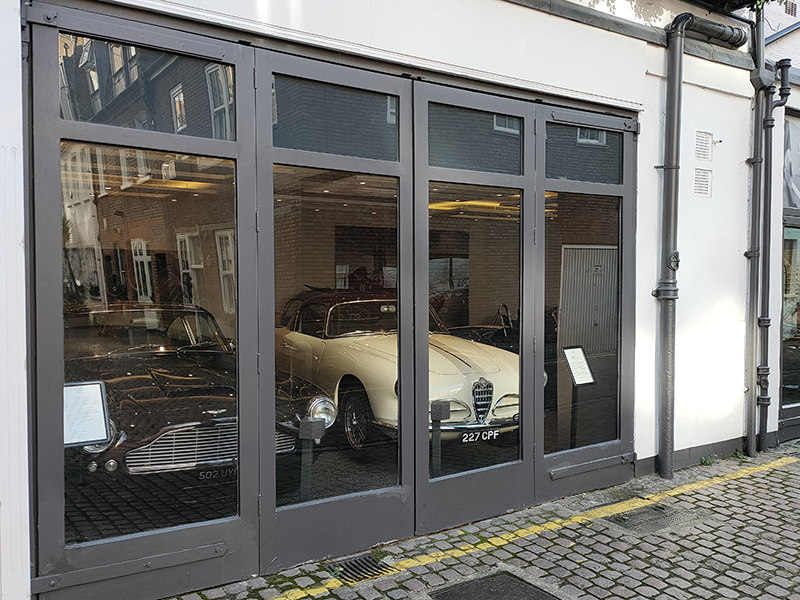
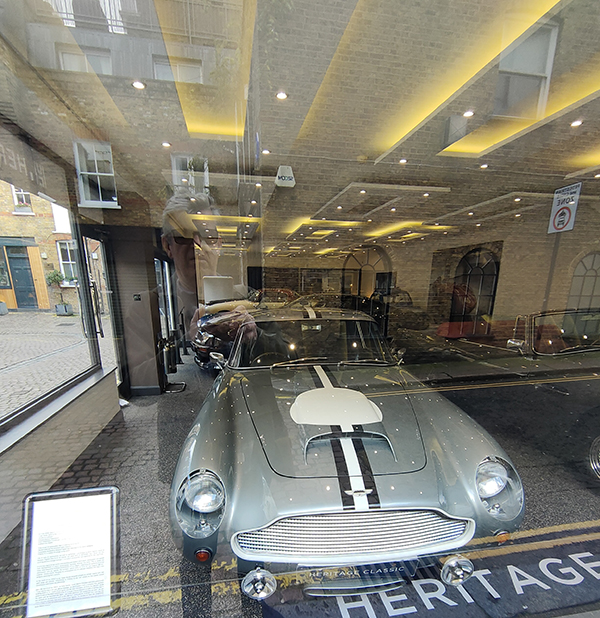
Directly opposite the above mural on Kendrick Mews is the showroom of Heritage Classic Cars which has been selling special collector cars for the last sixty years. Among the cars currently for sale is an Aston Martin DB4 GT Continuation, one of only 25 of these models built by AM in 2017, and a 1957 Alfa Romeo Super Sprint.

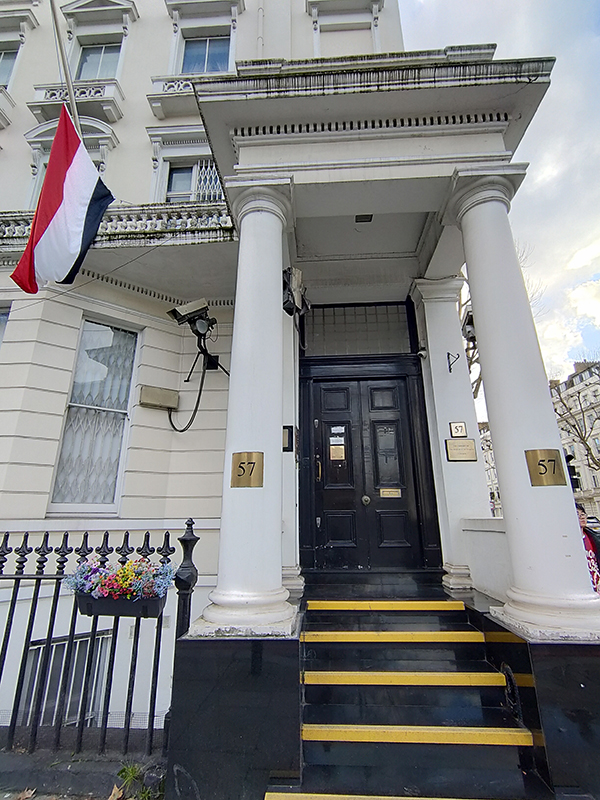
At the north end of Reece Mews we emerge onto Harrington Road then do a circuit of Bute Street and Glendower Place before switching west on Harrington Road which soon morphs into Stanhope Gardens. We carry on as far as Gloucester Road before turning north up to Cromwell Road. For the next twenty minutes or so we traverse between Cromwell Road and Stanhope Gardens by means of Stanhope Mews West, Stanhope Gardens (west and east sections), Stanhope Mews East and Queen’s Gate again. These Stanhopes are named after the eponymous family who assumed the Earldom of Harrington in 1742. On the corner of Queen’s Gate and Cromwell Road stands the Embassy of Yemen.

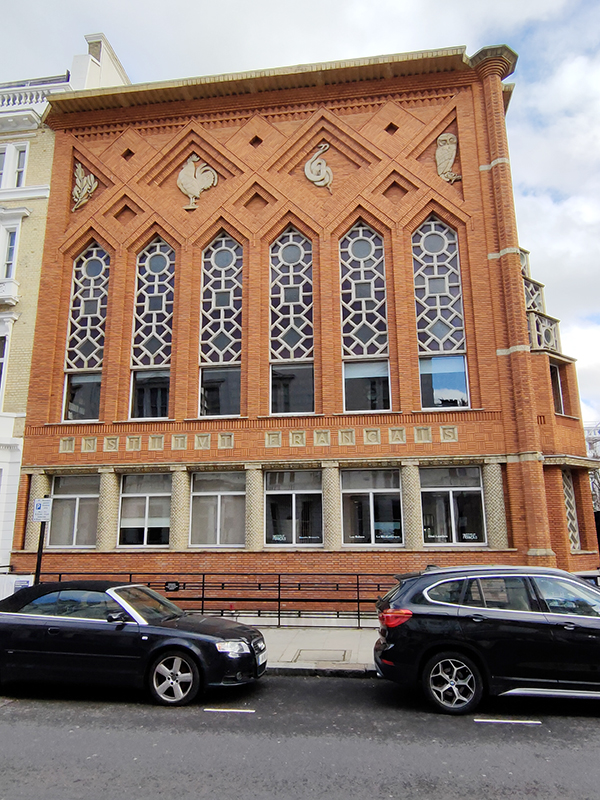
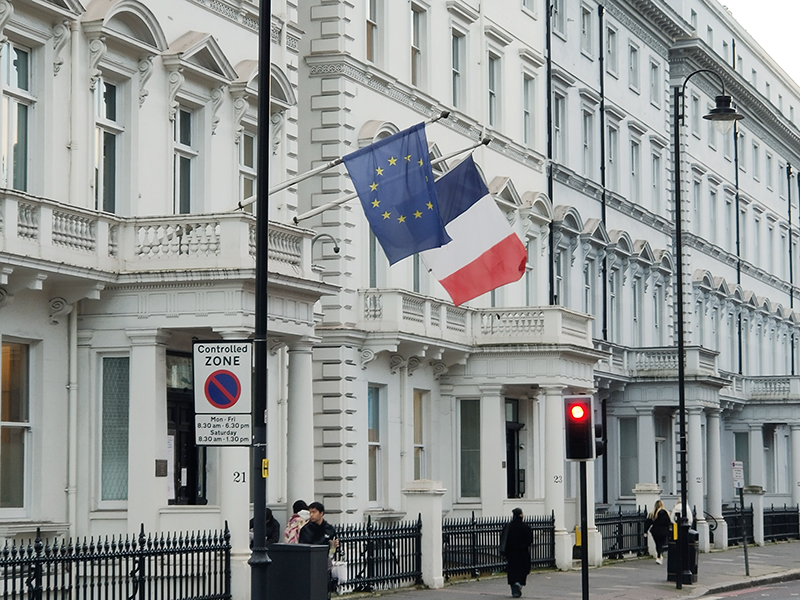
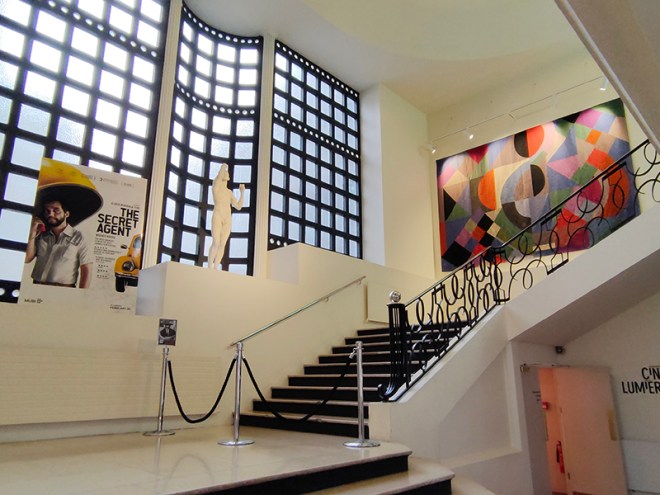
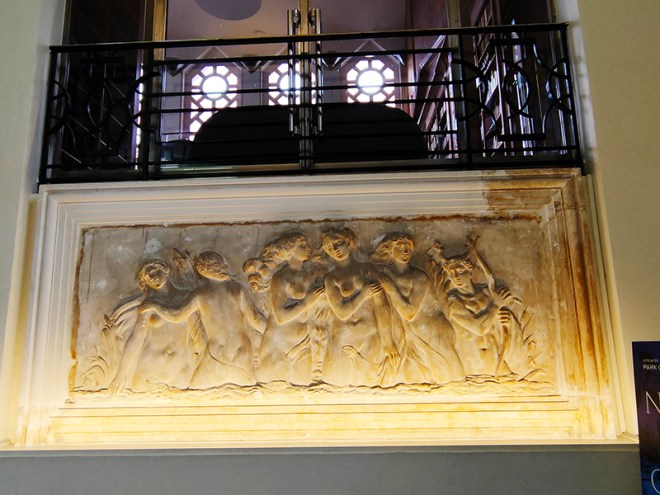
Next street along, continuing eastward, is Queensberry Place when we find the Institut Francais du Royaume Uni, the London branch of the worldwide network that promotes French Language and Culture. The Language Centre is on Cromwell Place and the building here on Queensberry Place houses the Cultural Centre which includes the Cine Lumiere. The Cine Lumiere has two screens and is a great place to watch the best of French and World cinema, both new releases and classic films. 15-17 Queensberry Place was is a Grade II listed, red-brick Art Deco building dating from 1939. It was designed by French architect Patrice Bonnet and features distinctive ceramic decorations which depict the four graces of Minerva (owl, asp, cockerel, and olive branch). The interior features a sweeping staircase decorated with a Auguste Rodin statue (L’Âge d’Airain) and a Sonia Delaunay tapestry.
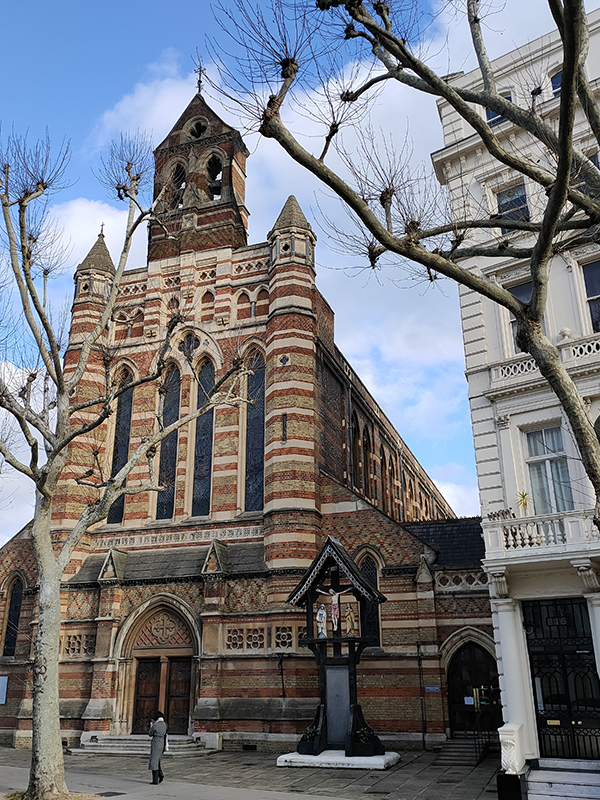
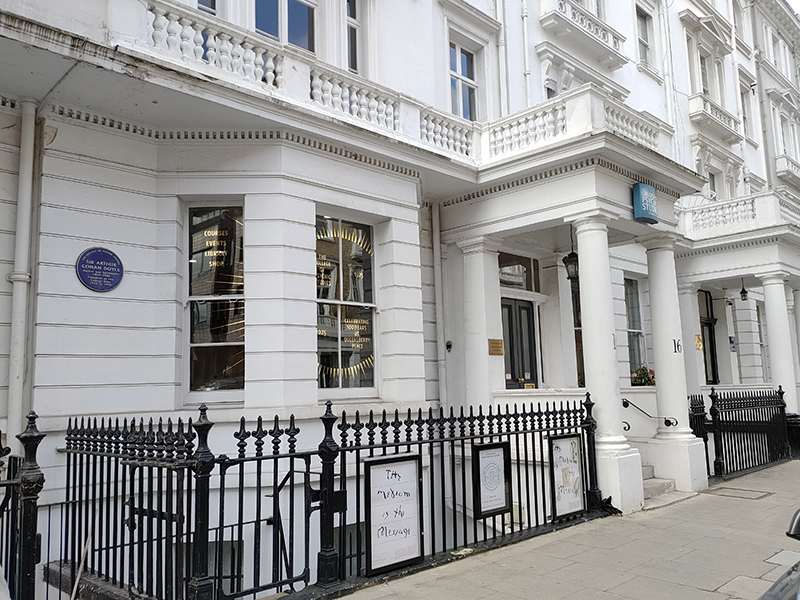
Across the street from the IF is The College of Psychic Studies. The College began life as London Spiritualist Alliance in 1883 at the instigation of the Rev. William Stainton Moses – an Anglican priest and medium – upon the dissolution of the Central Association of Spiritualists. The Alliance resided at several addresses in London before acquiring the freehold of 16 Queensberry Place for £5,000 in 1925. Sir Arthur Conan Doyle was President of the Alliance from 1926 to 1930, as commemorated by yet another blue plaque. The London Spiritualist Alliance changed its name in 1955 to The College of Psychic Science and in 1970 became The College of Psychic Studies. Nowadays the College organizes courses, workshops and talks in mediumship training, trance, psychic development, working with your guides and angels, automatic writing, past and future lives, shamanic healing, chakras, energy work, palmistry, numerology, tarot, mysticism, scrying and crystals. Anything not grounded in reality basically. I’m thinking they must get a lot of Americans enrolling.

And so to the Natural History Museum. Last time I was visited it was to see a specific exhibition so I didn’t venture beyond the ground floor of the east wing. The time before that was a good few years ago and I don’t remember it being a great experience. I was therefore very pleasantly surprised at how much I enjoyed today’s visit. I expected to be in and out in half an hour but in the end I stayed for nearly three hours (though that did include the Space: Could Life Exist Beyond Earth exhibition which I can highly recommend but is only on for a few more weeks at time of writing).

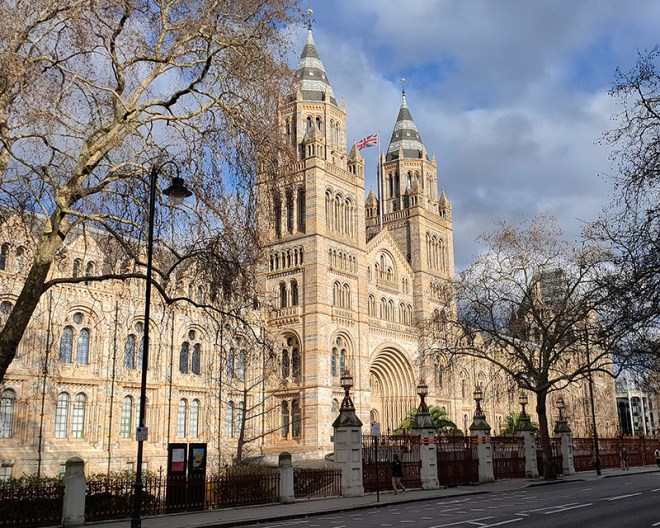
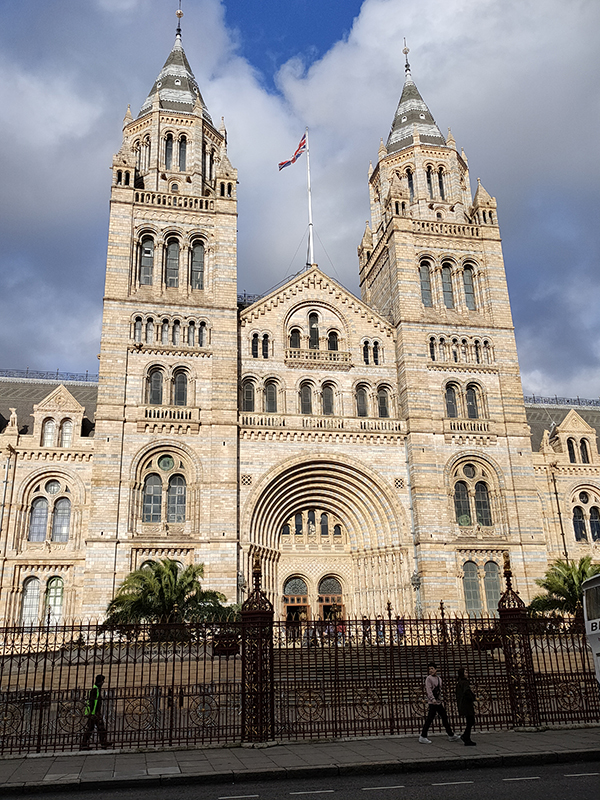
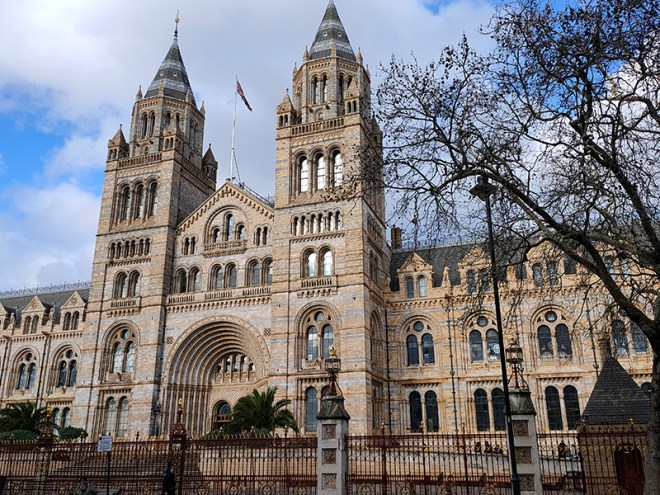
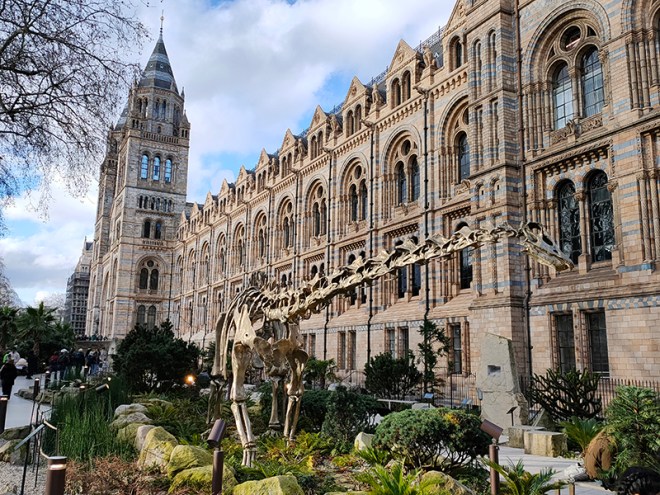
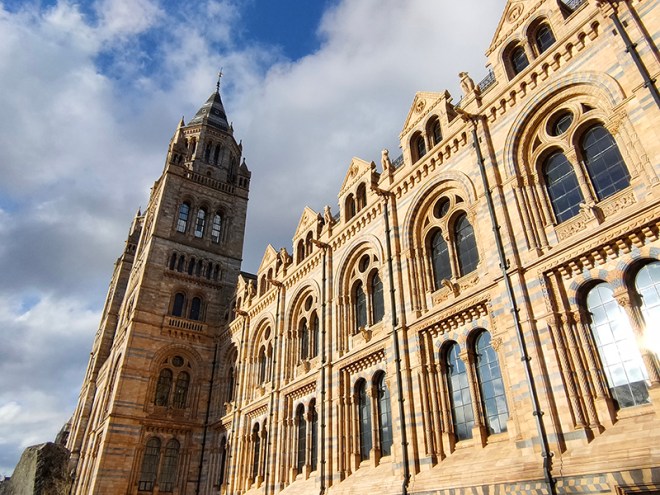
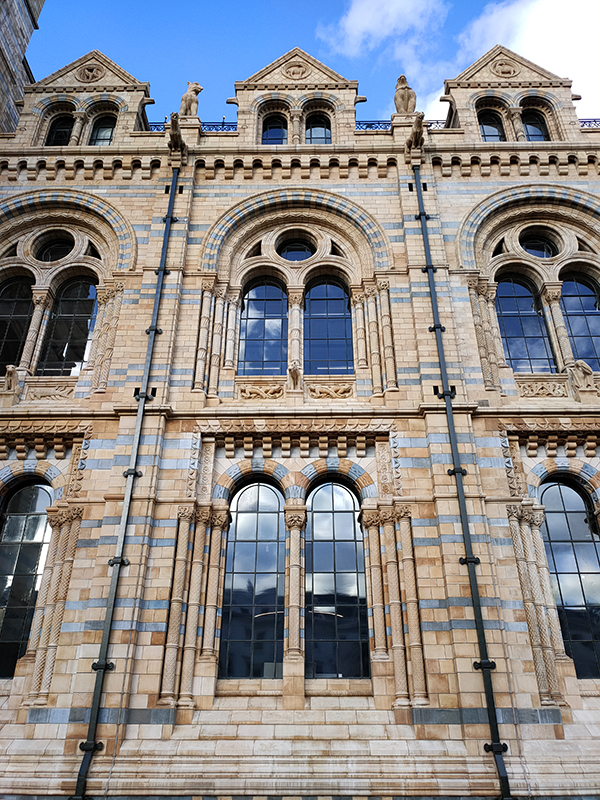
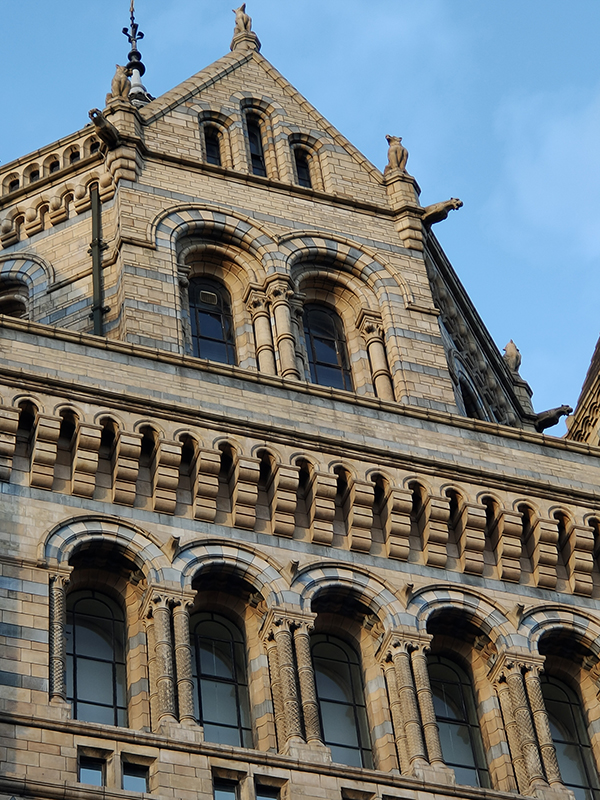
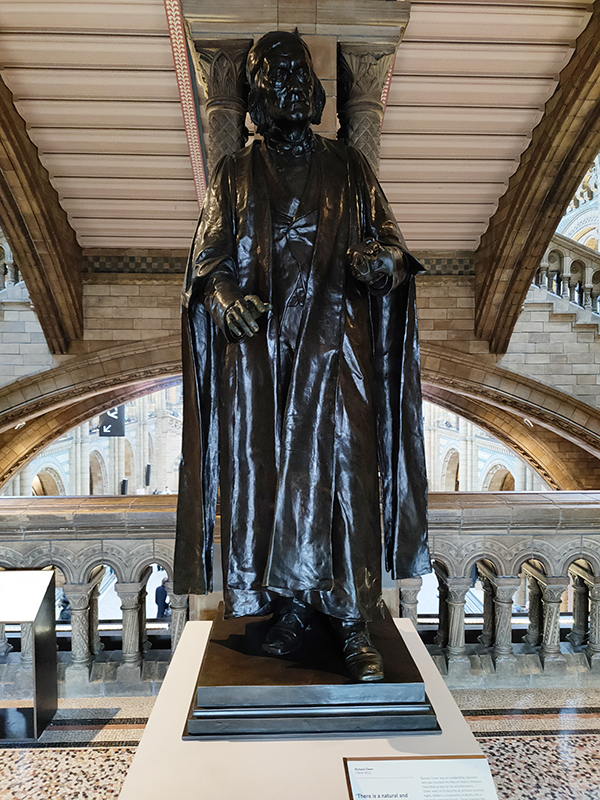
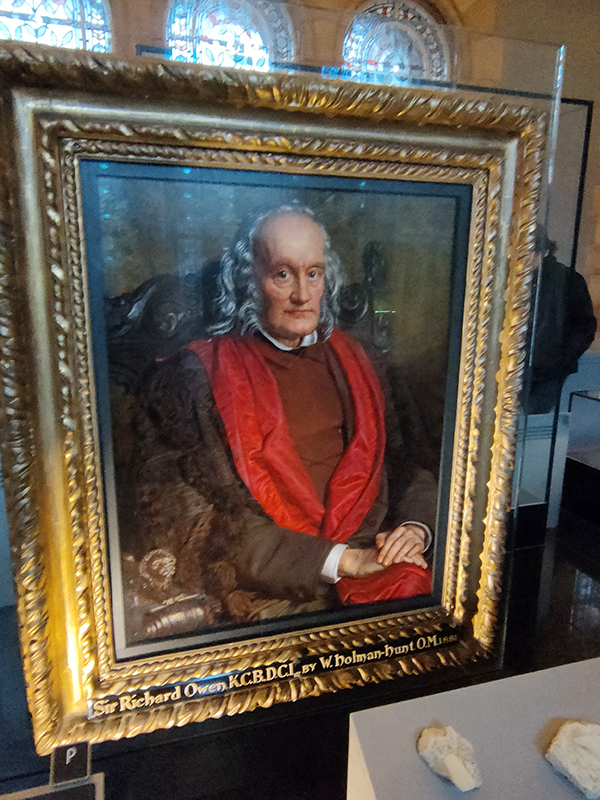
The Museum first opened its doors on 18 April 1881, but its origins stretch back to 1753 and the legacy of Sir Hans Sloane who had travelled the world as a high society physician, collecting natural history specimens and cultural artefacts along the way. After his death, Sloane’s will allowed Parliament to buy his extensive collection of more than 71,000 items for £20,000 – significantly less than its estimated value. The government agreed to the purchase Sloane’s collection and then built the British Museum so the items could be displayed to the public. Just over a hundred years on, Sir Richard Owen (the natural scientist who came up with the name for dinosaurs) took charge of the British Museum’s natural history collection and convinced the board of trustees that a separate building was needed to house these national treasures. In 1864 Francis Fowke, the architect who designed the Royal Albert Hall and parts of the Victoria and Albert Museum, won a competition to design the new Natural History Museum. When he unexpectedly died a year later, the relatively unknown Alfred Waterhouse took over and came up with a new plan for the South Kensington site. Waterhouse used terracotta for the entire building as this material was more resistant to Victorian London’s harsh climate. The result is one of Britain’s most striking examples of Romanesque architecture, considered a work of art in its own right and one of London’s most iconic landmarks.
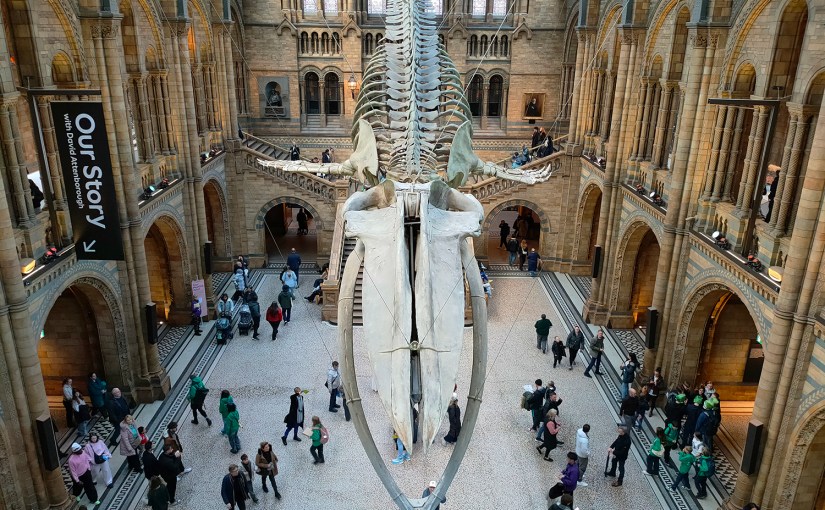
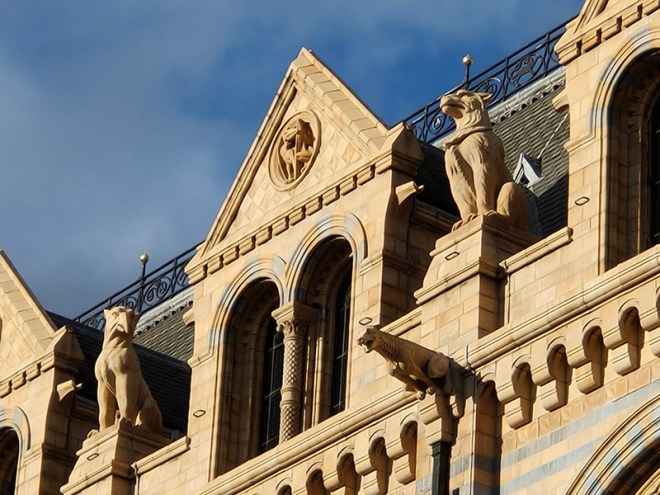
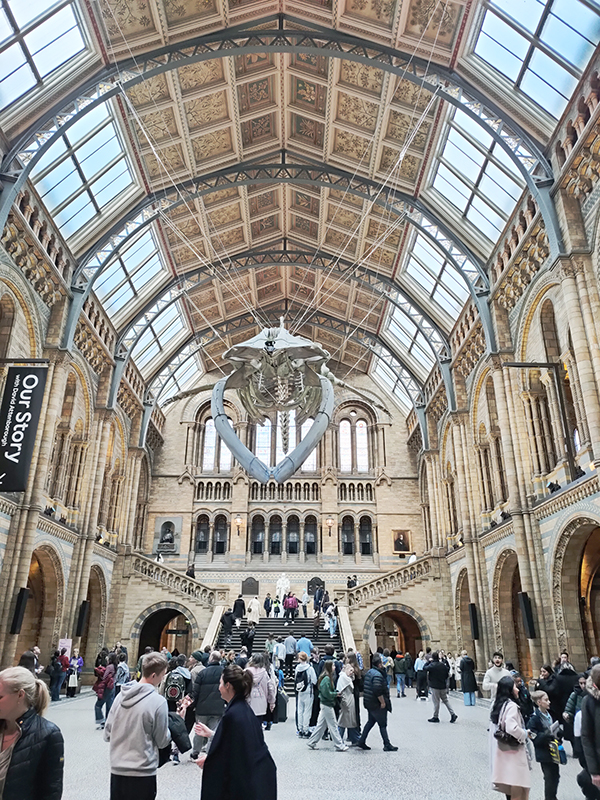
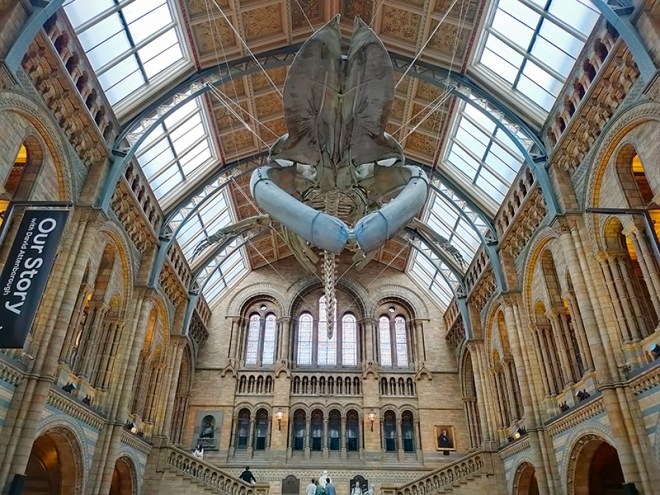
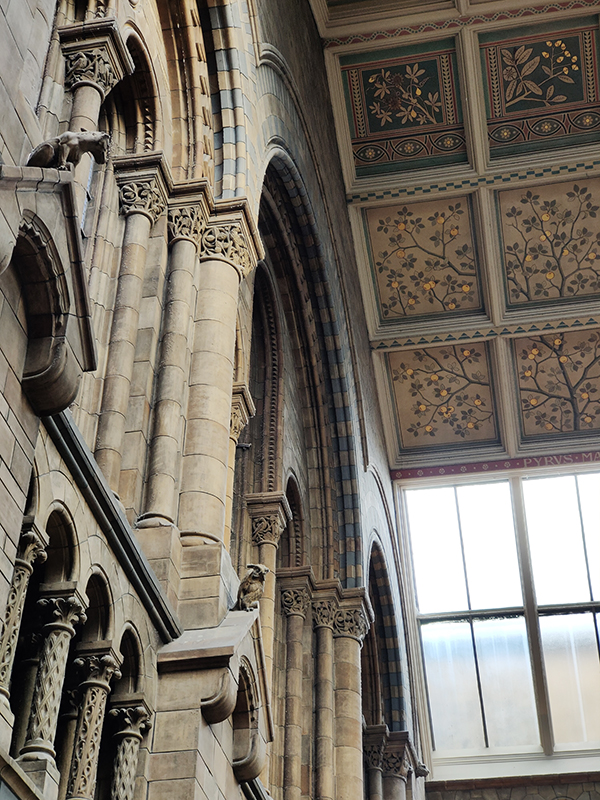
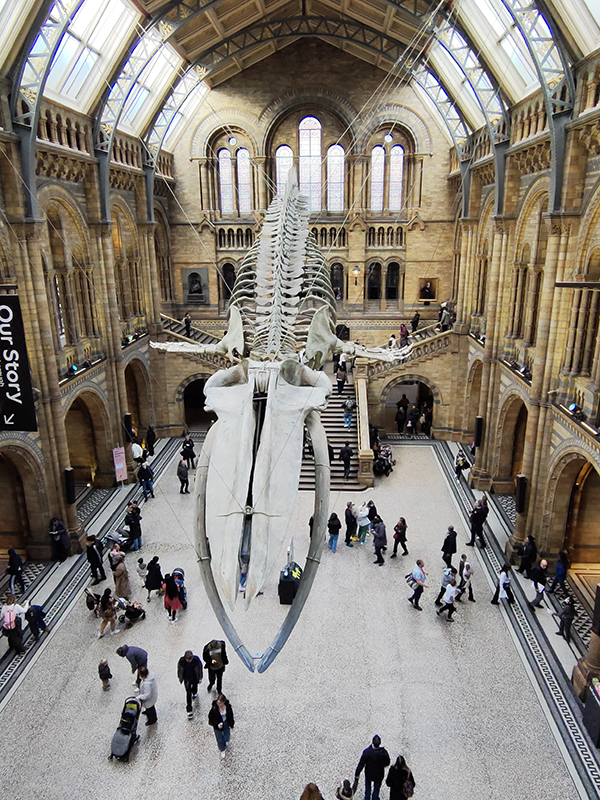
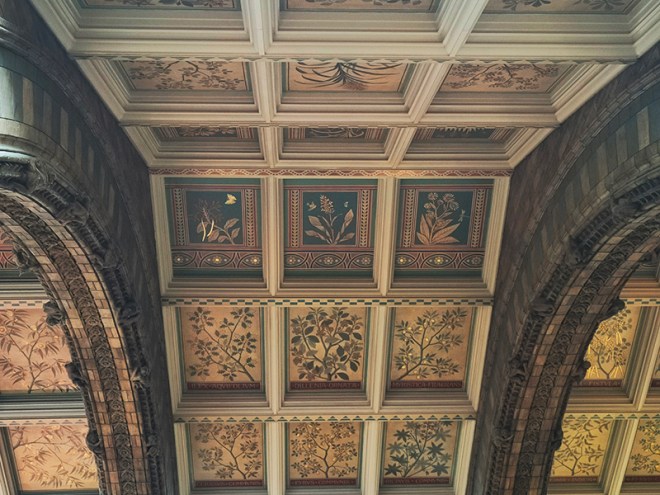
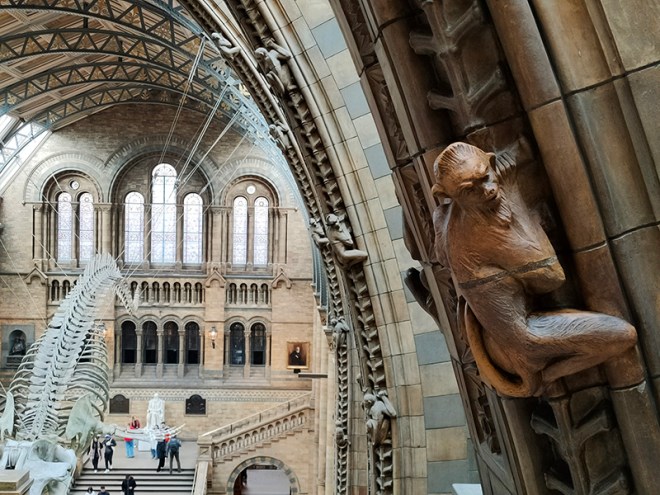
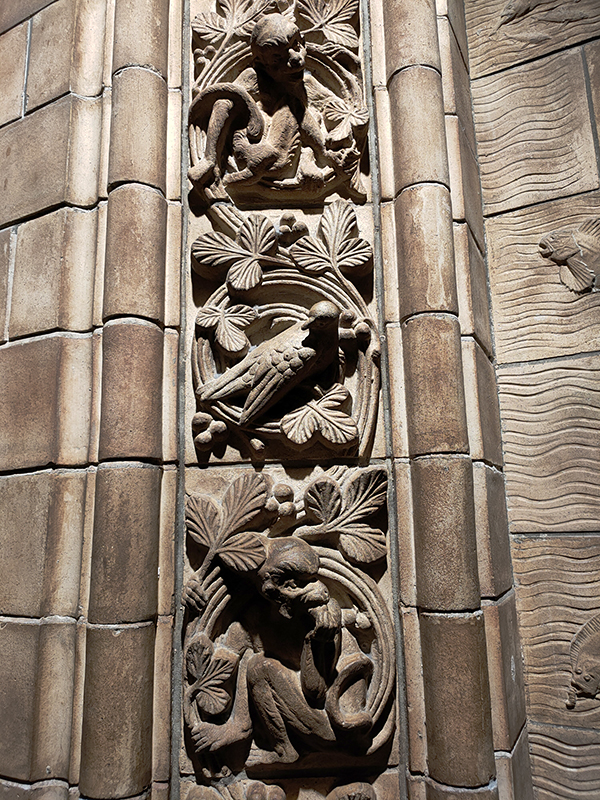
Hintze Hall, the Museum’s central space, was redeveloped in 2017 and the famous Diplodocus skeleton cast was replaced with a 25.2-metre blue whale skeleton, intended to be a reminder to visitors that humanity has a responsibility to protect the biodiversity of our planet. The Hintze Hall ceiling is covered with 162 intricate panels displaying illustrations of a vast array of plants from all over the world. Similar tiles adorn the other galleries in the museum and the entire building is decorated with carvings and sculptures depicting the natural world.

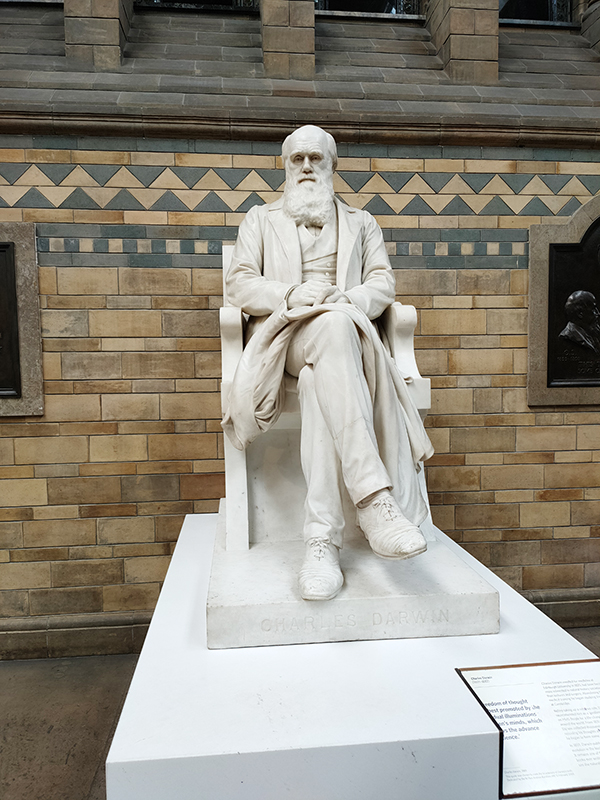
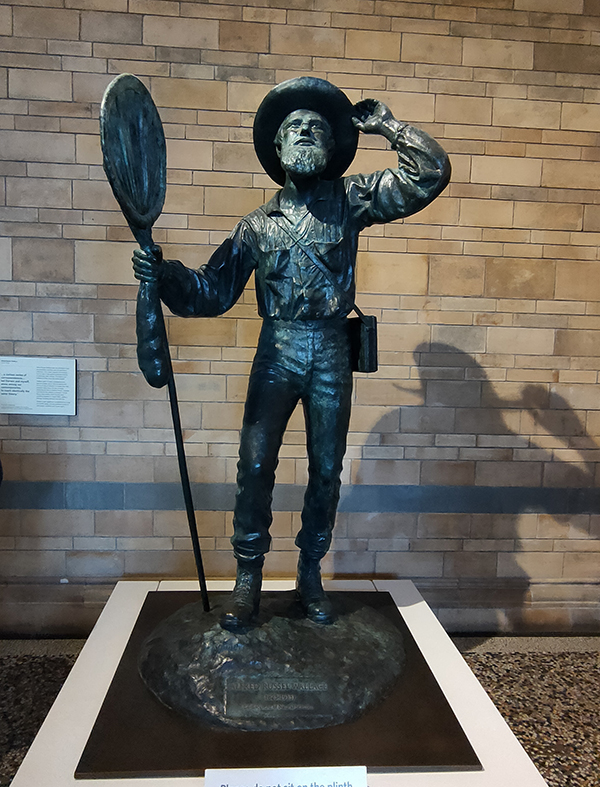
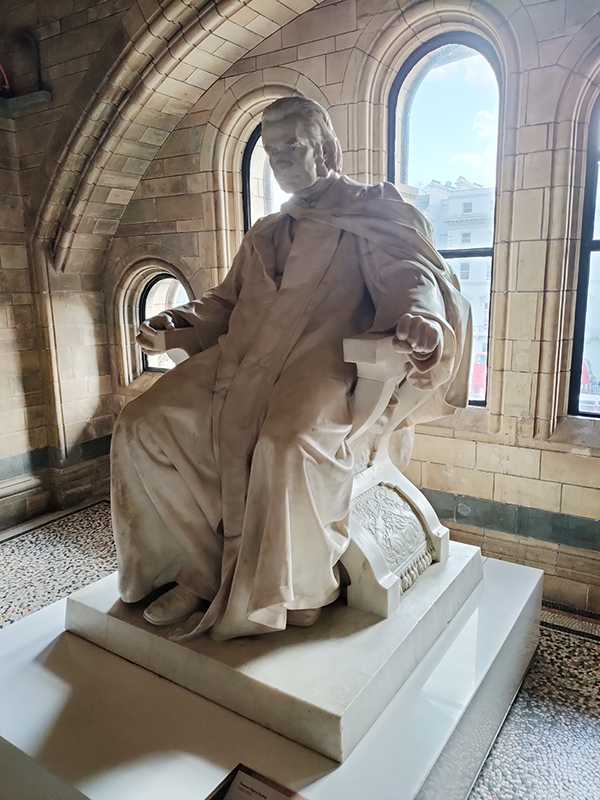
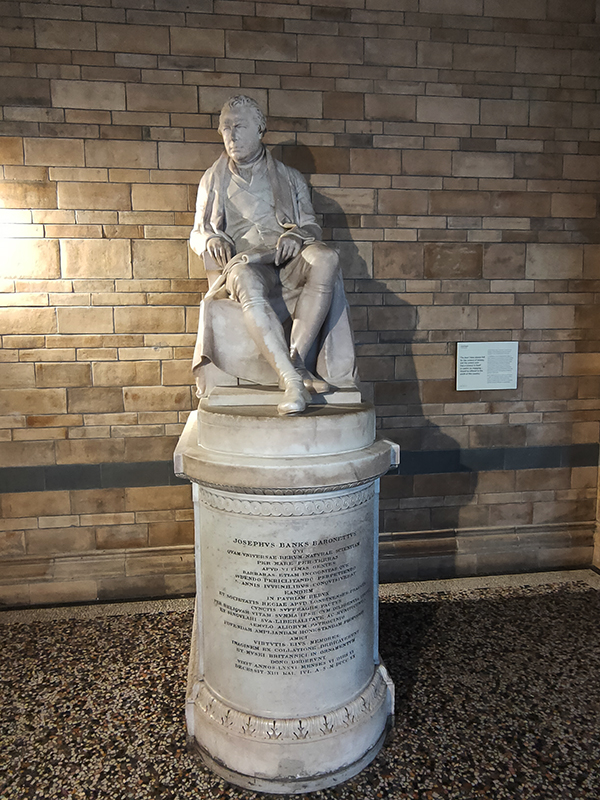
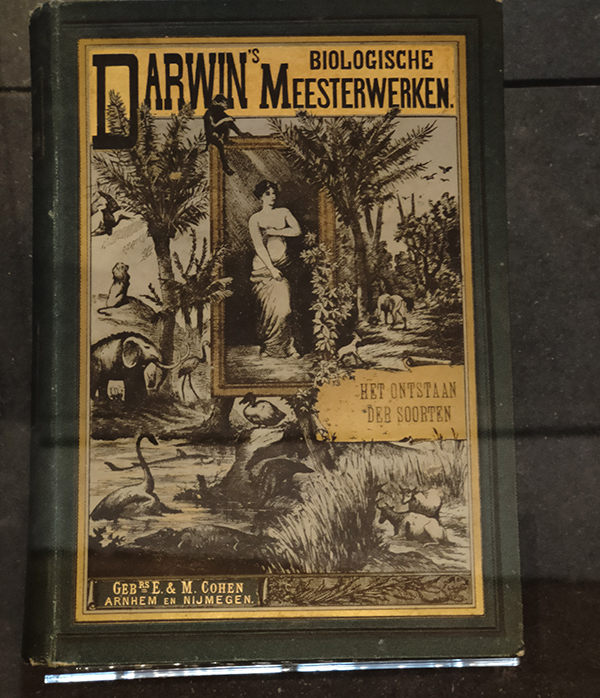
There are statues honouring prominent individuals who played an important role in the creation and evolution of the museum throughout the building. Richard Owen we’ve already spoken of and Charles Darwin needs no introduction but it’s worth giving a mention to Joseph Banks (1743 – 1820), Alfred Russell Wallace (1823 – 1913) and Thomas Henry Huxley (1825 – 1895). The great botanist, Banks, took part in Captain James Cook’s first great voyage (1768–1771), visiting Brazil, Tahiti, and after 6 months in New Zealand, Australia, returning to immediate fame. He went on to hold the position of president of the Royal Society for over 41 years and advised King George III on the Royal Botanic Gardens at Kew. Wallace was renowned as a naturalist, explorer, biologist and social activist. He was considered the 19th century’s leading expert on the geographical distribution of animal species. In 1858 he wrote a paper on the theory of evolution through natural selection; the publication of which was pretty much contemporaneous with that of extracts from Charles Darwin’s writings on the topic. It spurred Darwin to set aside the “big species book” he was drafting and to quickly write an abstract of it, which was published in 1859 as On the Origin of Species. Huxley was a biologist and anthropologist who became known as “Darwin’s Bulldog” on account of his vehement advocacy of Darwin’s theories. In 1860 he took part in the Oxford Evolution Debate in which he staunchly defended the Origin against its opponents, principal amongst whom was Bishop Samuel Wilberforce. Ironically, Wilberforce had received coaching prior to the debate from Richard Owen. The debate is best remembered today for a heated exchange in which Wilberforce supposedly asked Huxley whether it was through his grandfather or his grandmother that he claimed his descent from a monkey. Huxley is said to have replied that he would not be ashamed to have a monkey for his ancestor, but he would be ashamed to be connected with a man who used his great gifts to obscure the truth. However, as no verbatim record of the debate exists the exacts words used by each party are subject to the distortions of second-hand reportage.
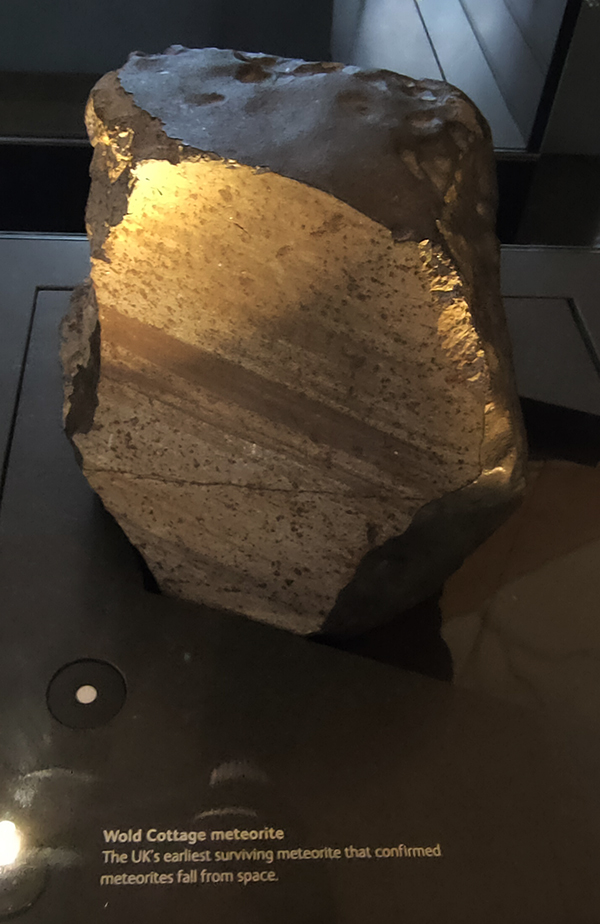
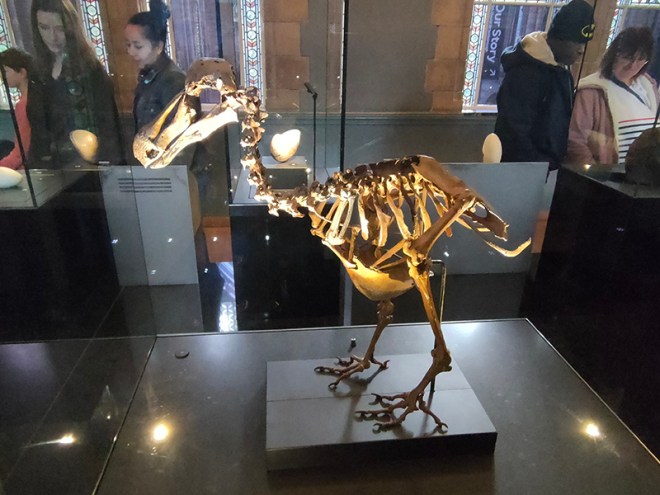
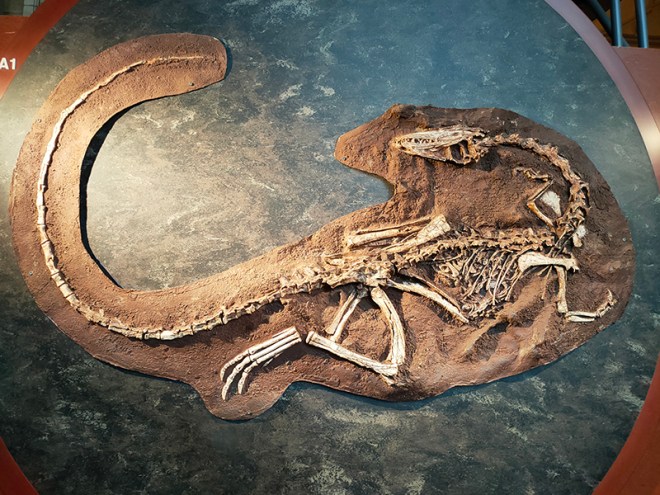
I hadn’t intended to say anything about the actual exhibits in the museum but I was very impressed by the objects in the Cadogan Gallery, which showcases 22 of the museum’s most treasured items. I’m not sure how long this display has been in situ but I don’t remember it from previous visits.

When we’re finally done with the NHM it’s a short walk down Cromwell Place past the French Consulate back to South Ken tube station with a final couple of plaques on the way.

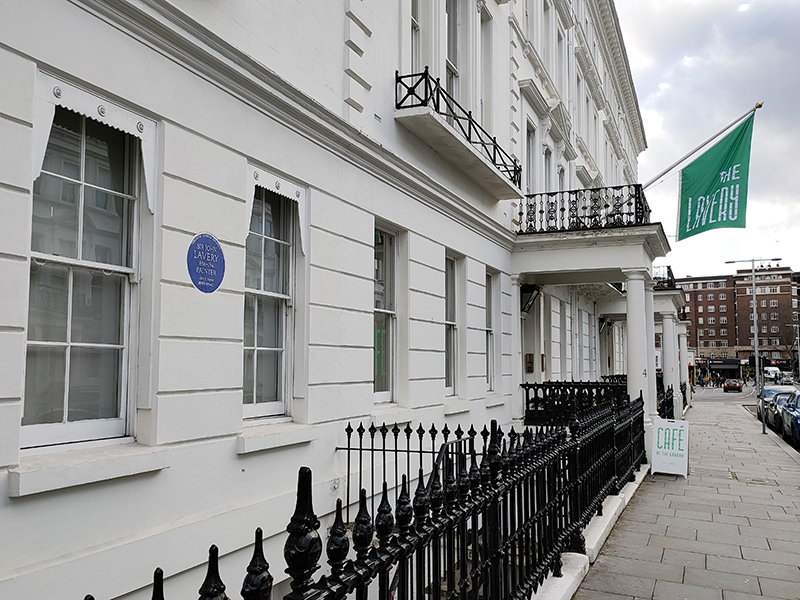
No.5 Cromwell Place was home to the Irish painter Sir John Lavery (1856 – 1941) from the turn of the 20th century until the start of WWII. Lavery was best known for portraits and wartime scenes. He and his wife, Hazel, were tangentially involved in the Irish War of Independence and the Irish Civil War and they gave the use of this house to the Irish participants in the negotiations leading to the Anglo-Irish Treaty. Today the house forms part of the ‘Cromwell Place’ arts hub created out of the full terrace of five Grade II listed Georgian properties.

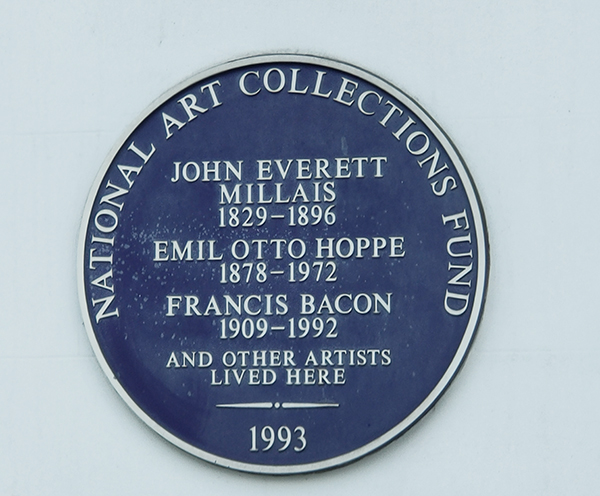
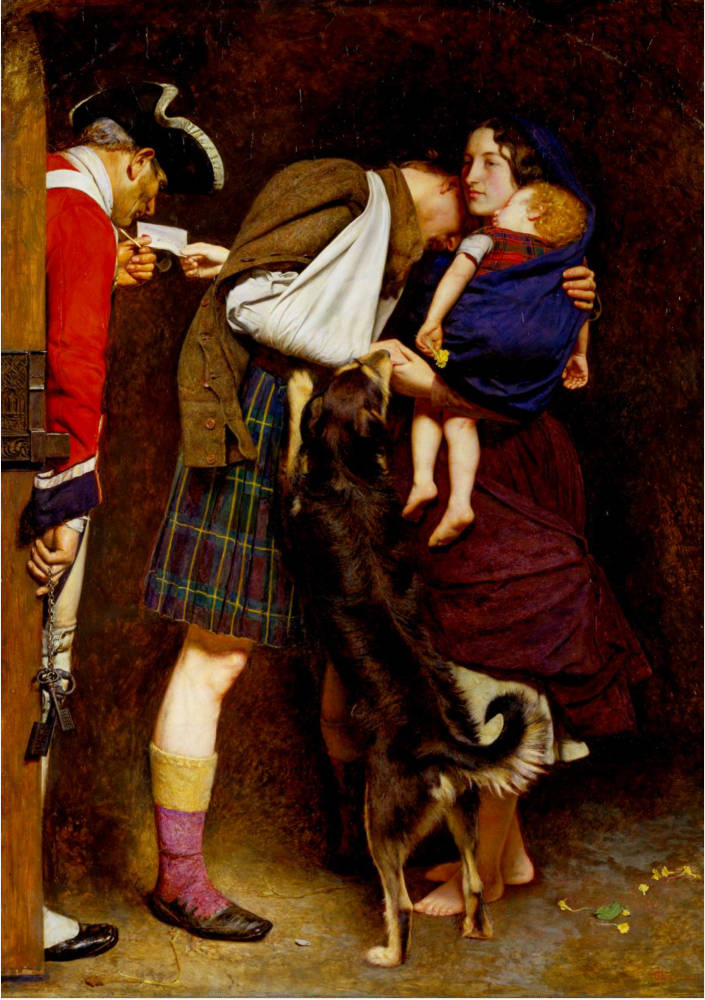
7 Cromwell Place was the London home and studio of the Pre-Raphaelite painter Sir John Everett Millais (1829 – 1896). Millais is as famous for his personal life as his art. In 1855 he married Effie Gray who had previously been the wife of the art critic, John Ruskin, and had modelled for Millais (most notably the female figure in The Order of Release) . The marriage between Effie and Ruskin, a supporter of Millais’ early work, was annulled after a few years due to lack of consummation. Effie and Millais went on to have eight children. The Victorian terrace in which they lived was later occupied by photographer Emil Otto Hoppe and (the aforementioned) Francis Bacon, who moved in in 1943 and worked in the former billiard room before moving his studio to Reece Mews.

Day 66 – Millbank – Vauxhall Bridge Road – Horseferry Road

Well it’s been a while, for obvious reasons, but I’m finally back pounding the pavements of the mighty capital albeit under the constraints of the “new normal”. In order to minimise use of public transport today’s walk isn’t contiguous with the previous outing back in March. Instead we’ve hopped off the train at Vauxhall and crossed the bridge of the same name to explore the area where the southern part of Westminster rubs up against Pimlico, home to Tate Britain, MI5, Channel 4 and the Royal Horticultural Society.

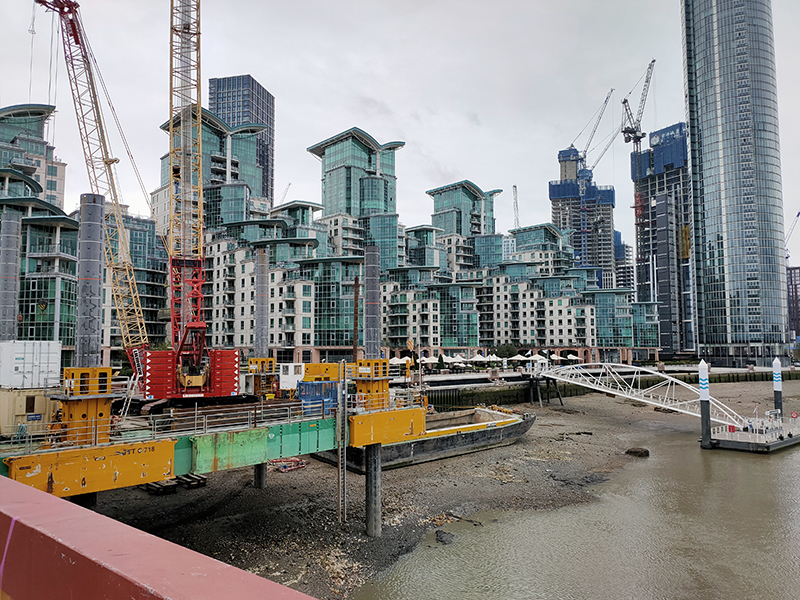
Vauxhall Bridge is looking a bit of a mess at the moment as it’s in the throes of three months’ of “critical maintenance” which will include addressing the corrosion and deterioration of the Edwardian structure’s metalwork and bearings. As such it’s closed to all vehicles other than southbound buses. In addition to this, just upstream from the bridge on the south side is one of the construction sites for the 25km long so-called “Super Sewer” which will finally prevent raw sewage flowing directly into the Thames when the 150 year old existing Victorian sewer system overflows. This is scheduled for completion in 2024. Let’s hope they manage to keep to the timetable better than Crossrail.

The present Vauxhall Bridge was opened in 1906 replacing the first iron bridge to be built across the Thames which was put in place a century earlier. The new bridge was originally intended to be built of concrete faced with granite in a neo-Gothic style. However when it was discovered that the clay of the riverbed at this point wouldn’t be able to support the weight of the concrete it was decided to impose a steel structure on the granite piers which had already been embedded. The bridge was built to a functional design by engineers, Sir Alexander Binnie and Maurice Fitzmaurice (yes I know). After something of an outcry from the architectural community,  Alfred Drury and Frederick Pomeroy were appointed to design four monumental bronze statues each to be sited above the piers. On the upstream piers are Pomeroy’s AgricultureArchitectureEngineering and Pottery, whilst on the downstream piers are Drury’s ScienceFine ArtsLocal Government and Education each of them weighing approximately two tons (just look closely). 

At the north end of the bridge we turn right on Millbank towards Tate Britain but as I’m slightly early for my booked visit we can knock off Ponsonby Terrace and Ponsonby Place on the way.

Jeté, a bronze sculpture of a dancer, cast by Enzo Plazotta in 1975 which stands outside no.48 Millbank.

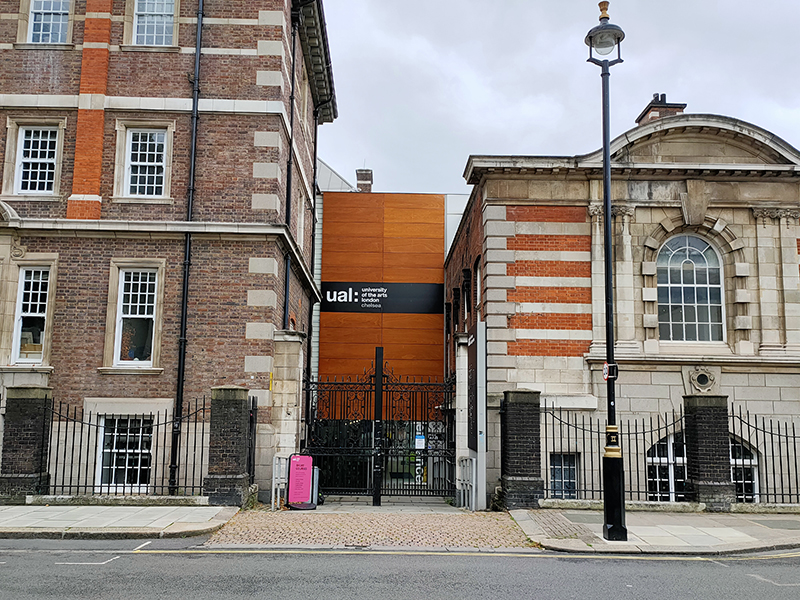
Standing opposite Tate Britain on the west side of Atterbury Street is Chelsea College of Arts. The college started life in 1895 as one of the schools of South-Western Polytechnic (which actually was in Chelsea). In 1908 this merged with the Hammersmith School of Art to form the Chelsea School of Art.  The school was renamed Chelsea College of Art and Design in 1989 and then acquired its present name in 2013. It only took over the site here on Millbank in 2005, the buildings having originally been built to house the Royal Army Medical College in 1907. Prior to that, Millbank Prison had occupied the site of both the college and Tate Britain for around 80 years. Amongst its alumni Chelsea includes Anish Kapoor, Steve McQueen, Chris Ofili and Mark Wallinger.

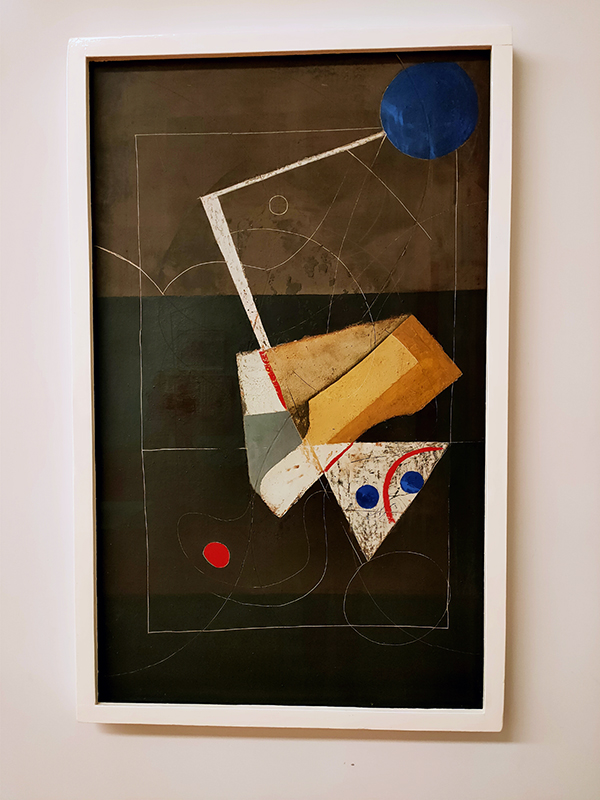
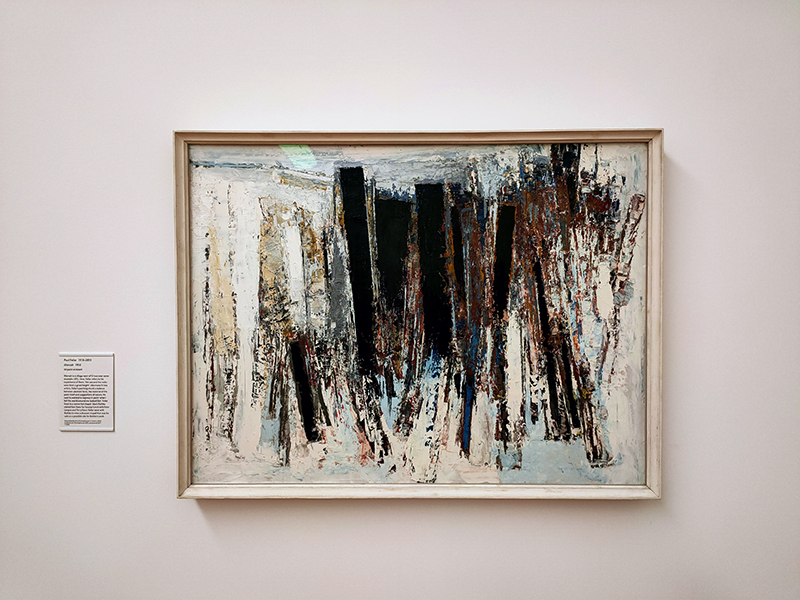
As mentioned, I had pre-booked my visit to Tate Britain in accordance with the current requirements. I had decided to forego the Aubrey Beardsley exhibition and follow the designated route devoted to British Art from 1930 onward despite the fact that there aren’t that many Britons among my favourite artists of the 20th century. The selection of highlights below therefore eschews the obvious Bacon’s and Hockney’s in favour of some lesser-known lights.

Milk and Plain Chocolate (1933) by Ben Nicholson (1894 – 1982). Nicholson’s second wife was the much more widely known sculptor, Barbara Hepworth. The Mondrian influence on his abstract work is clearly apparent here.

Morvah (1958) by Paul Feiler (1918 – 2013). German-born Feiler, he was sent to school in England in the thirties, was a member of the St Ives School of painters. Morvah is a village west of St Ives.

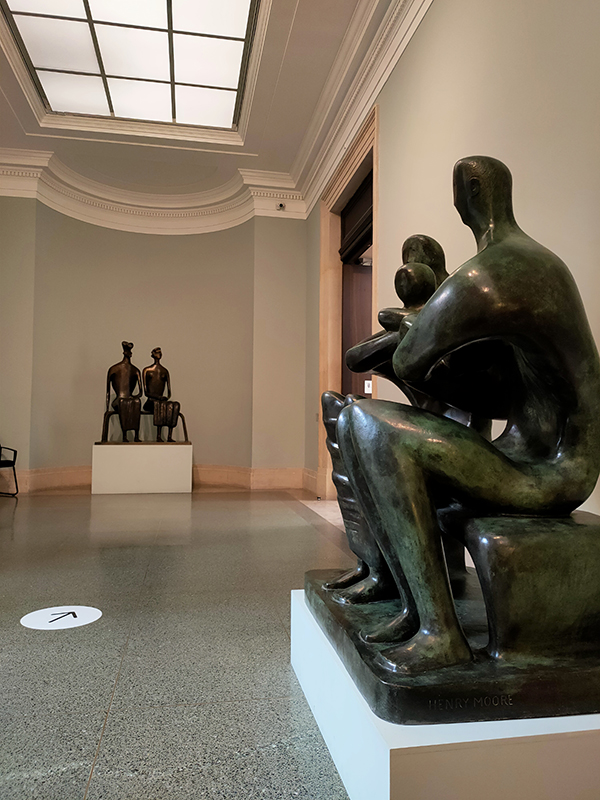
Family Group (1949) and King & Queen (1952-3) by Henry Moore. Immediately recognizable of course. Personally I much prefer Moore’s figurative work to the abstract stuff.

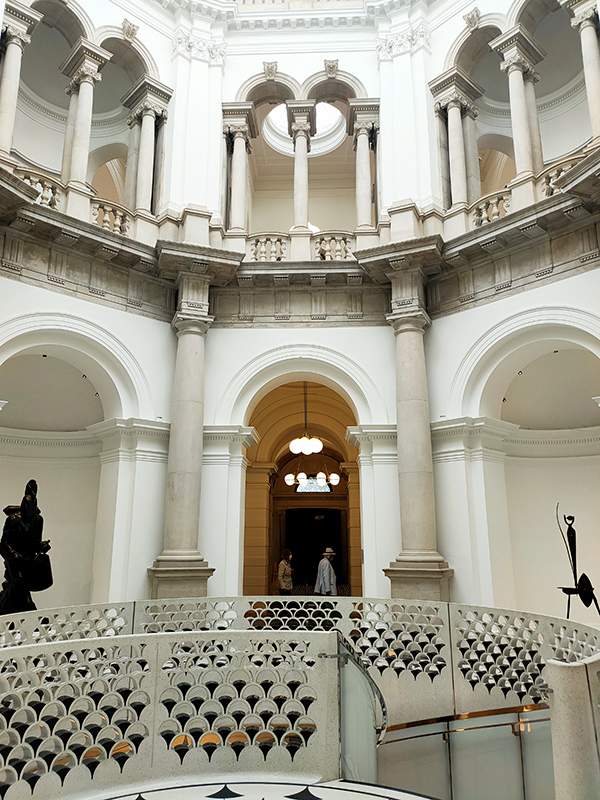
More Moores. Including the posthumous 2020 work “Masked Man” there on the right.

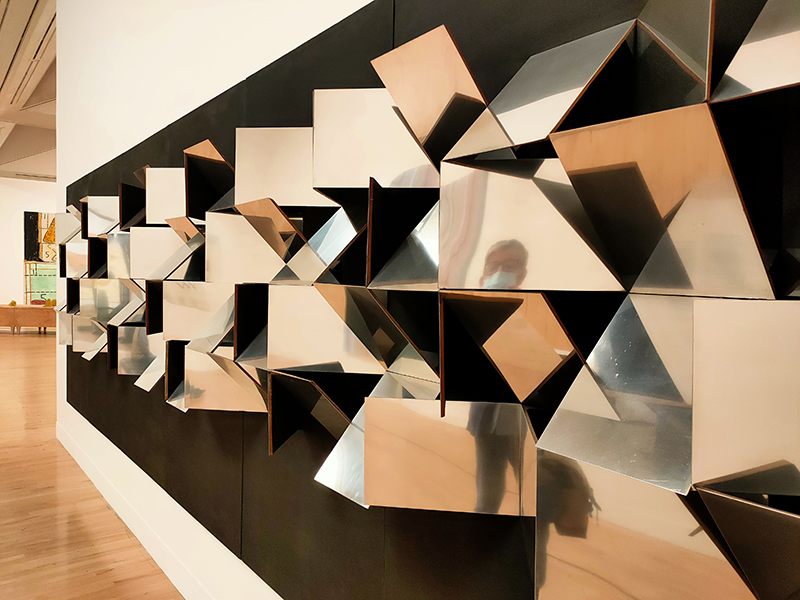
Inversions (1966) by Mary Martin (1907 – 1969). Not just picked in order to provide the reflection of the day.

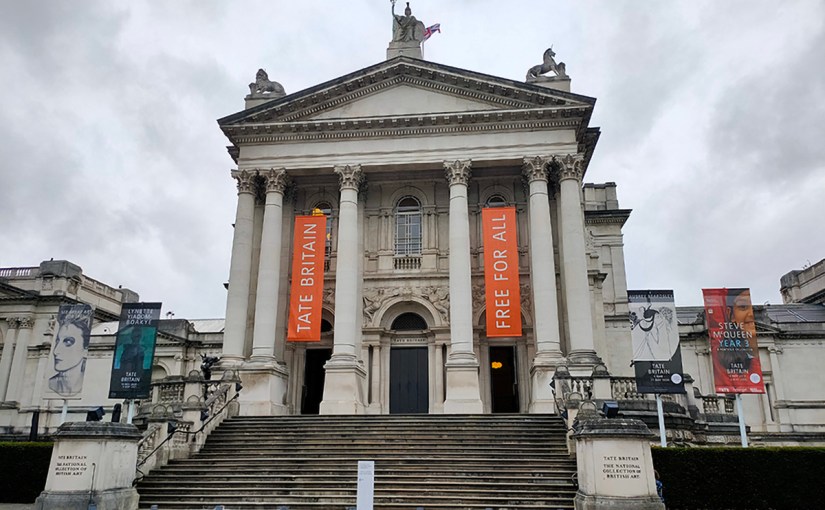
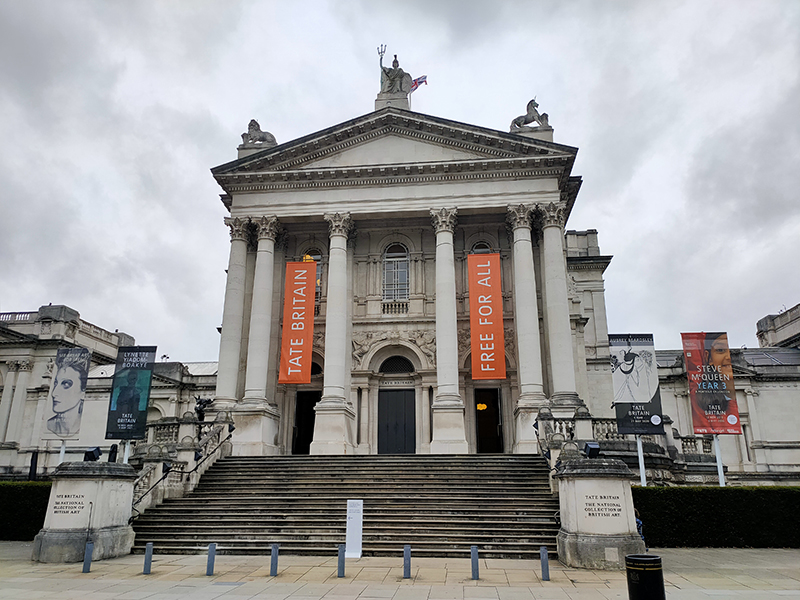
As noted above, the institution first known as the National Gallery of British Art was built on part of the site of the Millbank Penitentiary, used as the departure point for sending convicts to Australia, which was demolished in 1890.
Sidney R.J. Smith was the chosen architect and his design with its grand porticoed entranceway and central dome resembling a temple remains the core of the building today. The statue of Britannia with a lion and a unicorn on top of the pediment at the Millbank entrance bluntly emphasised its function as a gallery of British art. The gallery opened its doors to the public in 1897, displaying 245 works in eight rooms from British artists dating back to 1790.

Since its original opening, the Millbank site has had seven major building extensions, doubling in size in its first 15 years. And by 1917 it had become responsible for the national collection of British art from 1500. The Tate Gallery name was officially adopted in 1932 and in 1955 it became wholly independent from the National Gallery.  A major extension in the north-east corner, designed by Richard Llewelyn-Davies opened in 1979 and in the same year, the gallery took over the adjacent disused military hospital, enabling the building of the new Clore Gallery, designed by Sir James Stirling and funded by the Clore Foundation. That opened in 1987 and went on to win a Royal Institute of British Architects award the following year.

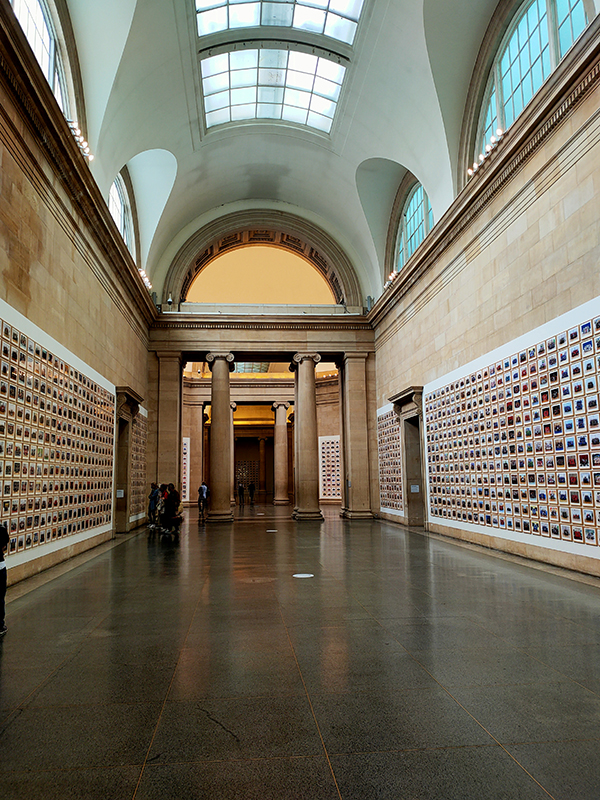
On the right above is part of Steve McQueen‘s large-scale installation, Year 3. Every Year 3 class in London was invited to have its photograph taken by a team of specially trained Tate photographers. Participants included children from state primaries, independent schools, faith schools, special schools, pupil referral units and home-educated pupils.

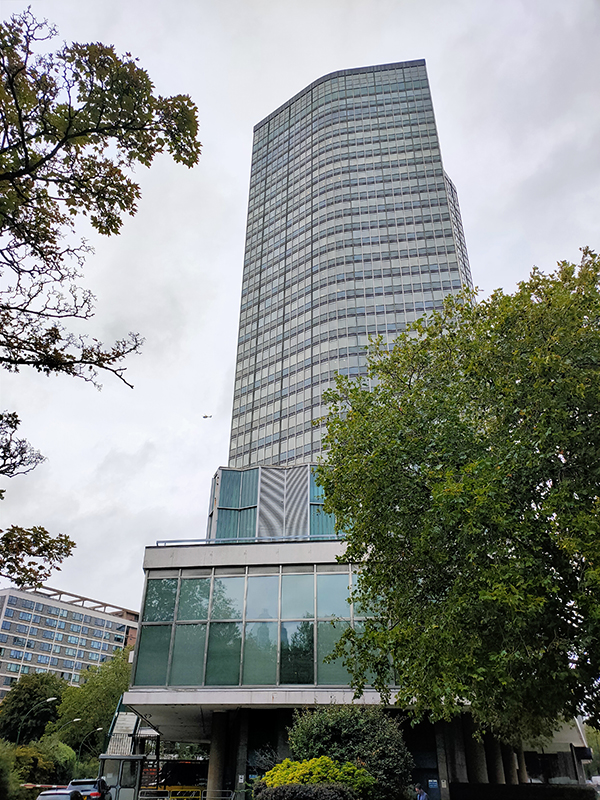
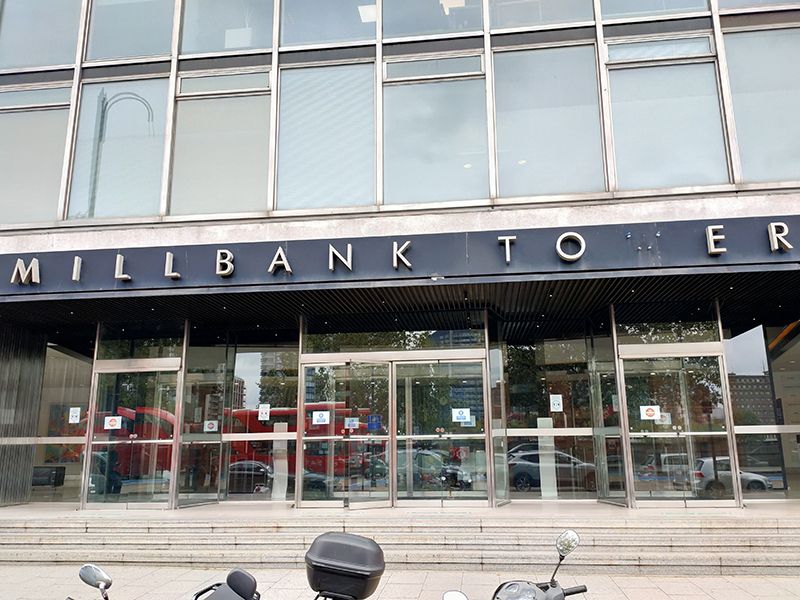
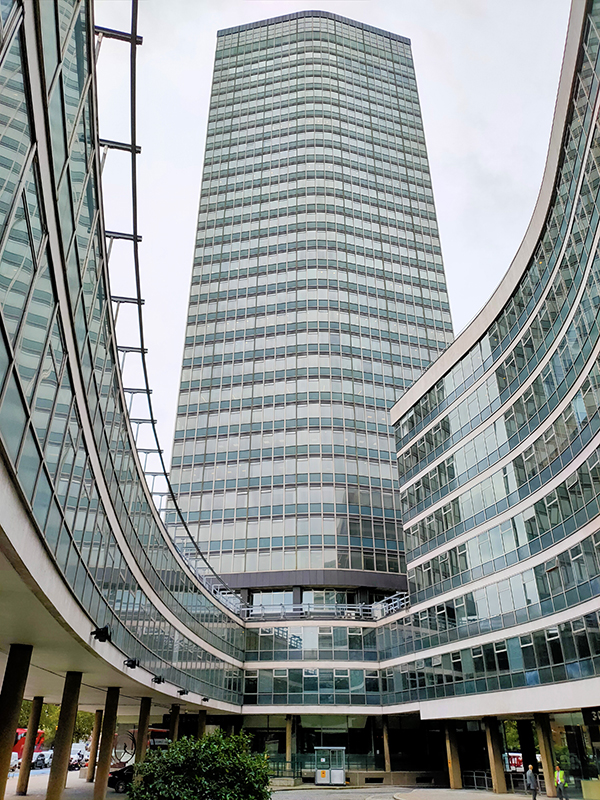
Just beyond Tate Britain, heading downstream, is the Millbank Tower, which upon its construction in 1963 as the HQ for the Vickers engineering conglomerate, after which it was originally named, was the tallest building in the UK. It retained that pre-eminence only until the Post Office Tower opened the following year. It was designed by Ronald Ward and Partners and built by John Mowlem & Co. and unlike many of the high-rise buildings of that era has not only survived but attained Grade II listed status. Throughout its history, the Millbank Tower has been home to many high-profile political and other organisations. In the nineties the word Millbank became synonymous with the Labour Party which ran its 1997 General Election campaign from offices here and after the election relocated its HQ to the tower. After five years residence however, the £1 million per annum rent forced another move. The United Nations also had offices in the tower, but moved out in June 2003. Other public bodies such as the Environment Agency and the Audit Commission have continued to occupy the building. I had a brief temporary job here in the mid-1980’s with Whitehall Securities which was the holding company of Pearson plc, then the owner of Penguin Books and the FT.  The floor they leased in the tower basically just comprised the boardroom and the directors’ offices and dining room. My job was to assist the guy who organised the rota for the pool of drivers who ferried those directors to and from their homes and around the city. Different times eh ?           

30 Millbank which is part of the same sixties complex was used as campaign headquarters by the Conservative Party between 2006 and 2014 and more recently the Leave.EU and People’s Vote campaigns have had offices in the tower. In 2016, to the surprise of precisely no-one, a successful application was made to redevelop the complex as a luxury hotel and flats. Post-Covid I can’t but think that the developers might wish to renege on that option. Oh and that sculpture in the top right photo is “Momentum III” by Michael Spiller.

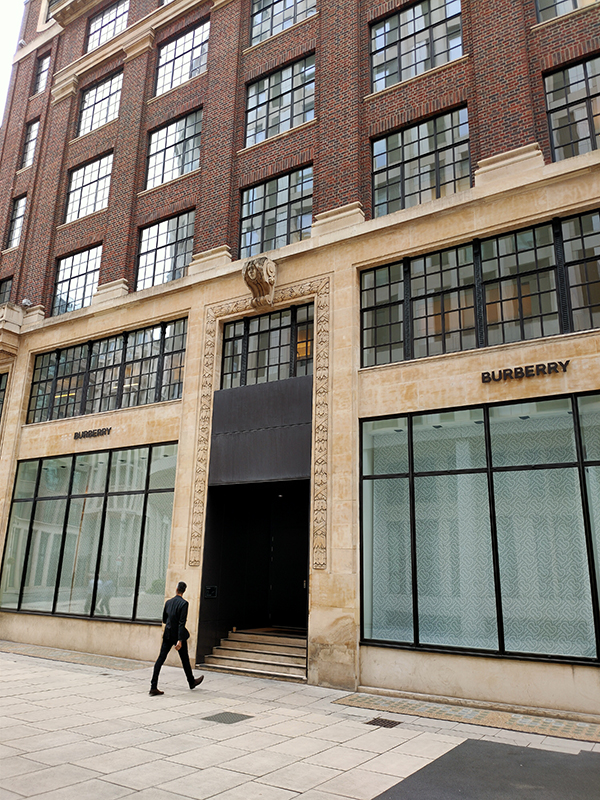
That’s enough of Millbank for now; we’ll make our escape via Thorney Street and then turn onto Page Street which takes us past the back of Burberry HQ to John Islip Street.

John Islip was Abbot of Westminster from 1500 until his death in 1532 and was buried in the chantry chapel he built at Westminster Abbey. We follow the street named after him all the way back to Vauxhall Bridge Road passing en route the rear of Tate Britain and the statue of John Everett Millais (1829 – 96). 

The statue was commissioned shortly after Millais’ death by a committee chaired by Edward, Prince of Wales and was created by Thomas Brock (1847 – 1922) who also designed the Victoria Memorial in front of Buckingham Palace. A leading light of the Pre-Raphaelite movement, Millais is today as well-known for his personal life, rescuing his wife Euphemia “Effie” Gray from her unconsummated first marriage to the critic (and Millais’ patron) John Ruskin, as he is for his art.

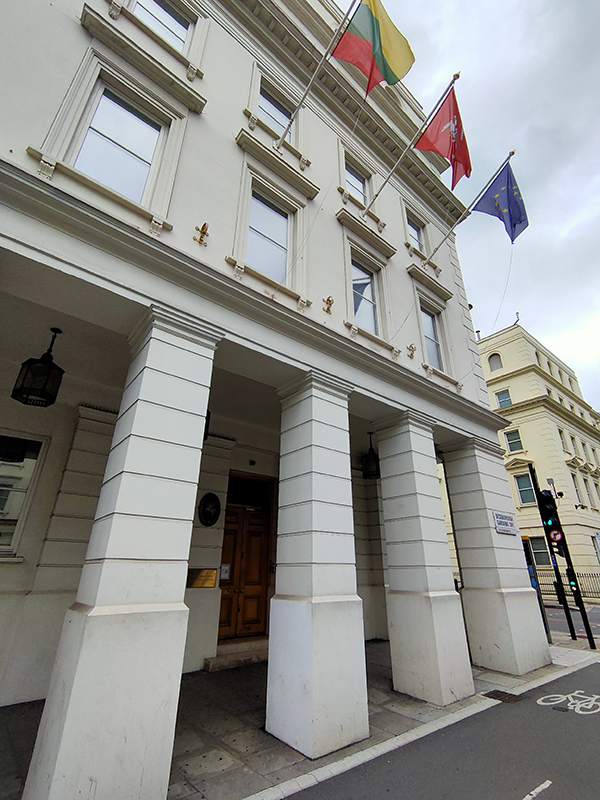
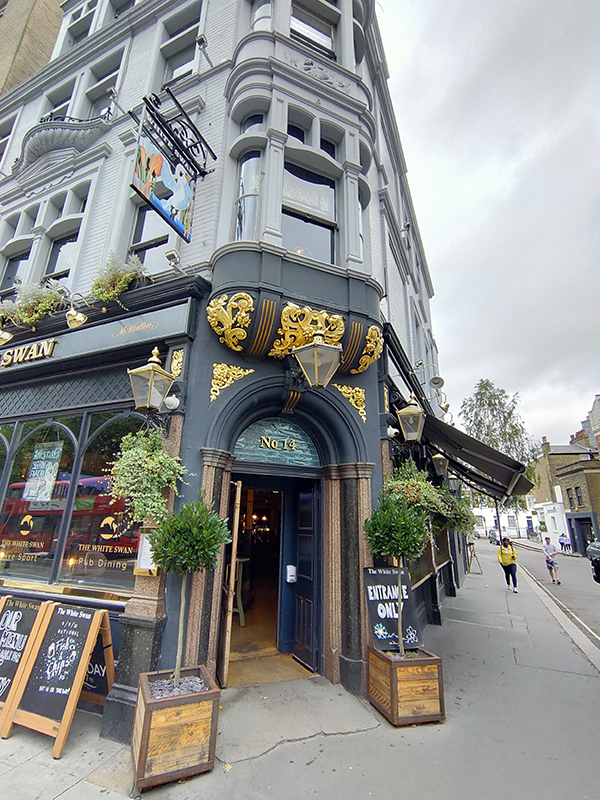
Once on Vauxhall Bridge Road (VBR) we swing right past the Embassy of Lithuania and the White Swan Pub (which I visited many times in the late Eighties) and loop round Causton Street and Ponsonby Place back to John Islip Street.

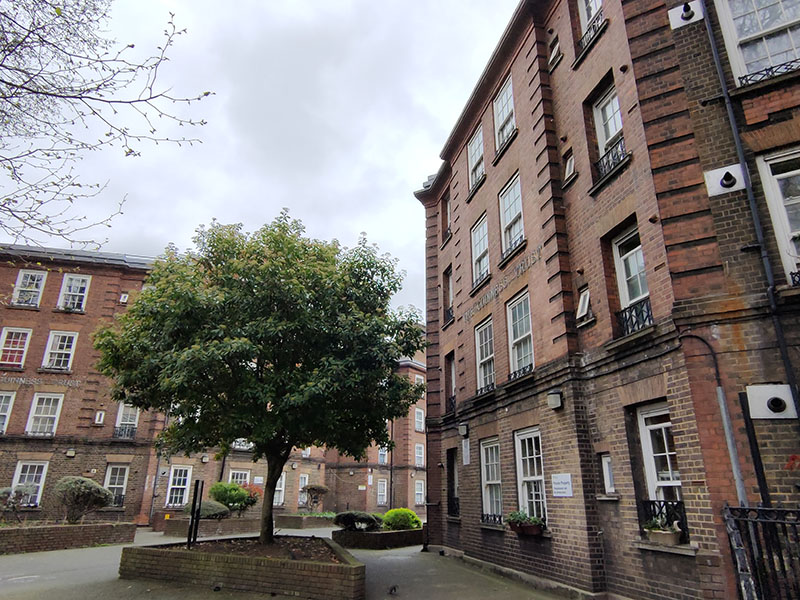
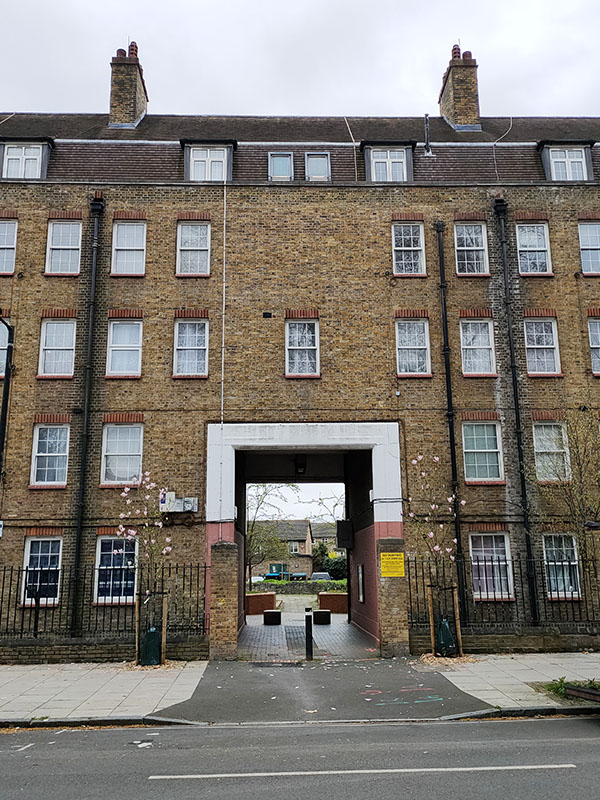
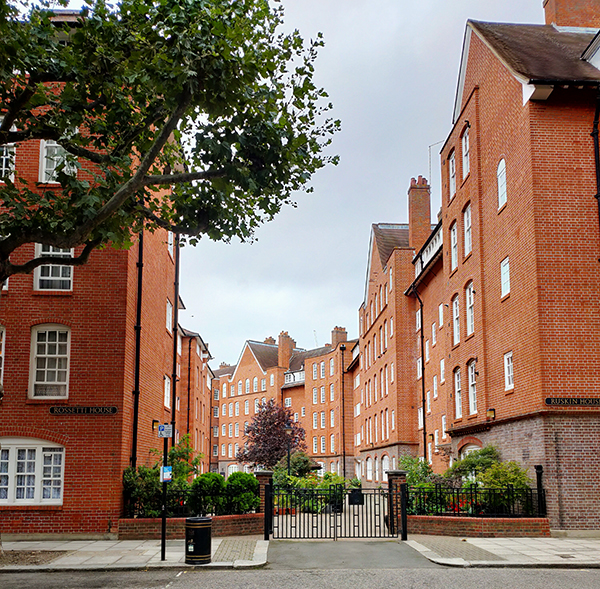
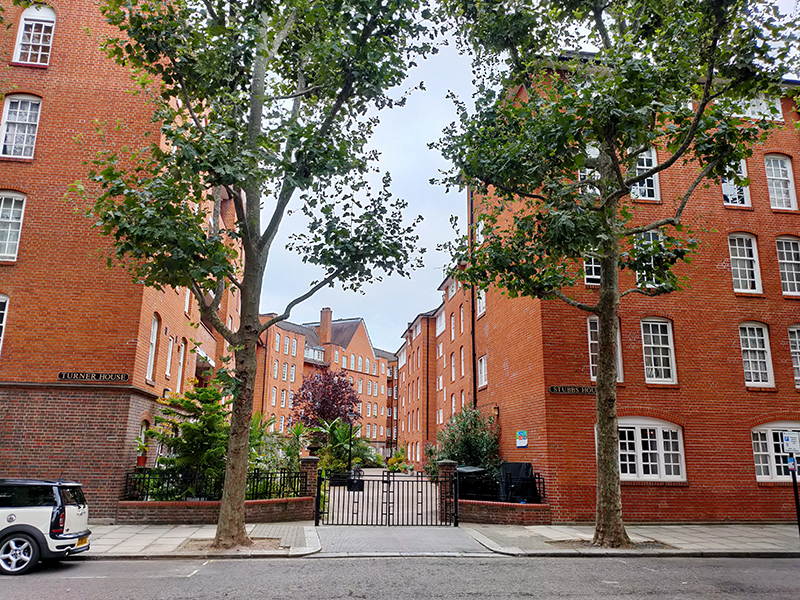
We take the first left, Cureton Street, then continue heading back north-east on Herrick Street, checking out St Oswulf Street and Bulinga Street before arriving at Marsham Street. This area between Tate Britain and Vincent Square is occupied by the Grade II listed red brick buildings of the Millbank Estate built between 1897 and 1902. The bricks were recycled from the demolished prison. The 17 buildings, comprising one of London’s earliest social housing schemes, are all named after painters; below are Rossetti and Ruskin Houses and Turner and Stubbs Houses. The estate has 562 flats and these days roughly half of them are private leases.

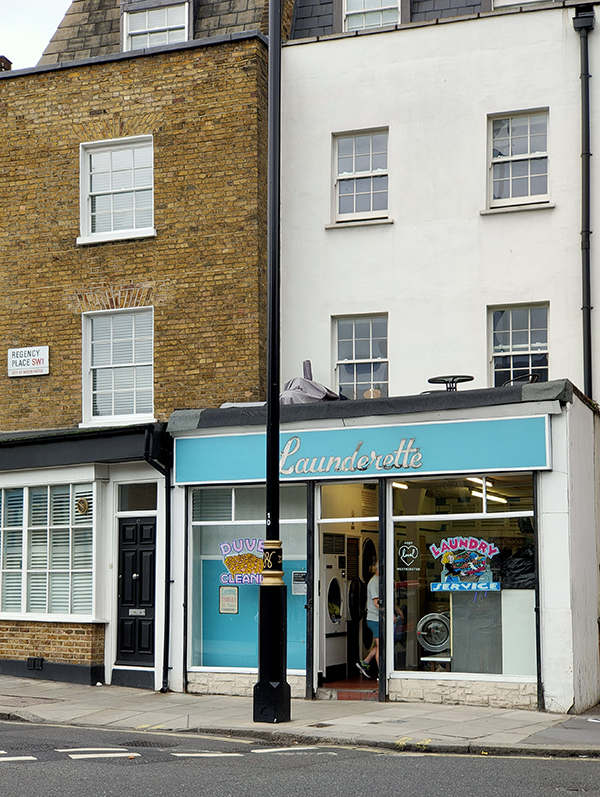
Marsham Street takes us back to John Islip Street where we continue on to another stretch of Page Street that links up with Erasmus Street which sends us back south east again. VBR is reached again via Cureton Street, Causton Street and Regency Street. At the junction of the latter two is our sole blue plaque of this outing.
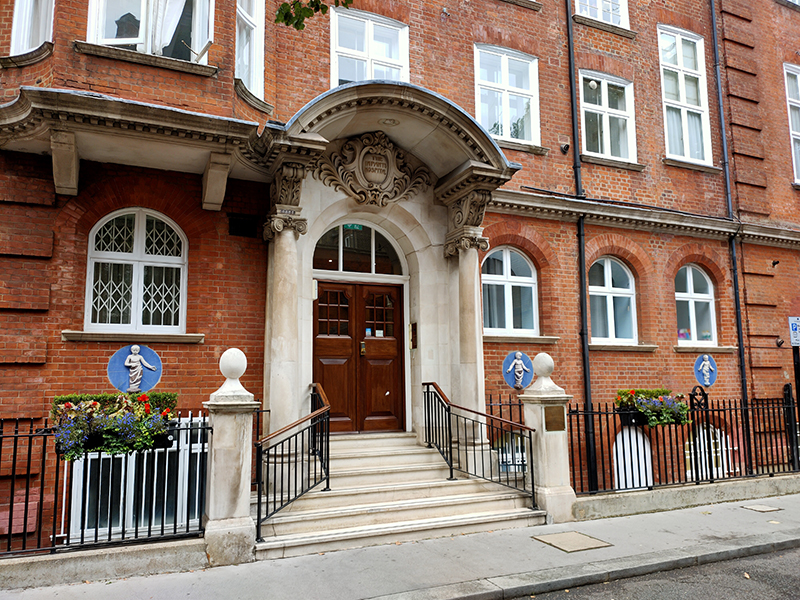
Harry Mallin (1892 -1969) was a middleweight amateur boxer and officer with the Metropolitan Police. He won gold at the 1920 Olympics in Antwerp and successfully defended the title four years later in Paris ( a feat unmatched by a British boxer until Nicola Adams came along). In 1937, he achieved the distinction of being the first British television sports commentator, when he gave commentary on two boxing matches broadcast by the BBC from Alexandra Palace.

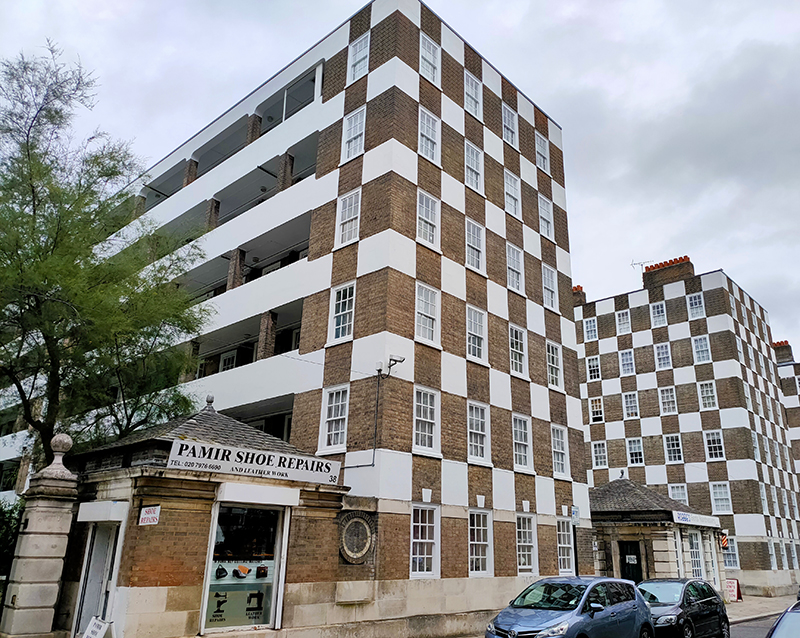
Next we work our way north from VBR courtesy of Chapter Street, Douglas Street, Esterbrooke Street and Regency Street as far as Vincent Street. In between Vincent Street and Page Street stands the similarly Grade II Listed Grosvenor Housing Estate  designed by Edwin Lutyens (1869 – 1944) and built between 1929 and 1935.  The estate comprises seven U-shaped blocks faced with grey bricks and white render in a checkerboard pattern. I think influence of that man Mondrian might be in play here as well (Mondrian was an almost exact contemporary of Lutyens – 1872-1944).

Having circumnavigated the estate via Herrick Street, Page Street and Regency Street we wend our way back to VBR by means of Hide Place, Douglas Street and Osbert Street then criss-cross between VBR and Vincent Square along Stanford Street, Bloomburg Street and Udall Street. On the corner of the latter and Vincent Square stands what was the Infants Hospital from 1907 to 1995 but is now of course luxury apartments.

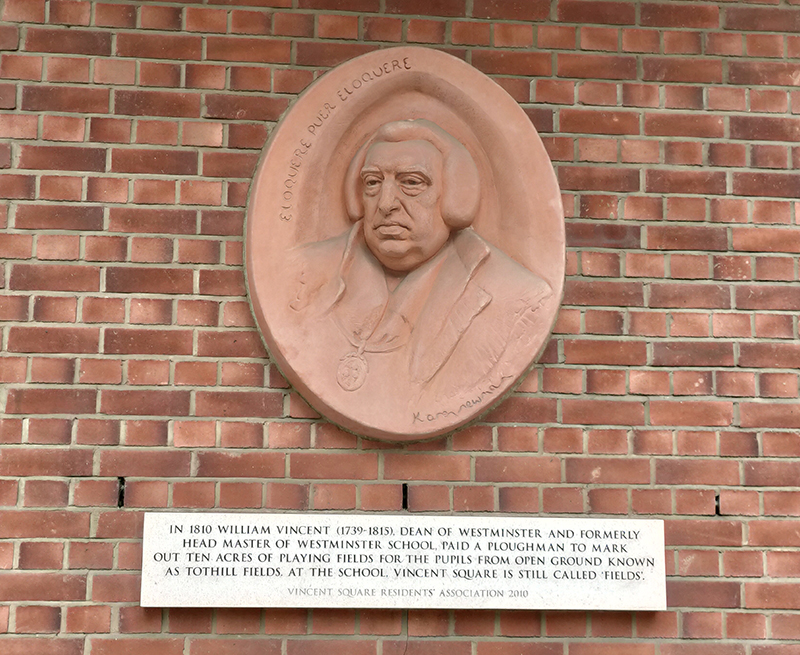
Vincent Square, all 13 acres of it, is owned and principally used as playing fields by Westminster School. The square contains a cricket pavilion, four football pitches (cricket pitches in the summer), about 10 tennis courts, and the groundsman’s house. It was developed in the 18th century on land originally known as Tothill Fields, and was named after William Vincent, a former Dean of Westminster and headmaster of Westminster School. Prior to that its uses had included acting as a burial pit for victims of the Great Plague. In the south and west corners are a couple of concrete-based basketball courts/five-a-side football pitches. The day I passed by coincided with the return to school of the majority of London pupils and so there were about seventy or so year 7s from the local comprehensive crammed into these spaces for their first games lesson. If you’re looking for a visual representation of the British class structure you couldn’t do much better than that.

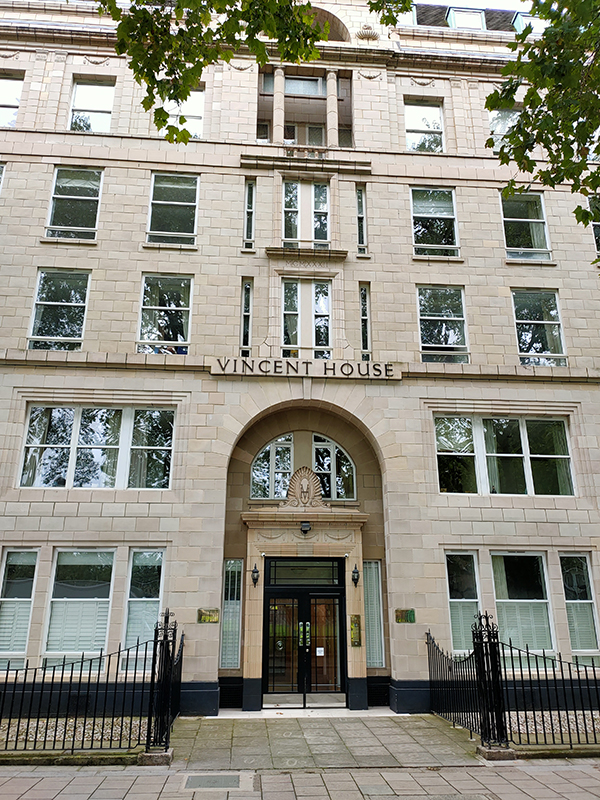
More upscale accommodation is available at Vincent House on the west side of the square. This elegant 1939 building offers serviced rooms with accompanying facilities including a bar with snooker table and piano.

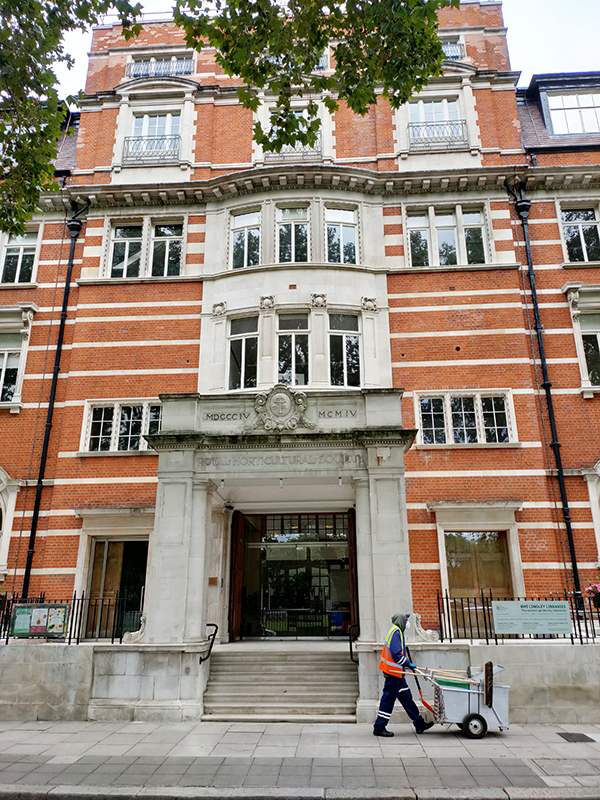
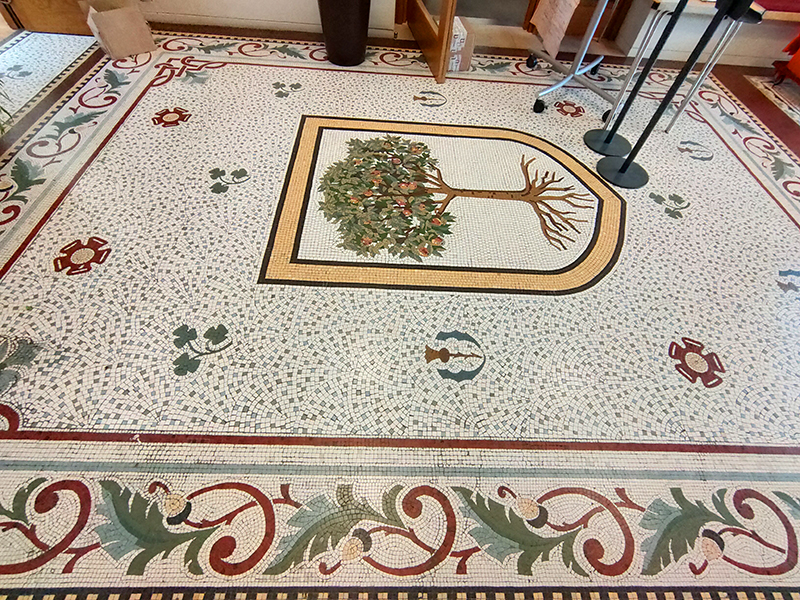
We detour off to complete a triangle of Fynes Street, Regency Street and Rutherford Street and a loop round Maunsel Street, Horseferry Road and Elverton Street before returning to the north(-ish) side of the square where we find, Lindley Hall, the HQ of the Royal Horticultural Society which also incorporates the Lindley Library which is based upon the book collection of English botanist John Lindley, comprising many rare books dating from 1514. The Hall was built in 1904 to host botanic art exhibitions held by the RHS and nowadays hosts events such as London Fashion Week as well as weddings.

We follow the west side of the square and Hatherley Street  back to VBR for a final time. At the junction of the two is a terracotta plaque to the above-mentioned William Vincent.

Rochester Row lead us back in a north-easterly direction towards Horseferry Road with diversions en route to take in Walcott Street, Vane Street, Rochester Street and Greycoat Street.

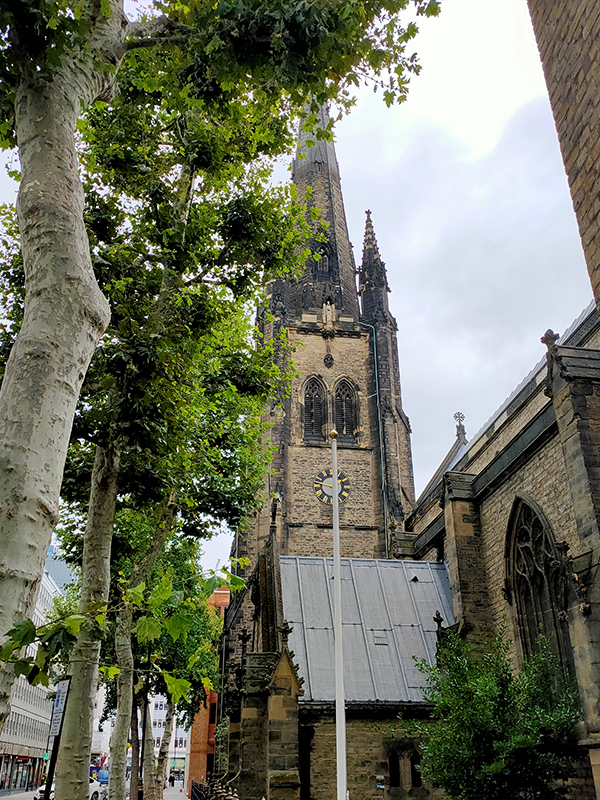
On the way we call in at St Stephen’s Church which was built by Angela Burdett-Coutts (1814-1906), grand-daughter and heiress to the banker, Thomas Coutts. She intended it as a memorial to her father, Sir Francis Burdett, a former brilliant and radical Member of Parliament for Westminster. With the encouragement of her close friend, Charles Dickens, she chose to build it in a very poor area on the edge of the notorious Devil’s Acre on land donated by the Dean and Chapter of Westminster Abbey. The chosen architect was Benjamin Ferrey, a pupil of Pugin, and the foundation stone was laid in 1847.

On the building adjacent to the church on Rochester are several signs like the one to the left. “Ancient Lights” refers to the common law right to light which means that the owner of a building with windows that have received natural daylight for 20 years or more is entitled to forbid any construction or other obstruction that would deprive him or her of that illumination. 

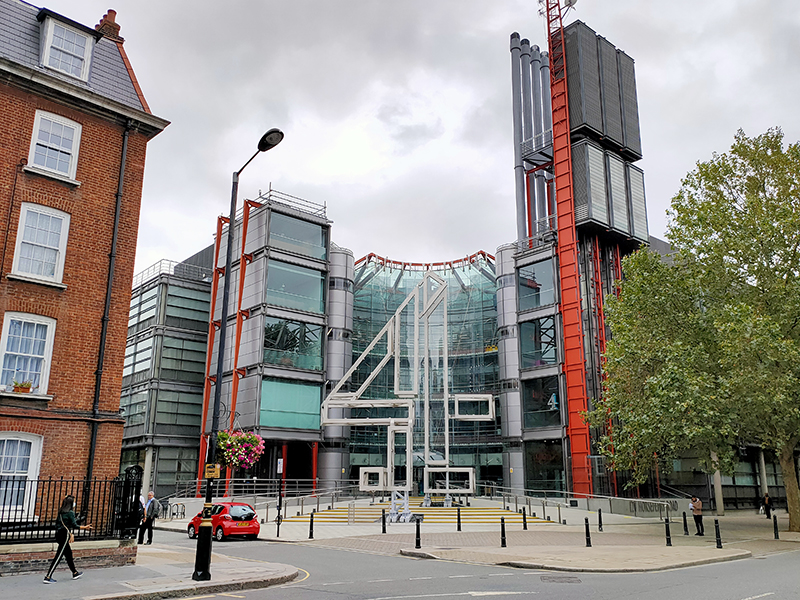
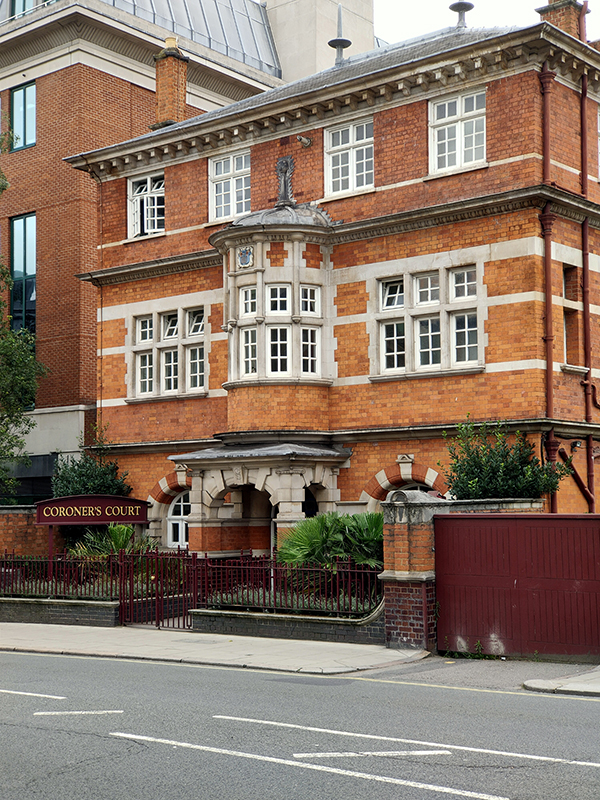
Horseferry Road takes its name from the ferry which once used to cross the span of the Thames now occupied by Lambeth Bridge. These days it’s best known for being home to the original (and now London) headquarters of Channel 4 TV. It’s also the site of Westminster Coroner’s Court and the regimental headquarters of the London Scottish Regiment (where the inquiry into the sinking of the Titanic took place). The Channel 4 building was opened on 6 July 1994 and was designed by Richard Rogers and Partners. It was the first major building they had designed since the Lloyd’s building (1978-1986).  The building, which consists of two four-storey office blocks connected to a central entrance block in an L shape, is finished in grey steel cladding, which is perforated by red-ochre steel struts. The precise colour of those struts was reputedly achieved by copying a sample of the paint used for the Golden Gate Bridge and provided by the City of San Francisco.

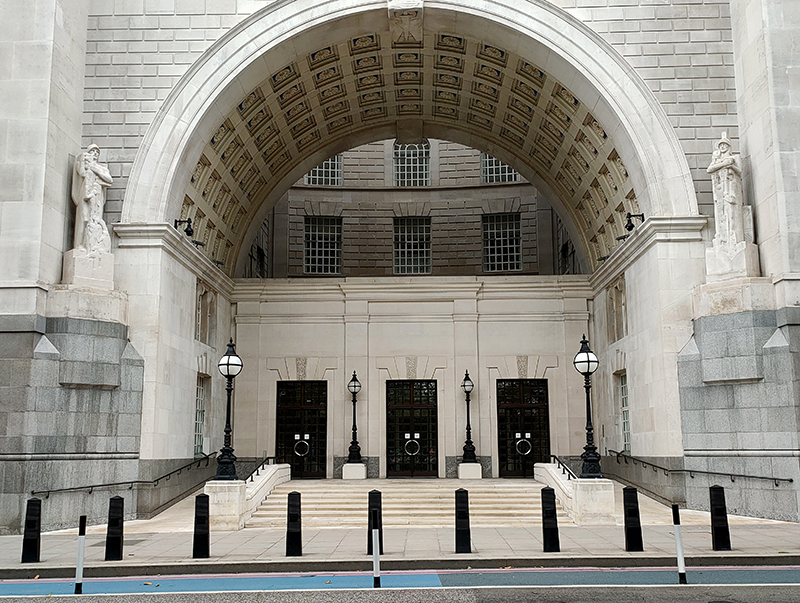
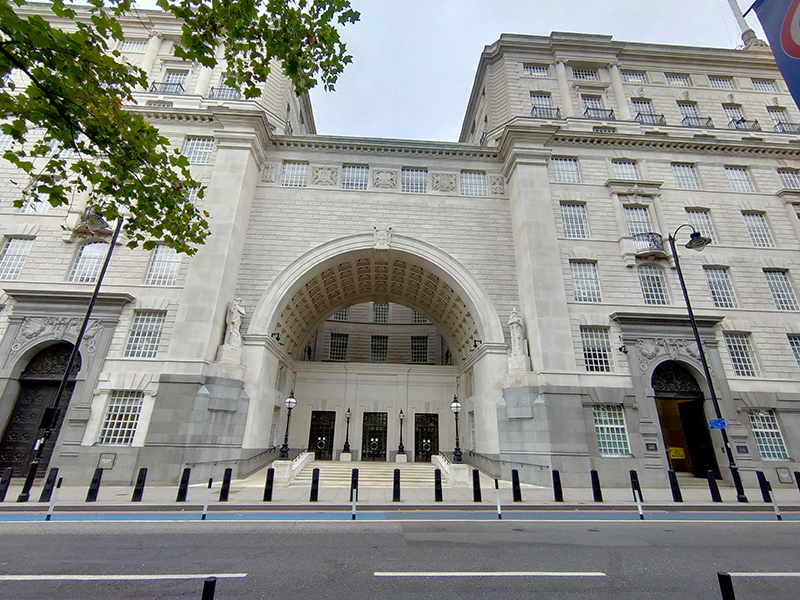
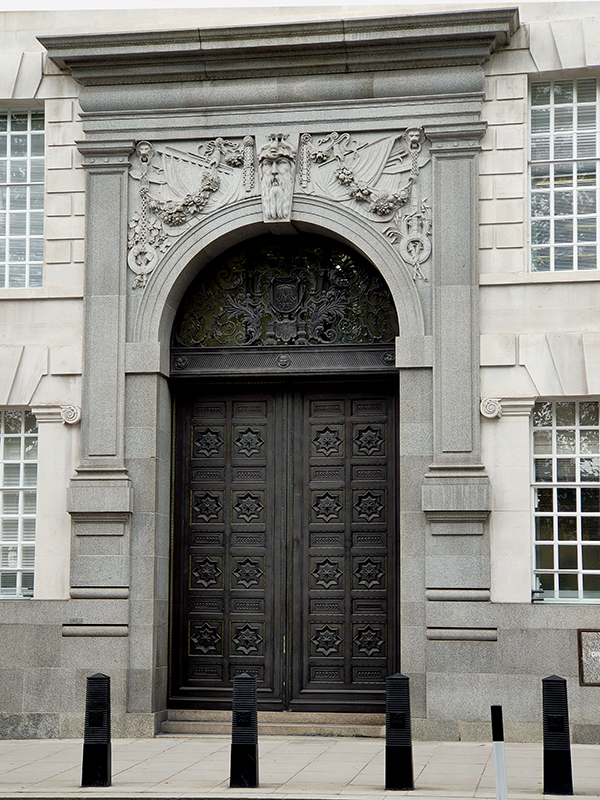
Having followed Horseferry Road down to the river all that remains is to walk back along Millbank to our starting point. One last important stop before we finish though is Thames House which occupies the block between Millbank and Thorney Street. Originally built in 1929-30 as offices for chemical giant, ICI, Thames House has since 1994 been the home of the UK Internal Security Service, more popularly known as MI5. The building was designed by Sir Frank Baines, of the Government’s Office of Works, in an ‘Imperial Neoclassical’ style.  High up on the frontage are statues of St George and Britannia sculpted by Charles Sargeant JaggerThe building has been Grade II listed since 1981. Reportedly there is an automated miniature monorail within the building which brings files up from the basement for the use of MI5 office staff.